


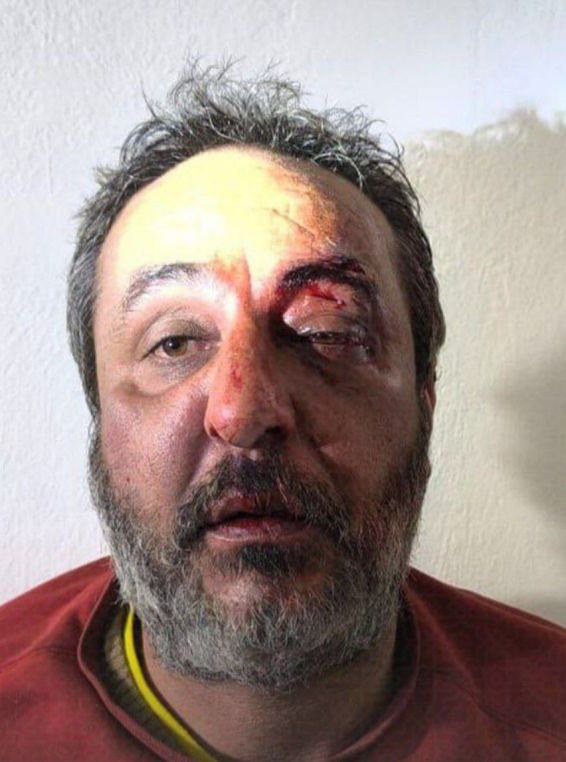
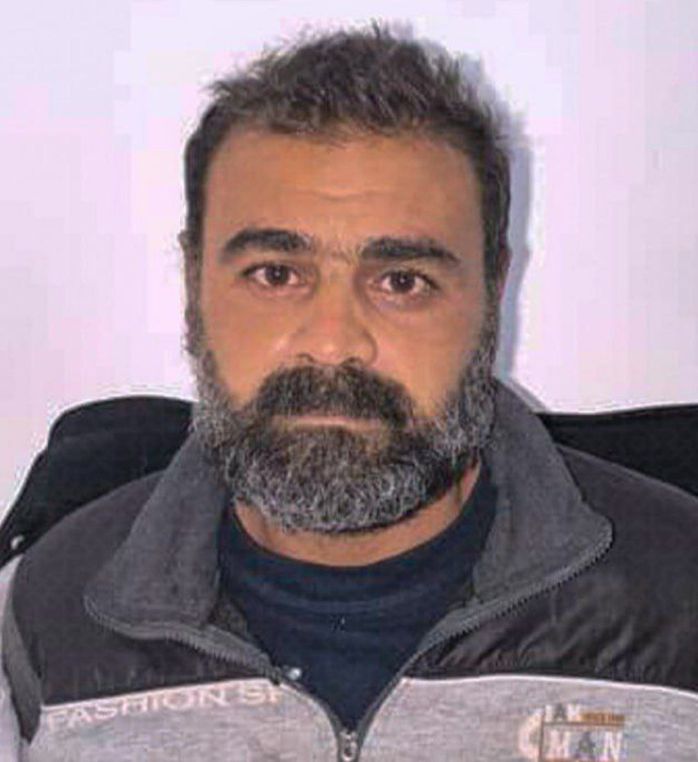
“Bassam Tawfiq” nicknamed “Abu Taha” and “Bassam Muhammad Maqsoud” from the “Liwa al-Quds” militia in Latakia
Bassam Tawfiq (Abu Taha)
Full name: Bassam Tawfiq
Nickname: Abu Taha
Role in the Liwa al-Quds
He is considered the second man in the militia, indicating a high leadership position and significant responsibilities in operations and coordination.
Arrest
He was arrested by the General Security Directorate in Latakia, which raises questions about the possible reasons, whether they are related to internal disputes, restructuring, or accusations of committing violations.
Bassam Muhammad Maqsoud
Full name: Bassam Muhammad Maqsoud
Role in the Liwa al-Quds
He is considered one of the prominent leaders in the militia, indicating his involvement in planning and field leadership.
Arrest
He was arrested with “Abu Taha”, which may indicate a campaign targeting specific leaders in the militia.
Liwa al-Quds Militia – Establishment and Formation Founded in 2013 as a Palestinian-Syrian militia loyal to the Syrian government, and includes in its ranks mainly Palestinian refugees from the Nayrab camp near Aleppo.
Role in the Syrian conflict
Actively participated in the battles of Aleppo and other areas, and received support from Russian forces, where its leaders were honored by Russian officers.
Affiliations
It is considered one of the most important militias loyal to the Syrian government, and has relations with the Syrian intelligence services.
Analysis of arrests
The arrest of prominent leaders in a militia such as the “Liwa al-Quds” may have multiple implications, including:
Internal disputes
There may be conflicts over influence or resources within the militia or between it and government agencies.
Restructuring
The Syrian government may seek to reorganize the militias loyal to it to ensure greater loyalty or effectiveness.
Accusations of committing violations
There may be accusations of committing crimes or violations that led to these arrests.
These developments are indicative of complex dynamics within pro-government militias in Syria, and may have implications for the balance of power in the region.
These arrests may indicate internal restructuring, shifts in alliances, or responses to external pressures on the militia.
International Scrutiny – Legal Actions Abroad
In a notable case, a former member of Liwa al-Quds, Mustafa A., was sentenced to 12 years in prison by The Hague District Court in the Netherlands. He was found guilty of participating in violent arrests of civilians and their subsequent handover to Syrian Air Force Intelligence, where they were subjected to torture.
The arrest of high-ranking leaders like Abu Taha and Maqsoud could have significant implications for Liwa al-Quds’ operational capabilities and its role within the broader context of the Syrian conflict. It may also reflect broader efforts by Syrian authorities to assert control over paramilitary groups or address internal challenges within these organizations.
Liwa al-Quds has played a substantial role in the Syrian conflict as a pro-government militia with a predominantly Palestinian composition. The recent arrests of its senior leaders highlight potential internal dynamics and external pressures that could influence the group’s future activities and its position within Syria’s military landscape.


You must be logged in to post a comment.