


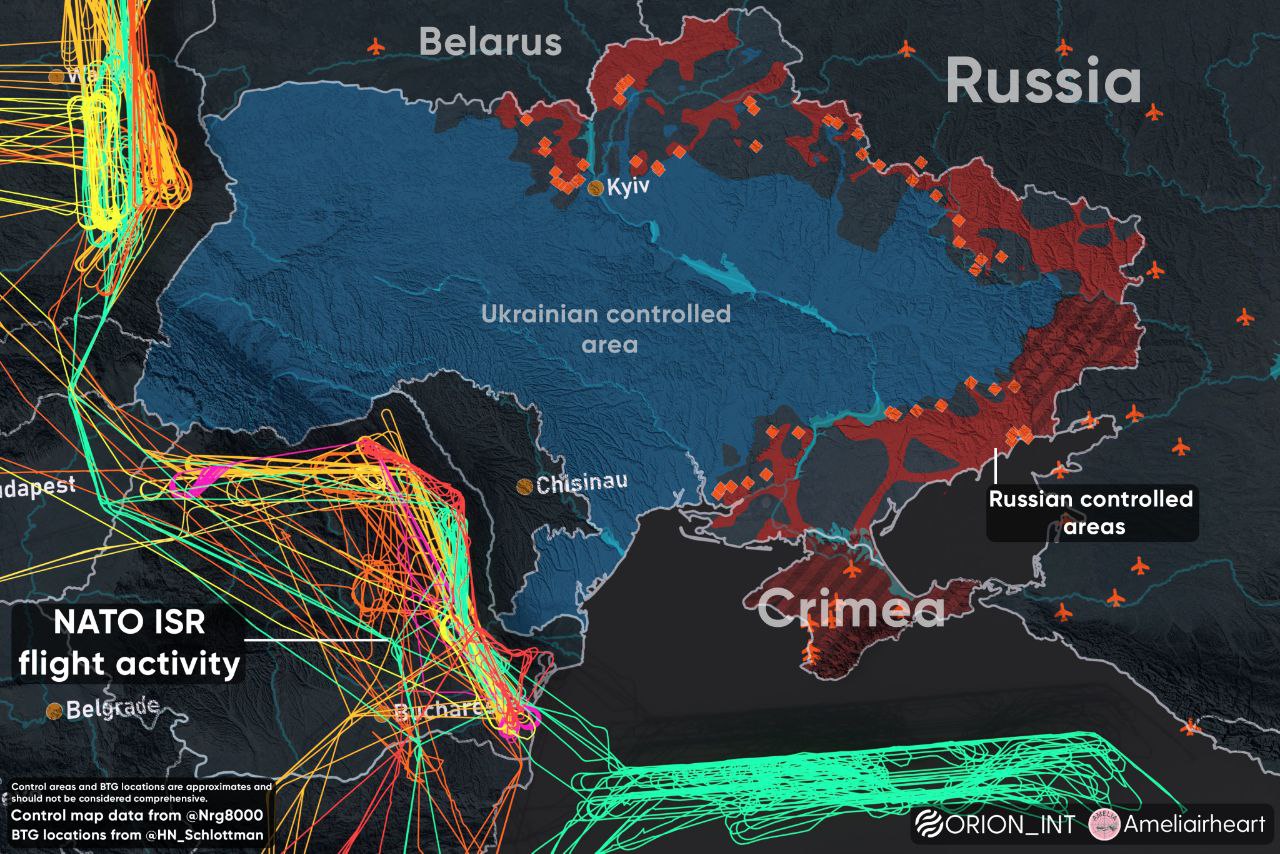
Private Andriy crouched in the forward trench outside Yampil. Explosions ripped through farmland, the earth buckling beneath his boots. Smoke rose from a collapsed farmhouse. Over the radio came grim news: Moscow had launched forty-one assaults along the Pokrovsk front that day. Far away, in Brussels and Berlin, officials drafted statements of “deep concern.” The distance between battlefield reality and diplomatic hesitation could not feel greater.
Russian verbs define the war—attack, destroy, seize, kill. European verbs define the response—consider, discuss, evaluate, postpone. For soldiers like Andriy, survival depends on the difference.
The Anatomy of Betrayal
The word betrayal surfaces often in Ukrainian discourse, and for clear reasons. During the opening months of the full-scale invasion, volunteers queued outside draft offices without proper armor or weapons. Promises of equipment lagged behind battlefield needs. Many never lived to see those deliveries.
At the same time, Europe’s energy contracts continued to funnel money to the Kremlin. Gas and oil revenues funded Russia’s military machine while civilians in Ukraine sheltered from bombs. Sanctions eventually followed, but they often arrived diluted by exceptions for member states unwilling to sacrifice economic stability.
The combination of delay, compromise, and continued trade created a perception that European comfort outweighed Ukrainian survival. Each missed deadline and cautious communiqué hardened into the sense that promises of solidarity concealed a preference for self-preservation.
The Authoritarian Surge
The war must be understood as part of a wider contest. Russia and China embody systems that reward decisiveness and discipline. Moscow launches offensives, suppresses dissent, and reallocates resources without negotiation. Beijing studies the battlefield, investing in tools of surveillance, cyber warfare, and coercive economic practices. Together they represent a model of authoritarian consolidation in which speed and unity eclipse democratic caution.
Europe, in contrast, suffers from structural inertia. Political systems built on compromise and negotiation translate into sluggish reactions. The very qualities that sustain democratic pluralism under normal conditions become liabilities when rapid collective action is required. For adversaries, that hesitation is not a side effect but a vulnerability to exploit.
From an intelligence perspective, this asymmetry of tempo carries strategic consequences. Russia benefits from what analysts call the “first mover advantage”: striking while Europe deliberates. By the time consensus emerges, conditions on the ground have shifted, and options narrow.
Denial and the Myth of Rescue
Psychological denial compounds structural weakness. Many European citizens and leaders cling to the fantasy of an external savior. Often that fantasy centers on Washington, where political shifts are expected to reset the balance of power. Such dependency signals an unwillingness to assume full responsibility for continental security.
President Zelensky has repeatedly pressed European leaders to abandon illusions. “If Europe cannot shut the sky now, tell me when you will do it? How many people must die?” he asked earlier in the conflict. The sentiment remains urgent. Waiting for an American or NATO intervention substitutes hope for strategy. The metaphor, invoked by Ukrainian commentators, of dead parents underscores the point: no guardian remains. Europe must act as an adult.
Predators and Prey
Russia and China treat the conflict as existential. Moscow presents it as a war for survival against Western encirclement. Beijing views it as a test of whether the democratic order can enforce its own rules. For both regimes, hesitation is weakness, and weakness invites aggression.
The imagery of predators and prey captures this logic. Predators act with clarity because they view hesitation as fatal. Prey often perishes not from physical weakness alone but from failure to recognize the nature of the threat. Europe’s incremental debates about sanction frameworks or aid packages illustrate precisely the kind of paralysis that emboldens predators.
History confirms the danger. Victors craft narratives, define morality, and impose their order. Losers fade, remembered as hesitant or naïve. If Europe continues to deliberate while authoritarian powers act, its future risks being written by others.
Fact, Rhetoric, and Strategic Warning
The rhetoric of betrayal and occupation contains exaggeration, but exaggeration does not erase underlying truths. Russian assaults and sabotage of infrastructure are documented realities. Europe’s energy dependence remains a structural vulnerability. Weapons deliveries have consistently lagged behind Ukrainian requests.
Predictions of European occupation in a decade remain speculative, yet they express genuine anxieties about the long-term trajectory of power. In intelligence terms, such warnings function as “indicators and warnings” rather than precise forecasts. They push policymakers to consider worst-case scenarios before those scenarios harden into inevitability.
The Shrinking Window
Ukraine continues to fight with determination. Soldiers like Andriy bleed for every kilometer. Their resilience buys Europe time, but time is a wasting asset. Each day of delay strengthens Moscow’s capacity and erodes Kyiv’s defenses. Each shipment that arrives late changes the tactical picture in Russia’s favor.
Europe faces a narrowing window to define its role. Matching Ukrainian courage with decisive support would reaffirm democratic strength. Continuing with hesitation risks ceding not only territory but the very legitimacy of Europe’s democratic project.
The continent’s future will not be secured in conference halls but in trenches like Andriy’s, where every delay is measured in blood. History will record not the words spoken in Brussels but the choices made—or avoided—when the cost of hesitation became undeniable.
References
Applebaum, A. (2020). Twilight of democracy: The seductive lure of authoritarianism. Doubleday.
Gressel, G. (2022). If Ukraine falls: The geopolitical consequences for Europe. European Council on Foreign Relations.
Reuters. (2025, September 10). Ukraine’s Zelenskiy: We have to create an effective air shield over Europe. Reuters.
Snyder, T. (2018). The road to unfreedom: Russia, Europe, America. Tim Duggan Books.
The Independent. (2025, September 15). Poland asks NATO to impose no-fly zone over Ukraine. The Independent.
AP News. (2025). EU chief says it is time for Europe’s “independence moment” faced with war and major power tensions. AP News.

We See What Others Cannot
