


A service Russian actors use to bypass Starlink’s weak controls and acquire operational satellite internet kits with limited risk of detection. The method relies not on hacking Starlink itself, but on exploiting the lack of robust identity verification and geographic enforcement mechanisms within the Starlink activation and user management processes. The process demonstrates how commercial services—engineered for ease of use and scale—present persistent security and geopolitical vulnerabilities when deployed across conflict zones or near-sanctioned environments.
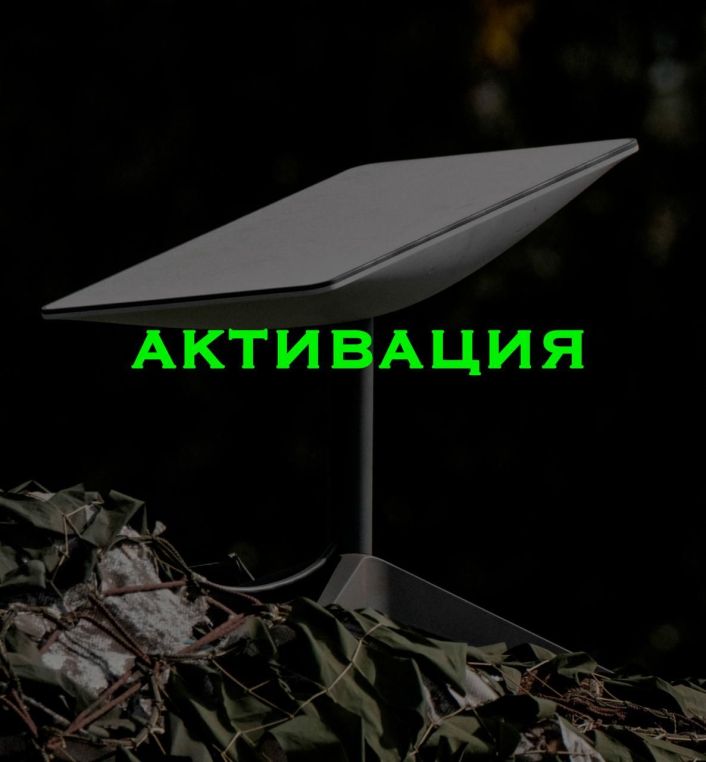
The bypass strategy hinges on layered obfuscation involving artificial separation of identity vectors. Activation and account integrity are constructed using:
- A dedicated European payment card used exclusively for a single Starlink account. This removes financial fingerprinting across accounts and prevents cross-flagging of transaction patterns.
- A unique European IP address—likely tied to VPN or proxy infrastructure—enforcing geographic consistency across all account interactions.
- A single, consistent device—often a hardened or virtualized machine—to eliminate device fingerprint collisions that Starlink could track for behavioral anomalies.
- A secure foreign email address—rarely used due to its complexity—which implies reliance on hard-to-trace encrypted mail services or dark web-based email systems.
- A unique overseas phone number tied exclusively to the Starlink account, potentially acquired via eSIMs or international VoIP providers in low-regulation jurisdictions.
- Country-specific knowledge to activate in jurisdictions with minimal export enforcement, low cooperation with U.S. sanctions regimes, or poor record-keeping practices.
The layered use of unique, compartmentalized identifiers per device enforces a synthetic but legitimate-seeming operational profile that Starlink’s backend systems—designed for commercial throughput and not hardened intelligence scrutiny—rarely challenge effectively. The actors acknowledge the potential for blocking but mitigate that risk by isolating every activation into a compartment, avoiding linkability between accounts or repeated patterns that would alert internal trust and safety teams.
This method reflects a broader trend in how Russian paramilitary, military, and criminal actors evade Western technology controls. The sophistication lies not in technological hacking, but in exploiting service-level vulnerabilities embedded in Western commercial practices. It reflects similar Russian approaches to sanctions evasion in finance, dual-use technology acquisition, and proxy procurement networks across Turkey, UAE, Central Asia, and post-Soviet territories.
In practice, Starlink kits acquired and activated this way have been deployed across occupied territories, including in frontline EW and FPV drone support operations, without SpaceX being able to reliably track or geo-fence their use. The company’s lack of hardwired hardware-based location enforcement, weak KYC (Know Your Customer) on kit sales, and no proactive shutdown policies outside of public pressure have created operational freedom for adversarial actors. As a result, Starlink has become a persistent force multiplier in conflicts where asymmetric communications are decisive.
This activation process further reveals how decentralized and modular procurement networks have adapted to avoid traditional interdiction strategies. The structure resists attribution, diffuses culpability across jurisdictions, and ensures a constant flow of functionality into sanctioned or embargoed zones.


You must be logged in to post a comment.