




Sarin, Chlorine, Novichok
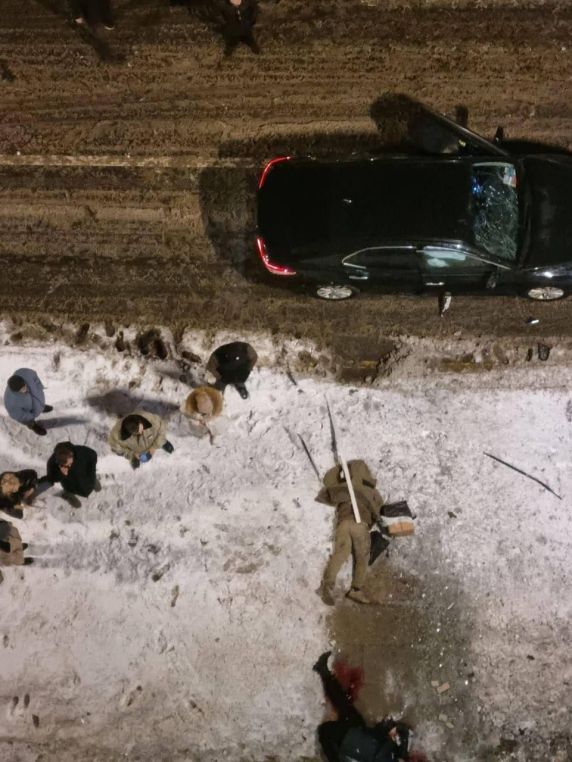
Russia’s Federal Security Service (FSB) has announced the arrest of an Uzbek citizen identified as the perpetrator of the assassination of Lieutenant General Igor Kirillov, the head of the Russian army’s Nuclear, Biological, and Chemical Defense Forces, and his assistant. The attack, which has been described by Russian authorities as a high-profile targeted operation, took place on Ryazansky Street in Moscow. According to the FSB, the suspect, whose identity remains undisclosed, was allegedly recruited by Ukrainian intelligence services and tasked with carrying out the bombing in exchange for $100,000 and promises of a European passport.
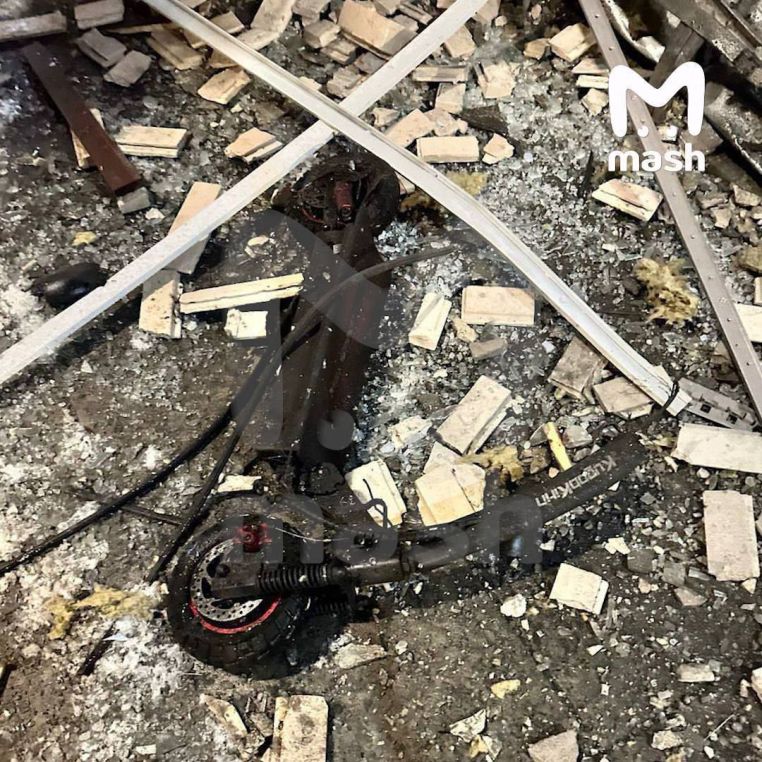
The Russian Security Service has released video footage of the suspect’s confession, where he detailed the preparation and execution of the attack. In the video, the suspect states that he entered Moscow months prior to the bombing under the pretense of civilian travel. He claims to have purchased a scooter and used it as a decoy vehicle for planting an explosive device. The materials for the bomb were delivered to him later, after which he assembled and strategically placed the device near General Kirillov’s residence. On the morning of the attack, the suspect reportedly detonated the explosive remotely as the general exited his building.
This assassination, which resulted in the deaths of General Kirillov and his assistant, marks a significant escalation in what Moscow has framed as a covert war involving Ukrainian intelligence and allied operatives targeting high-ranking Russian officials. General Kirillov’s position as commander of Russia’s chemical, biological, and radiological defense units made him a key figure within Russia’s strategic military hierarchy. His death could disrupt critical defense operations and coordination within the armed forces, particularly those related to countering biological and chemical threats, areas that have been under heightened scrutiny in the context of ongoing geopolitical tensions.
The explosive device, reportedly concealed in a parked scooter, highlights the evolving tactics of urban terrorism and targeted assassinations in the heart of Moscow. Security analysts note the sophistication of the operation, which required not only extensive surveillance of the victim but also access to high-grade explosive materials and precise timing. This suggests the involvement of external intelligence resources, aligning with the FSB’s claims of Ukrainian special services orchestrating the attack. However, independent verification of these allegations remains pending, and they are likely to spark intense international scrutiny and debate.
Why was Kirilov Targeted
Lieutenant General Igor Kirillov was accused of being involved in war crimes. His role as the head of the Nuclear, Biological, and Chemical Defense Forces of the Russian Armed Forces placed him at the center of several controversies and accusations, particularly related to Russia’s actions in Ukraine and Syria. Here is an in-depth exploration of the allegations against him:
Accusations of War Crimes
Kirillov’s position entailed overseeing operations involving chemical, biological, and radiological (CBR) defense and, by extension, the use and potential development of these capabilities. His alleged war crimes stem from accusations that Russia employed banned weapons and tactics in various conflict zones.
1. Syria (2015-2020)
Under Kirillov’s command structure, Russia was accused of complicity in chemical weapons attacks carried out by the Assad regime, a key ally in Syria. Notably, Russia provided operational support, intelligence, and equipment to the Syrian military during its campaign to suppress rebel groups.
The 2017 Khan Shaykhun sarin gas attack and the 2018 Douma chemical attack are frequently cited incidents in which Russian forces were accused of enabling or covering up chemical weapon usage. The OPCW (Organization for the Prohibition of Chemical Weapons) and several Western governments implicated Russia for obstructing investigations and shielding the Assad regime from accountability.
As the head of chemical defense forces, Kirillov was believed to have coordinated efforts to deny international allegations and provide logistical or advisory support for chemical operations.
2. Ukraine (2022-Present)
During Russia’s invasion of Ukraine, allegations of chemical weapon threats and false flag operations emerged. Ukrainian officials and Western intelligence repeatedly warned that Russia might deploy chemical agents or stage incidents to blame Ukraine. Kirillov’s unit was central to these fears due to its expertise in chemical and biological operations.
In April 2022, Ukrainian forces reported a suspected chemical attack in Mariupol, which caused respiratory and neurological symptoms among civilians and soldiers. While the incident was not conclusively verified, it reinforced concerns about Russia’s potential use of such weapons, with Kirillov named as a key figure in any such operations.
Kirillov himself made public statements accusing Ukraine and the U.S. of running “bioweapon labs” on Ukrainian soil, a claim widely dismissed as disinformation but viewed as a potential pretext for Russian use of chemical or biological agents.
3. Cover-Up and Disinformation Campaigns
Kirillov played a prominent role in Russian propaganda campaigns surrounding chemical and biological weapons. He was frequently seen in state media press conferences accusing Ukraine and the West of conducting illegal bioweapons research, a narrative seen as a smokescreen for Russian activities.
In several reports, he was accused of coordinating efforts to destroy evidence of Russian involvement in chemical weapons usage, particularly in Syria, by deploying mobile laboratories and delaying international inspections.
Legal and International Repercussions
Kirillov’s alleged involvement in war crimes made him a target of investigations by international bodies, including the International Criminal Court (ICC) and UN-backed inquiries. While Russia is not a signatory to the ICC, documents submitted by various human rights organizations named Kirillov in connection with chemical weapon use and other violations of international law.
Western governments, particularly the United States, sanctioned Kirillov and other senior Russian officials for their roles in atrocities in Syria and Ukraine. These sanctions cited violations of the Chemical Weapons Convention (CWC) and participation in acts that caused civilian harm.
Methods and Evidence:
1. Weapons Used
Sarin Gas employed in attacks like the Khan Shaykhun incident, causing mass casualties through suffocation and nerve damage.
Chlorine Gas used in the Douma attack, it caused respiratory failure and death, especially in enclosed spaces.
Incendiary Devices Russian forces in Syria and Ukraine were accused of using thermite and phosphorus munitions, banned in civilian areas under international law.
Novichok: While not used in warfare, Russia’s use of this nerve agent in assassination attempts (e.g., the poisoning of Sergei Skripal) highlighted the military’s chemical capabilities under Kirillov’s oversight.
2. Tactics and Operations
Deployment of chemical munitions in civilian areas, violating international humanitarian law.
Use of unmanned aerial vehicles (UAVs) to disperse chemical agents, a method reportedly tested in Syria and speculated about in Ukraine.
Obfuscation campaigns aimed at delaying or sabotaging international investigations by restricting access to suspected sites or tampering with evidence.
Timing and Context
Kirillov’s war crimes span his tenure as the head of the Nuclear, Biological, and Chemical Defense Forces, a position he held since at least 2017. The accusations peaked during:
The Syrian Civil War (2015-2018), when Russia actively intervened to support Assad.
The Ukraine Invasion (2022-Present), where fears of chemical weapon use resurfaced alongside false narratives about Ukrainian bioweapons.
Kirillov’s assassination, therefore, removes a figure deeply tied to controversial and allegedly criminal activities. For many, his death will be viewed as retribution or elimination, depending on the narrative. However, the timing also raises questions about internal vulnerabilities and whether his assassination was designed to expose Russia’s own reliance on such tactics or deter further use of chemical and biological weapons in ongoing conflicts.
In a swift diplomatic response, the Russian Foreign Ministry announced its intention to escalate the matter to the United Nations Security Council (UNSC). The ministry has characterized the attack as a state-sponsored act of terrorism, implicating Ukrainian authorities directly. By bringing the issue to the UNSC, Russia aims to internationalize the incident, framing it as part of a broader campaign of subversion and terrorism allegedly conducted by Kyiv with possible Western backing. Analysts believe this move could also serve to deflect attention from domestic criticisms of Russia’s internal security lapses, as the bombing occurred in one of the most secure cities in the country.
The timing of this assassination coincides with heightened tensions between Russia and Ukraine, as well as increasing instances of targeted strikes and sabotage within Russian borders. This includes attacks on critical infrastructure, high-profile assassinations, and strikes on military and intelligence facilities. The Kremlin has repeatedly accused Western intelligence agencies of aiding Ukraine in these operations, a claim denied by Kyiv and its allies. In this case, the alleged use of an Uzbek national raises questions about the recruitment and deployment of operatives from Central Asia, a region where Russia has traditionally wielded significant influence but where economic and social grievances are increasingly exploited by various actors.
The broader implications of General Kirillov’s assassination extend beyond its immediate political and security ramifications. As the head of the nuclear, biological, and chemical defense forces, Kirillov was a critical player in Russia’s military strategy, particularly in countering potential threats posed by NATO’s advanced military technologies. His death may lead to a temporary leadership vacuum within this specialized branch, potentially delaying strategic initiatives and compromising ongoing operations.
The use of an improvised explosive device (IED) in a civilian area also raises concerns about urban security in Russia’s capital. Moscow’s extensive surveillance network and heightened counterterrorism measures have been challenged by recent incidents, exposing potential vulnerabilities in the face of unconventional threats. Security services are likely to intensify their efforts to preempt similar attacks, focusing on dismantling sleeper cells and monitoring the movement of foreign nationals within Russia.
International reactions to this incident will likely vary. Russia’s decision to involve the UNSC underscores its intent to use the attack as a platform to reinforce its narrative of victimhood in the conflict with Ukraine. At the same time, Kyiv and its allies are expected to challenge the evidence presented by Moscow, questioning the credibility of the FSB’s investigation and the legitimacy of the suspect’s confession. The geopolitical fallout from this assassination could further polarize an already divided international community, with potential implications for ongoing diplomatic and military efforts to de-escalate the war.
In conclusion, the assassination of General Kirillov and his assistant represents a significant moment in the ongoing conflict between Russia and Ukraine. The incident underscores the intensifying use of hybrid warfare tactics, where covert operations, espionage, and targeted killings play an increasingly prominent role. As the investigation unfolds and the case is debated on the global stage, its impact on Russia’s internal security, military readiness, and geopolitical strategy will remain closely watched.
The use of chemical agents such as Sarin gas, Chlorine gas, and Novichok has resulted in immense human suffering, with distinct mechanisms of harm and varying degrees of lethality. These agents have been used or implicated in conflicts and assassinations, leaving a tragic legacy of both civilian and military casualties. Each agent’s effects, the scale of harm they have caused, and their long-term consequences highlight their destructive nature.
Sarin gas is a highly toxic nerve agent recognized as a weapon of mass destruction under the Chemical Weapons Convention. It interferes with the nervous system by inhibiting acetylcholinesterase, an enzyme essential for proper nerve and muscle function. Even minimal exposure to sarin can be fatal within minutes. Victims often experience uncontrollable muscle spasms, convulsions, respiratory failure, and ultimately death. A single drop of sarin on the skin can kill, and inhalation results in immediate symptoms such as constricted pupils, excessive sweating, drooling, nausea, and seizures. Historical instances demonstrate sarin’s catastrophic impact. In 1988, during the Halabja massacre in Iraq, Saddam Hussein’s regime used sarin alongside other chemical agents against Kurdish civilians, killing 5,000 people and injuring over 10,000. Many victims, including women and children, suffocated as the agent paralyzed their respiratory muscles. Similarly, during the Syrian Civil War, a sarin gas attack in Khan Shaykhun in 2017 killed at least 89 people, including children. Survivors of such attacks often endure lifelong neurological damage, including memory loss, chronic headaches, and post-traumatic stress disorder.
Chlorine gas is classified as a choking agent because of its capacity to damage the respiratory system. Although chlorine has legitimate industrial uses, its deployment as a weapon is prohibited under the Chemical Weapons Convention. Chlorine is less lethal than sarin but causes severe injuries and fatalities, particularly in enclosed areas. Upon exposure, chlorine reacts with water in the lungs and mucous membranes, forming hydrochloric acid, which causes chemical burns, respiratory distress, and asphyxiation. Victims typically detect a strong, acrid odor, followed by coughing, chest tightness, and difficulty breathing. In severe cases, chlorine exposure leads to lung fluid buildup, suffocation, and death. Chlorine’s use in warfare has resulted in horrific casualties. During World War I in 1915, German forces first deployed chlorine gas at Ypres, causing thousands of deaths as soldiers drowned in their own fluids due to lung damage. In modern conflicts, the Syrian government used chlorine in Douma in 2018, leading to at least 42 deaths, primarily women and children hiding in basements where the gas concentrated. Survivors of chlorine attacks often face chronic respiratory illnesses, permanent lung damage, and deep psychological scars. Chlorine’s ability to spread rapidly and instill fear makes it an effective psychological weapon despite its lower lethality compared to sarin.
Novichok is an advanced class of nerve agents developed by the Soviet Union during the Cold War and is considered more potent than sarin and VX. Even trace amounts of Novichok can be lethal, making it one of the deadliest chemical agents ever created. Unlike sarin or chlorine, Novichok is primarily used in targeted assassinations rather than mass-scale attacks. Exposure to Novichok disrupts nerve function, causing seizures, paralysis, and cardiac arrest. Skin contact alone can lead to death within minutes if left untreated. Several high-profile incidents illustrate its lethality. In 2018, Sergei and Yulia Skripal, a former Russian double agent and his daughter, were poisoned with Novichok in Salisbury, United Kingdom. Both survived after intensive medical care, but a bystander, Dawn Sturgess, died after unknowingly coming into contact with a contaminated perfume bottle. The attack caused widespread fear, with hundreds of locals potentially exposed and requiring decontamination. In 2020, Russian opposition leader Alexei Navalny was poisoned with Novichok during a flight but survived after emergency treatment. The poisoning sparked international condemnation and implicated Russian intelligence in the use of banned chemical weapons. Survivors of Novichok poisoning often endure irreversible neurological damage, including cognitive impairments, chronic fatigue, and nerve damage, alongside profound psychological distress.
The broader consequences of these chemical agents extend beyond the immediate casualties. Chemical weapons are indiscriminate, inflicting severe harm on civilians, including children and the elderly, who are especially vulnerable to respiratory failure. Survivors often face long-term disabilities, mental health challenges, and displacement from their homes and communities. The psychological trauma caused by such attacks can last for generations. On an international level, chemical weapons provoke global outrage as they violate norms established by the Chemical Weapons Convention. Their use fosters widespread panic, instills fear, and destabilizes affected regions, often leading to humanitarian crises. Additionally, chemical agents contaminate the environment, rendering areas uninhabitable for extended periods. This contamination disrupts ecosystems, agriculture, and local economies, exacerbating the suffering of affected populations.
The use of sarin, chlorine, and Novichok underscores the devastating consequences of chemical weapons, both as tools of mass destruction and as instruments of targeted political violence. The suffering inflicted by these agents highlights the urgent need for strict enforcement of international laws and accountability for those who deploy such inhumane weapons. The enduring impact on survivors and communities serves as a grim reminder of the indiscriminate and catastrophic nature of chemical warfare.


You must be logged in to post a comment.