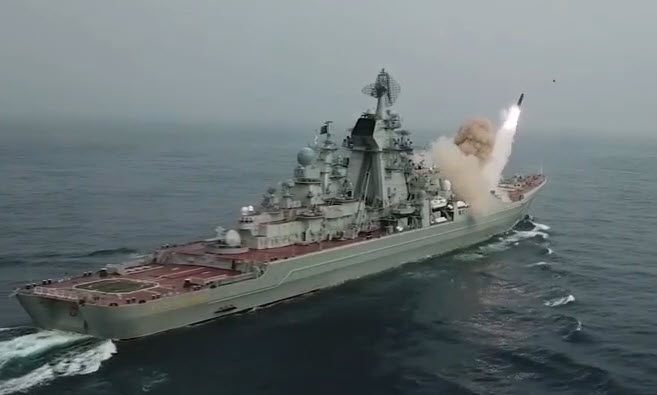
Putin’s actions continue to undermine the principles of international law, the sovereignty of nations, and the fragile balance of global peace. His decision to escalate the war against Ukraine with a new ballistic missile strike on Dnipro, a city of immense cultural and strategic significance, marks another blatant disregard for the United Nations Charter and the global order. This move is not an isolated incident but the second deliberate step in a broader strategy to expand and intensify the conflict, following his deployment of at least 11,000 North Korean soldiers to bolster Russia’s aggression. These actions reveal a deliberate and cynical pattern designed to prolong the war, destabilize Ukraine, and threaten the international community’s efforts for peace.
By involving North Korea—a nation infamous for its violations of human rights and disregard for international norms—Putin has demonstrated his willingness to align with any actor that shares his contempt for global stability. This partnership highlights his desperation to maintain control in a war he initiated unprovoked, further isolating Russia from its historic role as a global power and reducing it to a pariah state dependent on rogue allies.
The recent missile strike on Dnipro is not just another chapter in this war; it is a stark escalation that underscores Russia’s intent to deepen the humanitarian crisis in Ukraine. This strike, coupled with ongoing nightly attacks from Iranian-manufactured drones, showcases a calculated strategy of terror aimed at breaking the resolve of the Ukrainian people and testing the resolve of the international community. Putin’s narrative that Ukraine’s defensive actions constitute an escalation is not only disingenuous but an outright lie. Under international law, Ukraine has the unequivocal right to defend its sovereignty and its people from aggression. Putin’s attempts to twist this reality are nothing more than propaganda designed to distract from his own war crimes.
The international response—or lack thereof—is a critical factor in Putin’s calculus. Every moment of hesitation, every weak condemnation, emboldens him further. He thrives on testing the limits of global inaction, and the current muted response sends a dangerous message that such aggression has no meaningful consequences. Putin interprets this as permission to continue his campaign of destruction, not just against Ukraine but as a broader threat to the global order.
Putin’s ambitions extend far beyond Ukraine. His actions serve as a warning to the world that unchecked aggression in one region can spiral into a broader conflict with far-reaching consequences. The world cannot afford to remain passive. Concrete action must follow words of condemnation. This means increasing sanctions, providing Ukraine with the military capabilities it needs to defend itself, and isolating Russia diplomatically and economically. It also means holding Putin accountable for war crimes and ensuring that his regime feels the full weight of international law.
The path to peace cannot be paved with appeasement or inaction. Force must meet force, not out of a desire for escalation but out of necessity to protect the principles of sovereignty and self-determination. The international community must unite to deliver a clear and unyielding message: aggression will not be tolerated, and those who perpetuate it will face severe consequences. Putin’s ambition to extend this war beyond a thousand days must be thwarted, and his regime must be made to bear the full burden of its atrocities. Only then can a just and lasting peace be achieved.

We See What Others Cannot