

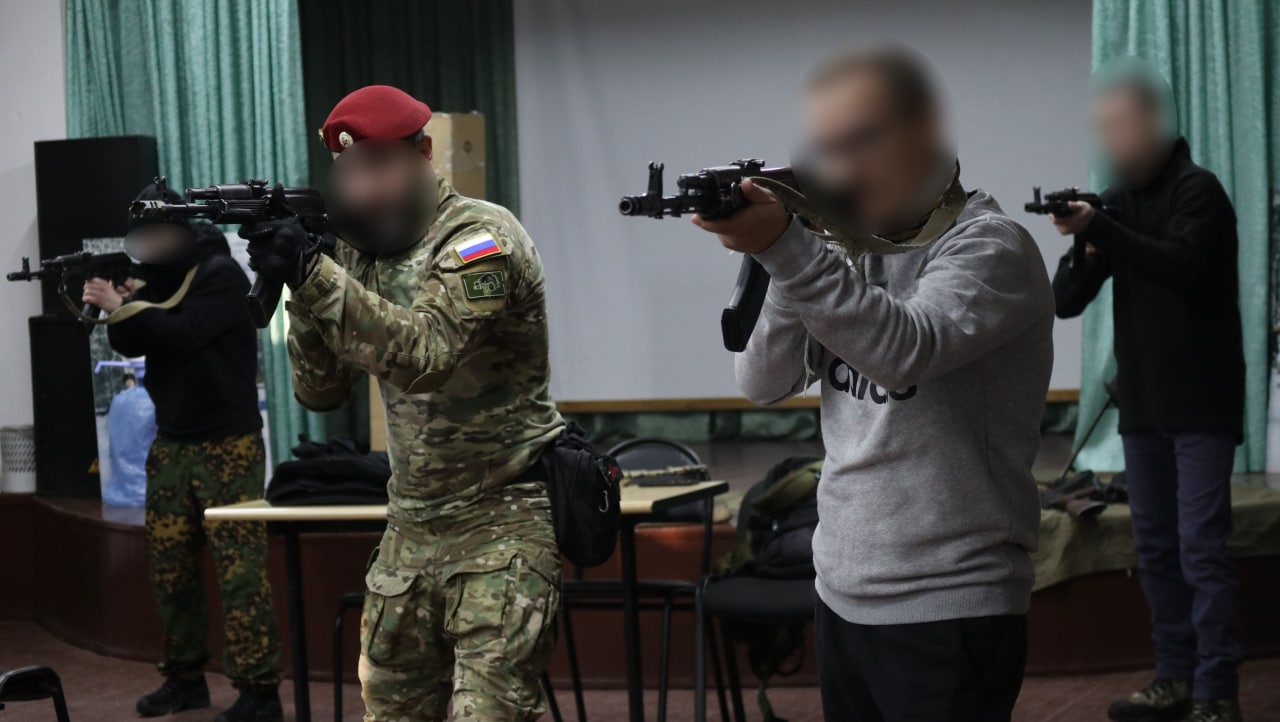


Atlanta June 17-21
The comprehensive course is designed to equip students with the knowledge and skills to coordinate and execute information operations (IO) effectively. Through a blend of theoretical understanding and practical workshops, participants will gain insight into the dynamics of information influence, the methodologies for content promotion, psychological tactics for audience engagement, and strategies for incident response planning.
Course Objectives
By the end of this course, students will be able to:
- Understand the complexities of the information operation cycle.
- Apply content promotion technologies to impact audiences.
- Use psychological techniques for influencing target demographics.
- Identify and respond to distinct types of information operations.
- Research audience vulnerabilities and craft compelling impact scenarios.
- Organize and distribute impact content strategically.
Module 1: Introduction to Information Operations
Provide a foundational understanding of the principles, techniques, and implications of information operations within the digital and psychological warfare landscape.
- Fundamentals of Information Operations
- The Information Operation Cycle
- Technologies in Content Promotion
- Psychological Techniques for Audience Influence
Starting with Module 1, students learn to integrate AI to personalize the learning journey. In the introduction to information operations, AI-curated content provides students with tailored readings and case studies, ensuring a solid foundational understanding. Students learn to build their information operations GPT while exploring the information operation cycle. AI-driven simulations present real-world scenarios, allowing students to apply theoretical knowledge in a controlled yet unpredictable environment.
Module 2: Organizing Information Operations
Equip students with the skills to plan, organize, and execute information operations, emphasizing incident response and audience analysis.
- Incident response planning: Theory and best practices
- Audience research methodologies
- Identifying audience vulnerabilities
- Formulating impact scenarios
- Organization and distribution strategies for impact content
Moving into Module 2, AI enhances the organization of information operations through sophisticated, student-built incident response simulations. The AI scenarios adapt to students’ decisions, presenting evolving challenges that mimic the fluid nature of real-world cyber threats. The AI analytics tools and those built by students in the classroom (GPT) enable students to dissect vast amounts of data, precisely identify target demographics, and predict potential vulnerabilities based on historical and predictive analysis.
Module 3: Workshop on Information Operations
Provide hands-on experience in analyzing, planning, and countering information operations through collaborative workshops and simulation exercises.
- Analyzing the enemy’s information operation processes
- Strategies for opposing adversarial information campaigns
- Developing and implementing information operations
- Scenario development workshop: From theory to practice
In the final module, we finalize student-built information operations GPTs for analysis and counter-operation strategies. AI systems present students with current and past information operations, offering tools for deep analysis and deconstruction.
Practical Workshops and Exercises
- Workshop I: Crafting Impact Content
- Workshop II: Simulation of Information Operations
Who should attend:
The course ideal for a diverse range of professionals seeking to enhance their strategic capabilities in information warfare. Cybersecurity professionals will learn to anticipate and counteract cyber threats through AI tools, enhancing their defense strategies. Digital marketers and PR specialists will refine their skills in content promotion and audience analysis, using AI-driven analytics to improve campaign effectiveness. Government and military personnel, as well as policy makers and political strategists, will gain valuable insights into modern information warfare and psychological operations, crucial for both offensive and defensive strategies and in shaping policies or political campaigns. Journalists and media professionals will navigate the challenges of fake news with advanced AI tools for fact-checking. Tech entrepreneurs and business leaders will acquire strategies to protect their brand and counteract misinformation. Academics and researchers in communication, media studies, and cybersecurity will access the latest AI tools for in-depth analysis, while legal professionals will deepen their understanding of cyber law and information operations to better advise clients and formulate strategies.
