

Cyber and Strategic Intelligence. Since 2002.
Treadstone 71 has taught intelligence tradecraft for more than two decades. The methods have lived in the classroom, in field engagements, and in the reference shelves of the people we train. Four of them now live somewhere new: as working instruments behind the members area, built to be used at the desk rather than read once and shelved.
These are samples with teeth. Each runs in the browser, carries the full method, and holds the standard we teach. What follows is what each one does. The doctrine inside stays with the people who train on it.
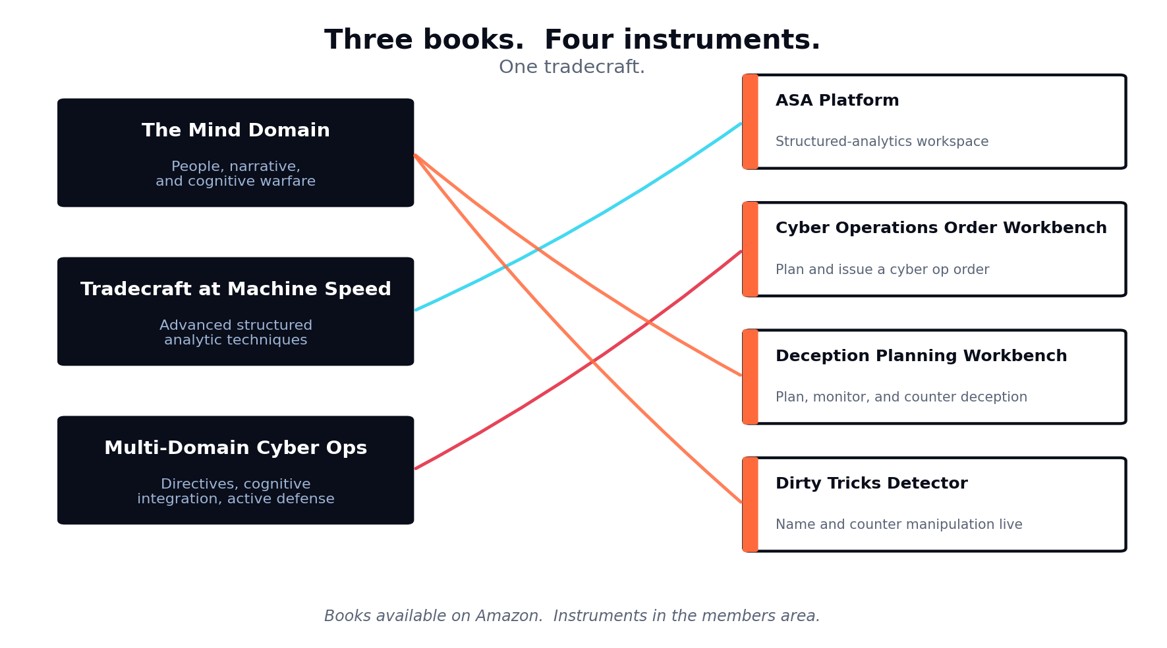
Figure 1. Three books, four instruments. Each instrument applies the doctrine of a specific book.
The ASA Platform
The T71 ASA Platform is the structured-analytics workspace. It takes advanced structured analytic techniques and puts them in one place, so a judgment gets built, weighed against its alternatives, and defended, rather than asserted and hoped over. An analyst who works a problem here leaves with a position and the evidence trail that earned it.
The tradecraft comes from Tradecraft at Machine Speed: Advanced Structured Analytic Techniques for Cyber, Cognitive Warfare, and AI-Era Intelligence.
The Cyber Operations Order Workbench
The Cyber Operations Order Workbench builds a cyber operations order the way an operations shop builds one. Command roles. Terrain read for the cyber domain. Authority and rules of engagement. The measures that tell you whether the operation changed anything. The order does not release until the authority and the legal line are named and held. A planner who cannot name the authority is not ready to plan, and the instrument enforces exactly that.
The method comes from the Comprehensive Manual for Multi-Domain Cyber Operations: Directives, Cognitive Integration, and Active Defense.
The Deception Planning Workbench
The Deception Planning Workbench plans a deception backward from the action you want an adversary to take, then monitors that deception once it is in play. It teaches the other half of the discipline in the same tool: detecting and defeating the deception aimed at you. A legal and ethical gate holds the plan closed until authority is named, the law-of-armed-conflict line is confirmed, and any targeting of a domestic audience is ruled out. This is counterintelligence work, and the tool keeps it inside the law.
It draws on the cognitive-warfare doctrine in The Mind Domain: People Intelligence, Narrative Intelligence, and Cognitive Warfare, A Practitioner’s Field Doctrine.
The Dirty Tricks Detector
The Dirty Tricks Detector names manipulation while it happens. Spot the move, name it, counter it in good faith, and check you are not running it yourself. It is a counterintelligence reflex trainer for the information fight, and the self-audit turns the same lens back on your own work. An analyst who trains here starts to hear the tactic under the argument.
It also comes out of The Mind Domain and its work on narrative intelligence.
The four at a glance
Capability only. The table names what each instrument does and the book behind it. It withholds the method.
| Instrument | What it does | Doctrine source |
| ASA Platform | Brings advanced structured analytic techniques into one workspace, so a judgment is built, weighed, and defended. | Tradecraft at Machine Speed |
| Cyber Operations Order Workbench | Builds a cyber operations order with roles, terrain, authority, and effect measures. It does not release until authority and the legal line are named. | Comprehensive Manual for Multi-Domain Cyber Operations |
| Deception Planning Workbench | Plans a deception backward from the effect wanted, monitors it in play, and trains detection of the deception aimed at you. A legal gate holds it closed. | The Mind Domain |
| Dirty Tricks Detector | Names manipulation as it happens, with a counter for each move and a self-audit that turns the lens on your own work. | The Mind Domain |
From doctrine to outcome
The books carry the doctrine. The instruments carry that doctrine into the analyst’s hands, where it does the work. The path below is conceptual. It shows the value chain, not the implementation.
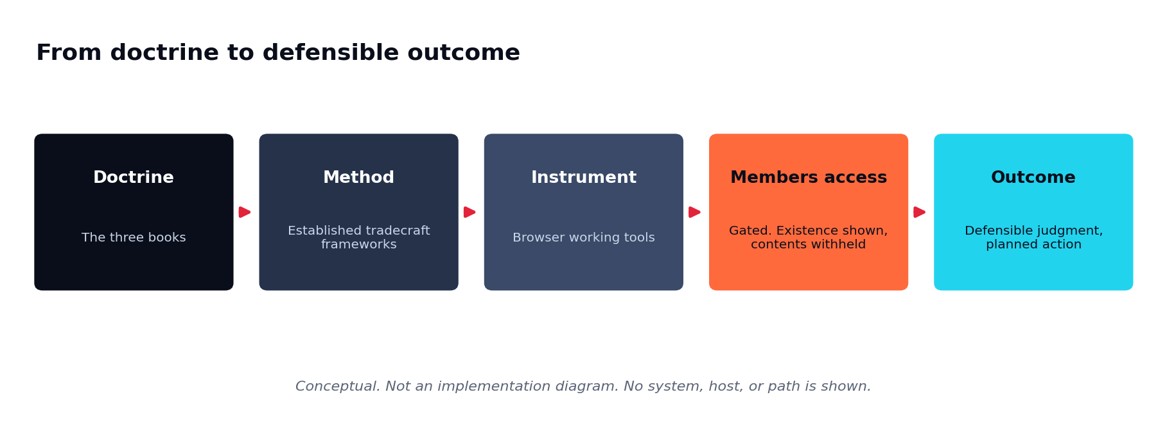
Figure 2. Conceptual value chain. No system, host, or path is shown.
The through-line
Three books. Four instruments. One tradecraft. Jeffrey Bardin wrote the three, on a career that runs through military cryptology and counterintelligence and more than twenty years of Treadstone 71 engagements.
The four instruments sit behind the members area. Nothing confidential leaves the gate, and this document gives none of it away. The instruments are not published. They travel with the work Treadstone 71 does for the teams it trains and advises, and access comes with that work. A program that wants to put them to use starts that conversation through the members area. Readers who want the doctrine underneath can find the three books on Amazon, linked below.
The books
The doctrine is public. Read it on Amazon.
- The Mind Domain: People Intelligence, Narrative Intelligence, and Cognitive Warfare
- Tradecraft at Machine Speed: Advanced Structured Analytic Techniques
- Comprehensive Manual for Multi-Domain Cyber Operations
Three books. Four instruments. Twenty-four years of tradecraft, since 2002.
(c) 2002-2026 Treadstone 71 LLC. All rights reserved. Treadstone 71 and the Treadstone 71 logo are trademarks of Treadstone 71 LLC.
Capability overview for public distribution. Contains no confidential or proprietary methodology. The instruments and their underlying doctrine are proprietary to Treadstone 71 LLC.
You must be logged in to post a comment.