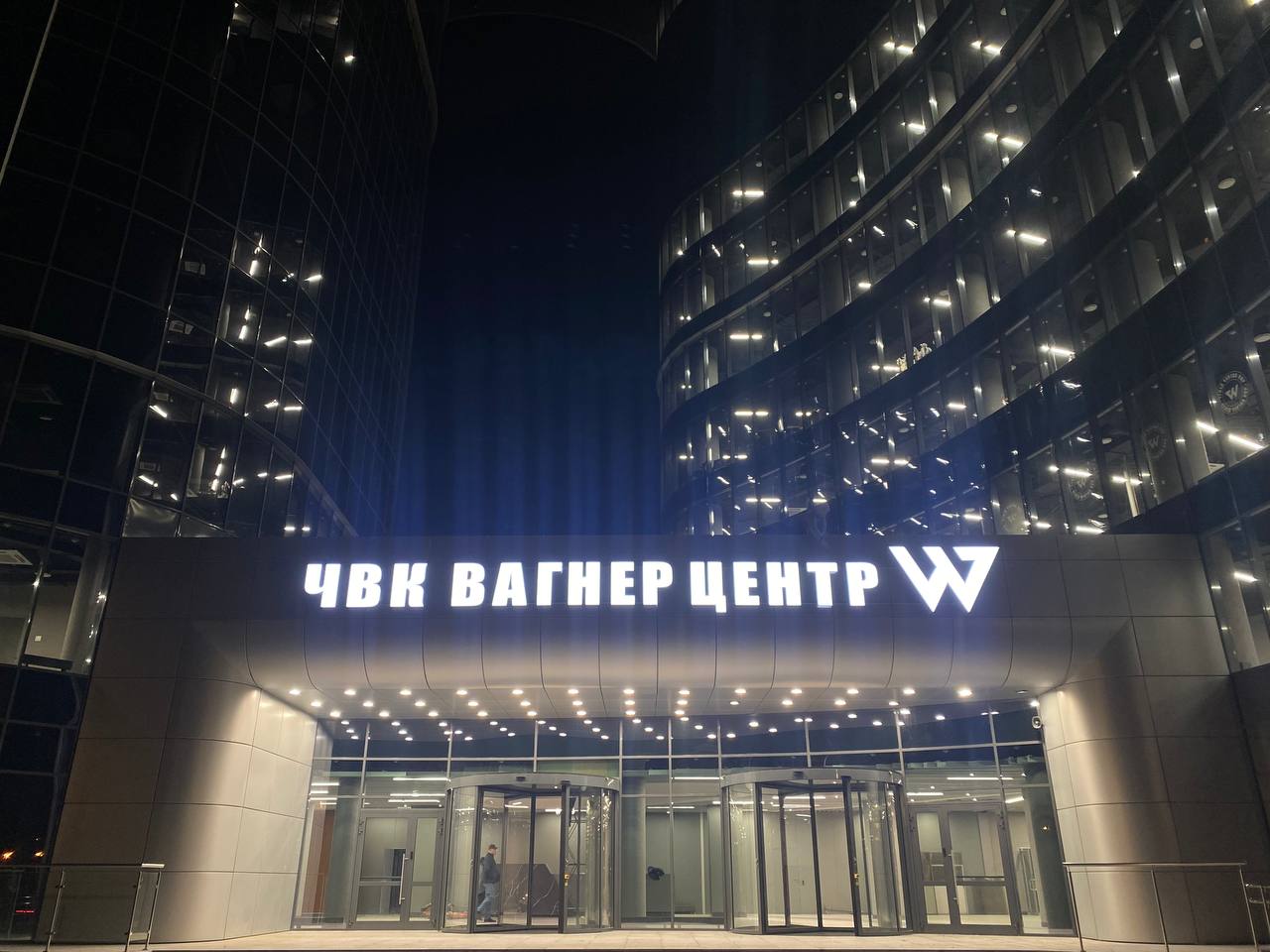
Across the Wagner Paramilitary and Corporate Ecosystem
Modern paramilitary mobilization relies heavily on centralized communication hubs that blur the line between fan communities and professional recruitment agencies. One primary node in this network remains the Telegram channel known as Оркестр | W, which currently serves a subscriber base exceeding 243,138 individuals. While the channel officially identifies as a platform for fans of musical creativity, this designation acts as a colloquialism for the Wagner Group and its various offshoots. Analysts who monitor the channel observe a highly sophisticated funnel that transitions passive observers into active contractors through a series of automated feedback mechanisms and direct administrative contacts.
Potential recruits interact with the @wagner88_bot to initiate feedback loops, while administrative handles like @annamanng and @GlavZOVv facilitate business partnerships and cooperation. The channel provides original content from the frontlines and internal paramilitary communications before mainstream media outlets can verify them, which builds an aura of exclusivity and authenticity that appeals to specific demographic segments.
Recruitment strategies within this ecosystem leverage a legacy of professional adventure and high-stakes employment. The organization presents paramilitary service as a viable career path for individuals seeking both financial stability and personal meaning through combat operations. Data suggests that the Wagner Group and its successor, the Africa Corps, maintain highly visible campaigns replete with granular details regarding requirements, salaries, and benefits. Despite the death of key leadership figures like Yevgeny Prigozhin, the branding continues to resonate across the Sahel and Eastern Europe, maintaining a presence in the Central African Republic, Mali, and Belarus. The rebranding of Wagner operations under the Africa Corps represents a strategic shift toward state-to-state relations, yet the underlying recruitment infrastructure remains largely unchanged.
Comprehensive Compensation Models and Financial Disparities
Economic incentives form the cornerstone of the recruitment narrative within the Orchestra | W network. Paramilitary contractors in the Russian sphere earn significantly higher wages than their civilian counterparts in regional provinces. Early 2023 advertisements promised monthly salaries of approximately 240,000 rubles, which equates to roughly 2,670 USD. However, the actual payout fluctuates based on the theater of operation and the current status of the unit. Fighters stationed in Belarus after the June 2023 mutiny reported monthly earnings closer to 150,000 rubles, or approximately 1,670 USD. Family members of these fighters often express frustration regarding frozen funds and the inability to withdraw money received before organizational shifts occurred.
The escalation of the conflict in Ukraine triggered a massive surge in one-time enlistment bonuses across the Russian Federation during late 2024 and early 2025. Federal and regional authorities combined their resources to offer payouts that often exceed the annual salary of a middle-class professional. For example, the Khanty-Mansi Autonomous Okrug reported total payouts reaching 3.2 million rubles, while the Mari El Republic and Tula Region offered 3 million rubles. These figures represent a 25 percent increase in signing bonuses compared to the previous year. The Kremlin allocated over 35.8 billion rubles from the federal budget alone to compensate new recruits in early 2025, a figure that exceeded the initial annual budget allocation.
Specialized roles and hazardous duties command even more substantial premiums. Certain air assault brigades and volunteer battalions offer monthly salaries reaching 440,000 rubles for experienced personnel. Signing bonuses for these elite positions can peak at 545,000 rubles depending on the region of enlistment. The state also provides a social safety net through fatality and injury compensation. A fatality payout typically equals 14 million rubles, while injury compensation amounts to roughly 3 million rubles depending on the severity of the wound. These financial commitments represent a significant portion of the national budget, with manpower-related spending projected to exceed 4 trillion rubles annually, or approximately 2 percent of the national gross domestic product.
Operational Requirements and Candidate Vetting Procedures
The paramilitary apparatus has expanded its eligibility criteria to maintain force levels amidst high attrition rates. Standard recruitment originally targeted men between the ages of 24 and 50, but the organization widened this window to include individuals from 21 to 60 years of age by mid-2023. Younger candidates between 21 and 24 must demonstrate prior military experience to gain entry, whereas older recruits receive consideration on a case-by-case basis based on their technical skills or previous service records. The vetting process remains rigorous to ensure operational security and political loyalty.
Candidates for the Africa Corps and Wagner deployments must undergo a polygraph test and multiple rounds of interviews. Recruiters prioritize Russian citizens who remain free from outstanding debts or criminal records that might hinder foreign travel. Deployment to the African theater requires specific physical fitness standards to endure service in countries with unfavorable hot climates. Before a recruit departs for an overseas mission, the organization provides mandatory training regarding the cultural characteristics of the host nation. This focus on cultural competency aims to reduce friction with local populations and improve the effectiveness of security assistance missions.
Administrative and support roles also appear within the broader Wagner-allied network. Media organizations linked to the paramilitary group have historically offered intern positions with monthly salaries starting at 150,000 rubles. Experienced journalists and propaganda specialists can command at least 200,000 rubles per month plus living expenses. These roles involve managing troll farms, producing blockbuster movies that glorify paramilitary actions, and running news websites that shape domestic and international narratives. The integration of media professionals into the “Orchestra” ensures that the group maintains a participatory warfare model where the representation of the conflict is as important as the physical fighting.
Training Infrastructure and Geographic Expansion
The primary training hub for Wagner operations historically resided at the Molkino base in Krasnodar Krai. This facility served as the main coordination point for recruits before they deployed to Ukraine or Africa. However, control of the base transferred to the Ministry of Defense-affiliated Africa Corps in July 2023 following the failed rebellion. Reports of a significant fire at the Molkino headquarters in September 2024 suggested internal instability or potential sabotage, though the official cause remained unknown. Beyond Russian borders, Wagner instructors conduct training missions in Belarus, where they work with the Storm Spetsnaz units at the Brest Training Ground.
The African expansion continues to be a central pillar of the paramilitary business model. Russia uses the Africa Corps to elevate its influence in the Sahel region, specifically in Mali, Niger, and Burkina Faso. These missions involve a mixture of counterinsurgency operations, training for local military forces, and the protection of resource extraction sites. In Mali, Wagner-linked entities established three gold mining companies to harvest revenue and finance local operations. The group also provides technical support for operating military equipment and maintains operational coherence for the local juntas. Despite the rebranding to Africa Corps, many fighters on the ground still refer to themselves as Wagner personnel, indicating a deep-seated organizational identity that transcends official bureaucratic changes.
Geopolitical risks accompany these deployments. The shift from Wagner’s nimble, risk-prone model to the Africa Corps’ more routine security assistance may face competition from other global players like China or Turkey. Furthermore, local populations in northern Mali have shown signs of growing resentment toward Russian presence, which some analysts characterize as a wave of Russophobia. This friction stems from the group’s involvement in high-intensity fighting and reported human rights abuses during counterinsurgency missions. The long-term sustainability of the Russian paramilitary presence in Africa relies on its ability to secure influence without triggering widespread local insurgencies against its own personnel.
Contrasting Paramilitary Recruitment with Corporate Wagner Entities
The search results for “Wagner recruitment” frequently return data for legitimate corporate and academic institutions that share the name but have no affiliation with the paramilitary group. A thorough interrogation of the available material reveals a distinct set of employment terms and benefits for these professional organizations. Wagner Spraytech and Wagner Group fire protection services offer a starkly different work-life balance compared to the “Orchestra”. These companies provide comprehensive onboarding programs, buddy systems, and social integration activities like “Onboarding Coffee” to foster cohesion.
Corporate benefits at these legitimate entities include monetary allowances for marriage, birth, and dental rehabilitation through a social fund. Employees enjoy flexible working hours, remote work options for up to three days per week, and modern ergonomic workplaces with height-adjustable desks. Health and wellness initiatives play a significant role, with companies offering subsidised gym passes, eye tests, and vaccinations. Some locations even offer “bike leasing” and local public transport tickets as part of a sustainable mobility program. Education and career development are encouraged through tuition reimbursement and language courses.
The heavy machinery sector, represented by Wagner Equipment Co, targets service technicians and logistics professionals with a focus on stability and safety culture. These roles offer 401k plans with company matches of up to 7 percent and extensive time-off programs. Service department employees receive tool allowances, prescription safety glasses, and laundry services for company-paid uniforms. This corporate environment emphasizes a “people philosophy” rooted in family values, which contrasts sharply with the high-risk, transactional nature of paramilitary recruitment. Academic institutions like Wagner College and federal programs like the Wagner-Peyser Act further complicate the “Wagner” metadata landscape by focusing on administrative staff recruitment, hybrid work arrangements, and public employment service standards.
Implications of Federalized Paramilitary Recruitment
The centralization of volunteer recruitment under the Russian Security Council represents a fundamental shift in the state’s approach to force generation. By forming an interdepartmental commission in late 2024, the Kremlin aimed to streamline the selection process and reduce the reliance on fragmented regional campaigns. This commission coordinates between federal, regional, and municipal bodies to ensure that candidate selection remains efficient and fully staffed. This move signals that the state can no longer afford the decentralized and sometimes competitive recruitment tactics used by private military companies in the early stages of the conflict.
The use of national figures and high-quality advertising campaigns indicates a desire to professionalize the image of the contract soldier. The Kremlin now refers to these volunteers primarily as “kontraktniki,” integrating them more closely with the regular armed forces while maintaining the tiered bonus structure that makes the service financially attractive. This centralization also allows for better control over the narrative of the war, as the state can more easily manage the flow of information through official channels rather than relying on the idiosyncratic posts of individual paramilitary commanders. The future of the “Orchestra” branding likely involves its continued use as a marketing tool for foreign operations, while domestic recruitment becomes an increasingly bureaucratic and state-driven enterprise.
Recruitment rates fluctuate despite the massive financial incentives. While some regions reported a spike in interest following the Ukrainian incursion into Kursk Oblast, other areas saw a factor of 1.5 decrease in recruitment numbers by mid-2025. This suggests a potential saturation point in the pool of willing volunteers, which may force the state to further increase bonuses or reconsider its mobilization strategies. The total spending on manpower—estimated at over 2 trillion rubles for a six-month period—places immense strain on the federal budget, necessitating a balance between military needs and domestic economic stability.
Synthesis of Recruitment Dynamics and Economic Reality
The interrogation of the Orchestra | W Telegram channel and its associated data clusters reveals a complex recruitment machine that bridges the gap between digital subcultures and geopolitical reality. The organization successfully leverages the Wagner brand to attract individuals through a combination of high salaries, perceived adventure, and professional development in the field of private violence. Financial payouts remain the most potent recruitment tool, with monthly wages and signing bonuses reaching levels that civilian industries cannot match in the current economic climate. However, the transition to state control under the Africa Corps and the centralization of recruitment efforts under federal commissions indicate that the era of the truly “private” military company is coming to an end in the Russian Federation.
The contrasting data from legitimate “Wagner” companies serves as a reminder of the diverse meanings of the name in the global labor market. While one Wagner recruits for frontline combat and gold mine security, another offers “Onboarding Coffee” and “bike leasing” for fire protection engineers. This duality highlights the sophisticated nature of modern information ecosystems, where a single search term can lead to both a corporate career and a paramilitary contract. For the potential recruit on Telegram, the path is clear, and the @wagner88_bot remains open for those willing to exchange their security for the high-stakes rewards of the “Orchestra”. The group continues to adapt its messaging and its organizational structure to remain a significant player in the global market for violence, ensuring that its influence in the Sahel and beyond endures through a state-backed, rebranded infrastructure.
The narrative of the Orchestra | W channel is one of persistence and adaptation. By maintaining a constant flow of propaganda, frontline news, and recruitment calls, the channel preserves the Wagner legacy even as the group’s leadership and legal status undergo radical transformations. The economic mobilization of the Russian state to support this recruitment drive indicates that the paramilitary model remains a critical component of the national security strategy. As the Africa Corps settles into its role as a state-sanctioned successor, the recruitment tactics pioneered on Telegram will likely continue to evolve, blending the aesthetics of the “musicians” with the bureaucratic efficiency of the Ministry of Defense. The data suggests that as long as the state is willing to pay and the digital funnels remain active, the “Orchestra” will find new members to join its global tours.