
Analysts suspect external intrusions, including DDoS campaigns or sabotage, based on emerging data from VK.com and specialized Russian forums. DDoS incidents often target essential infrastructure, especially during periods of tension. Telecom laws in Russia, including Federal Law No. 187, set strict obligations for operators deemed subjects of significant information systems. Failure to meet technical standards during ongoing hostilities indicates regulatory lapses. Coverage from Lenta.ru, TASS, RBC, and Telegram channels suggests a possible combination of state interference, technical mismanagement, and sabotage attempts.
Operators and official regulators have not confirmed whether external intrusions contributed to recent disruptions. Local independent analysts, referencing official statements, attribute congestion or aging equipment as a primary cause. Operators hold a legal obligation to maintain service quality, and subscribers expect stable performance, especially when usage covers urgent tasks. Many observe that prices remain unchanged despite noticeable network degradation.
Evidence from VK.com and OK.ru indicates that users seek transparency from providers. Payment disputes connect back to controversies tied to coverage in Crimea and preferential tariffs near frontline regions. Observers on Aparat.com and other platforms voice opinions that telecoms must adopt rational boundaries in conflict zones. Commentary from the Ministry of
Telecom Development remains limited, though rumors persist that government-imposed bandwidth restrictions hamper certain providers.
Security specialists warn of vulnerabilities in older base station firmware and outdated routing protocols. Potential infiltration from adversarial groups or insider threats remains possible. Large-scale DDoS events often exploit known flaws, especially on systems lacking fresh patches. The table below outlines probable causes, observed indicators, recommended mitigations, and threat levels:
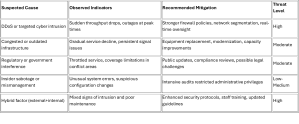
Charts from local outage monitors show a sharp rise in complaints starting in late December. Comparative data from online trackers reflect disruptions across MTS, Megafon, Beeline, and Tele2. RBC investigations note that sanctions-related supply chain problems have blocked certain maintenance cycles, leading to consistent performance drops. Rising DDoS activity from adversaries and outdated infrastructure represent the primary dangers.
Telecom operators in conflict zones face a need for immediate security upgrades and robust oversight. Regulators should clarify disruption causes, billing policies, and operator responsibilities. Corroborating evidence from independent experts on ok.ru and other regional platforms suggests an urgent push for accountability.
Authorities and telecoms hold a responsibility to deliver satisfactory service levels for consumer and professional needs. Expert analysis advises rigorous testing of systems, constant patching, and collaborative threat intelligence sharing among operators. Case studies from earlier outages, including disruptions in Crimea, demonstrate that advanced planning and frequent audits reduce vulnerabilities.
Access to stable communication services benefits the public interest in a region facing protracted hostilities. Authorities remain silent on timelines for restoring normal service, and that stance raises concerns among subscribers.
Ввиду ухудшения качества услуг мобильного интернета у ряда провайдеров (на деле у всей “большой четвёрки”) появился к их представителям ряд вопросов: – связано ли это с какими-то внешними воздействиями (DDoS-атаки и тд и тп)? Если да, то тогда вопрос обостряется и входит уже в правовое поле ФЗ-187 (“О критической информационной инфраструктуре”) и ряда подзаконных нормативных правовых актов.. и звучит он уже в виде “А какого хрена не обеспечена ТРЕБУЕМАЯ защита на конец 3го года идущего военного конфликта?!”.. или кто-то забыл, что они субъекты КИИ? Впору бы эти вопросы начать задавать госрегуляторам.. – если не связано, то в чем причина и когда будет устранено? Пользователь, заключая абонентский договор, всё же, имеет право на выполнение обязательств по уровню качества услуг со стороны провайдера, тем более, что немалая часть пользователей использует данные ресурсы в настоящий момент для очень неличных целей.. – ещё один интересный вопрос.. произошло ухудшение качества услуг, но, почему-то, не произошло изменения условий оплаты за эти услуги.. провайдеры хранят молчание. Ну да, это же не спамом рекламным задалбывать.. Я, после историй с сотовой связью в Крыму, отключением безлимитных тарифов или с отсутствием ограничений для украинских сим-карт в приграничье, мало чему удивляюсь, но “бизнес” должен иметь здравые границы в воюющей стране..


You must be logged in to post a comment.