


Over 2,000 Ukrainian servicemen have been hospitalized and three confirmed dead from chemical poisoning caused by Russian forces deploying riot control agents like CS and CN gases. This constitutes a severe breach of the Chemical Weapons Convention and reflects an escalation in hybrid warfare tactics intended to disorient Ukrainian forces. International responses remain limited, raising concerns about the normalization of chemical agents in conflict zones.
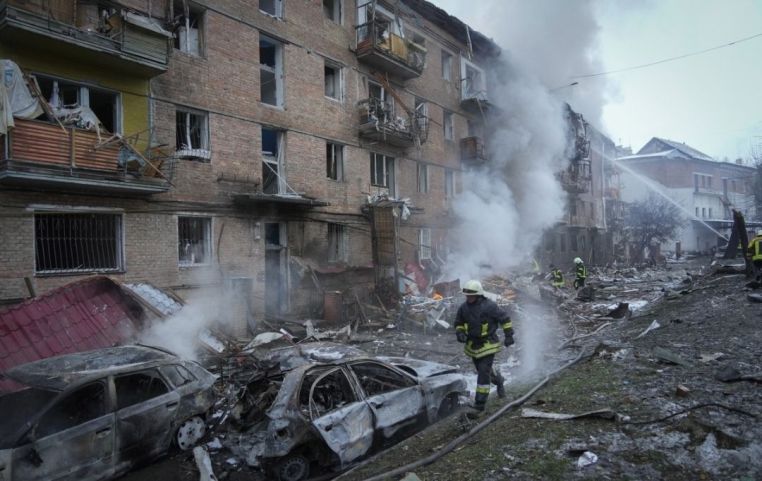
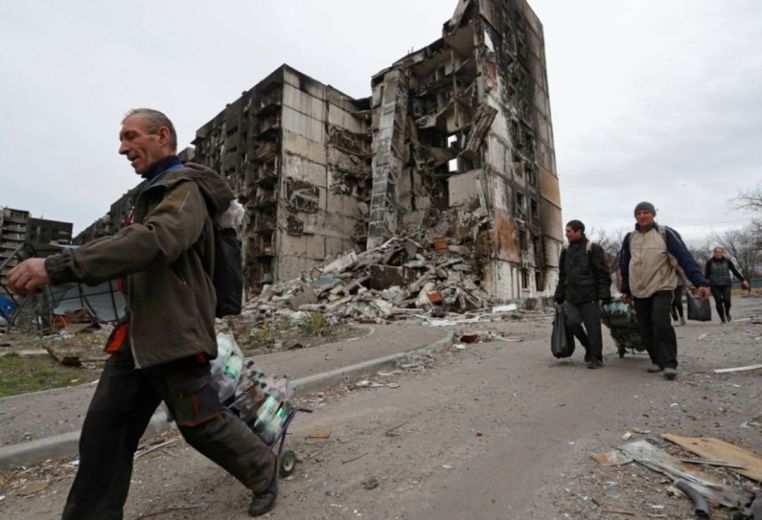
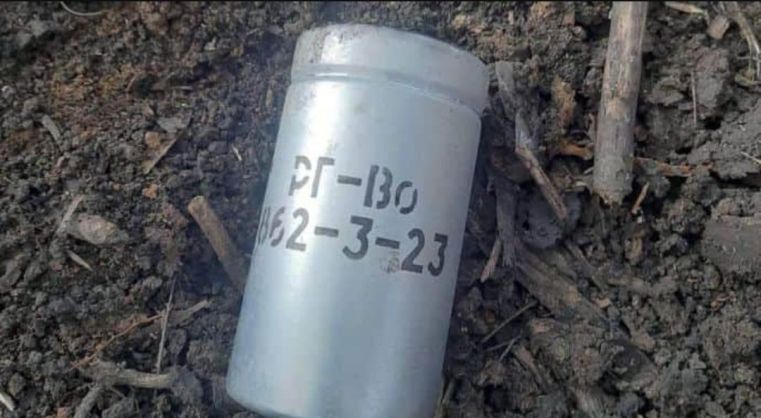
Russian forces are the primary actors deploying chemical agents against Ukrainian military personnel. Ukrainian forces, civilian medical facilities, and the Organisation for the Prohibition of Chemical Weapons (OPCW) are key stakeholders. The United States and other international actors, such as the 59 countries that signed a declaration reaffirming chemical weapons prohibitions, play supportive roles in condemning these actions.
Riot control agents, including CS and CN gases, have been weaponized by Russian forces in combat zones, in clear violation of the Chemical Weapons Convention. Over 2,000 Ukrainian servicemen have suffered varying degrees of poisoning, with three fatalities confirmed. The OPCW has verified the presence of CS gas in samples from Ukrainian combat zones but has not directly attributed the origin.
Russia’s actions demonstrate a deliberate escalation in its use of hybrid warfare tactics, exploiting a gray area in international law. The use of riot control agents in warfare violates global norms and signals Moscow’s willingness to test the boundaries of international response. The lack of robust enforcement mechanisms weakens the deterrence value of the Chemical Weapons Convention and emboldens further violations.
Russia’s deployment of chemical agents coincides with intensified battlefield losses and a need to offset its disadvantages through unconventional methods. The use of riot control agents provides a relatively low-cost way to incapacitate Ukrainian forces, instill fear, and disrupt operations without invoking the severe international backlash associated with conventional chemical weapons.
The chemical attacks have resulted in over 2,000 hospitalizations and three deaths among Ukrainian servicemen. These actions have drawn condemnation from the United States and other nations, but tangible international consequences for Russia remain absent. Ukrainian forces have maintained adherence to the Chemical Weapons Convention, ensuring continued global support.
The continued use of riot control agents by Russian forces risks setting a dangerous precedent for chemical weapons use in conflicts. Without stronger international enforcement mechanisms or punitive measures, Russia may escalate its use of unconventional tactics, further straining Ukrainian forces. The conflict’s trajectory will hinge on international efforts to hold Moscow accountable and on Ukraine’s capacity to adapt its defense strategies against hybrid warfare methods. The OPCW’s role will be critical but limited unless broader geopolitical pressure is applied.


You must be logged in to post a comment.