


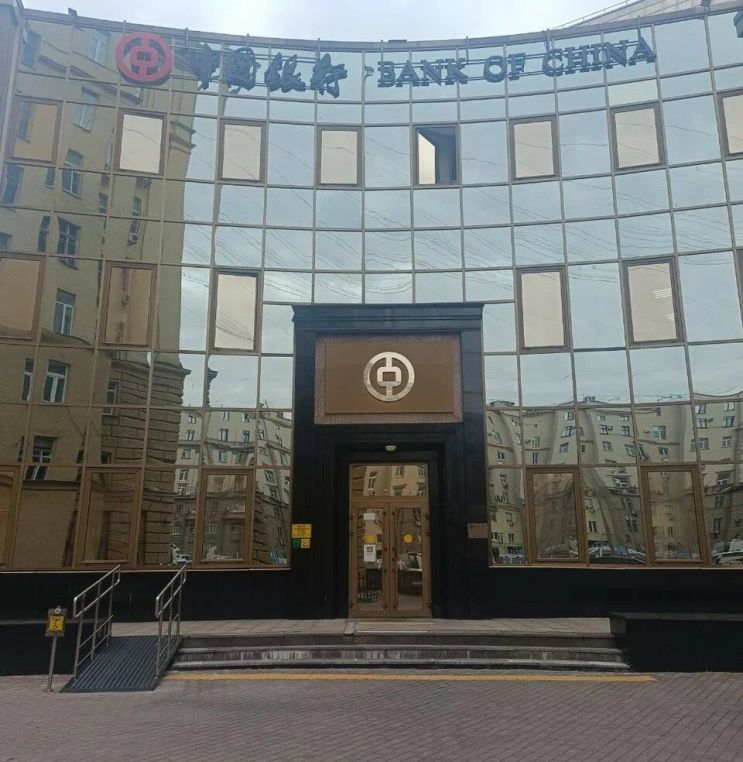
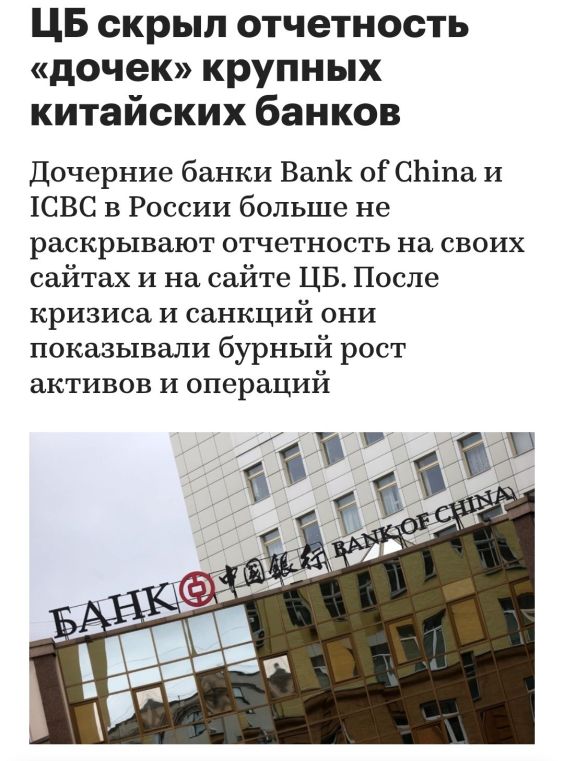
The omission and concealment of financial statements by the Russian subsidiaries of Bank of China (BOC) and the Industrial and Commercial Bank of China (ICBC) expose a deliberate act of subterfuge and deceit that aligns with opaque practices often used to obscure illicit financial activities. The behavior, particularly in the context of heightened scrutiny following sanctions against Russian banks, suggests calculated efforts to shield sensitive financial operations from public and regulatory oversight.
Subterfuge and Deceit
The deliberate removal of financial disclosures is not a mere administrative oversight. This maneuver is consistent with attempts to avoid transparency, likely to hide irregularities, circumvent sanctions, or obscure transactions that may violate international financial norms. The timing of this disappearance—at a point when these banks have significantly expanded their operations in a sanctioned economy—raises serious concerns. The absence of reporting signals an intentional effort to evade accountability.
Facilitating Corruption and Sanctions Evasion
The exponential growth of Chinese banks’ business in Russia after 2022 coincided with Western sanctions that severely restricted the operational capabilities of Russian financial institutions. By stepping in to fill this void, BOC and ICBC not only enabled the Russian economy to sustain operations under sanctions but also positioned themselves as key facilitators of financial flows that might breach international restrictions. The lack of transparency now points toward potential concealment of activities such as money laundering, sanctions evasion, or illicit trade financing.
Comparison with Other Chinese Banks
Unlike BOC and ICBC, other Chinese banks operating in Russia, such as China Construction Bank and China Agricultural Bank, have complied with disclosure requirements. This stark contrast underscores the abnormality of BOC and ICBC’s actions. Their refusal to provide financial statements through the Russian Central Bank’s public database indicates a calculated divergence from established norms, possibly reflecting a unique role in facilitating high-risk transactions that other Chinese banks have avoided.
Broader Implications
The actions of these two subsidiaries also expose a deeper level of collusion between Russian and Chinese financial systems in undermining global financial transparency. This coordination undermines the sanctions regime imposed by the West, allowing sanctioned Russian entities and individuals to bypass restrictions. Furthermore, the concealment compromises the credibility of both China and Russia as participants in the global financial system, signaling to international regulators and policymakers that these actors are willing to operate in secrecy to prioritize their strategic alliances.
Urgency for Action
The absence of financial disclosures warrants immediate investigation. Regulatory bodies and international organizations must demand explanations from both the Russian Central Bank and the parent Chinese institutions. Failure to hold these entities accountable risks normalizing such practices, emboldening other actors to replicate these tactics.
The concealment of financial data by BOC and ICBC subsidiaries is not merely a technical anomaly. It is a glaring act of deception, a brazen affront to financial accountability, and a likely indication of corruption and malfeasance in circumventing sanctions. These actions demand uncompromising scrutiny and swift punitive measures to deter further subversion of international financial standards.

You must be logged in to post a comment.