
The third-generation air defense systems, termed “moving platform-moving position,” represent a significant evolution from their predecessors. Unlike earlier generations that were limited by static infrastructure or partial mobility, these new systems exhibit complete autonomy, designed for both classical military operations and unconventional partisan warfare. The phrase “Just knock on the door” symbolizes their ability to be rapidly deployed in various environments, including urban areas, rural fields, and even residential locations.
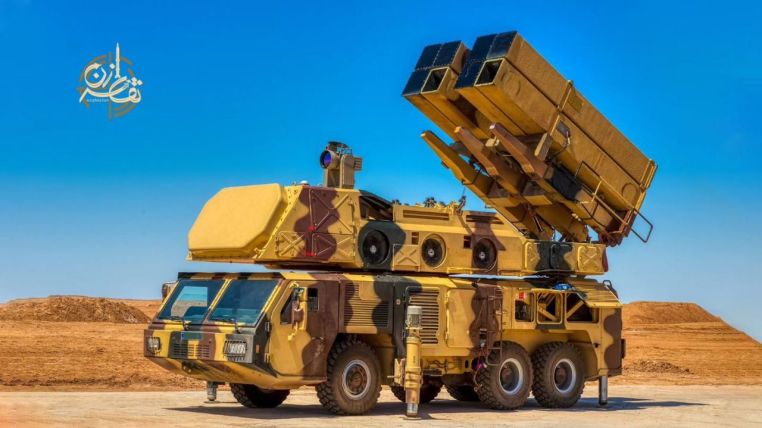
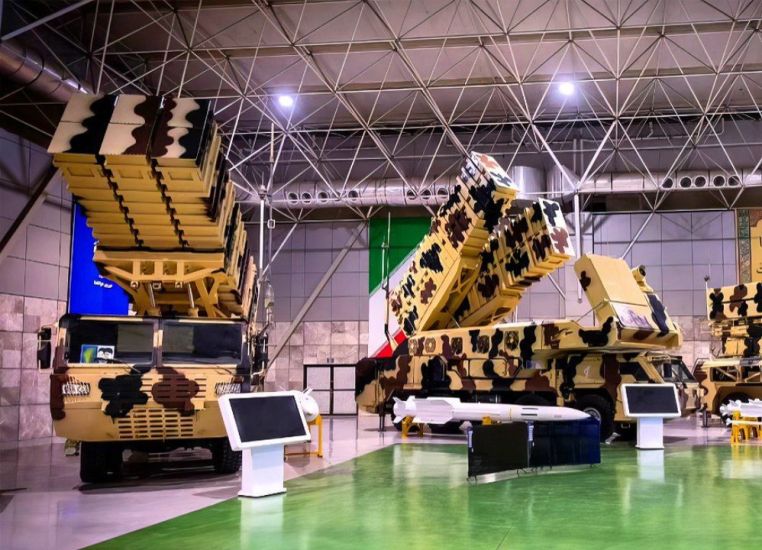
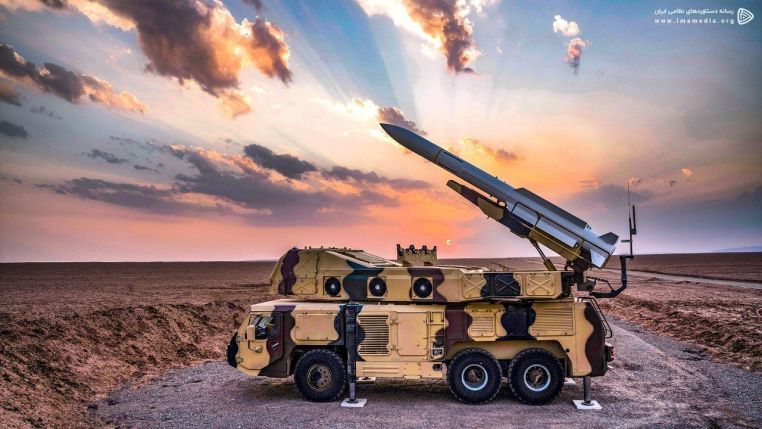
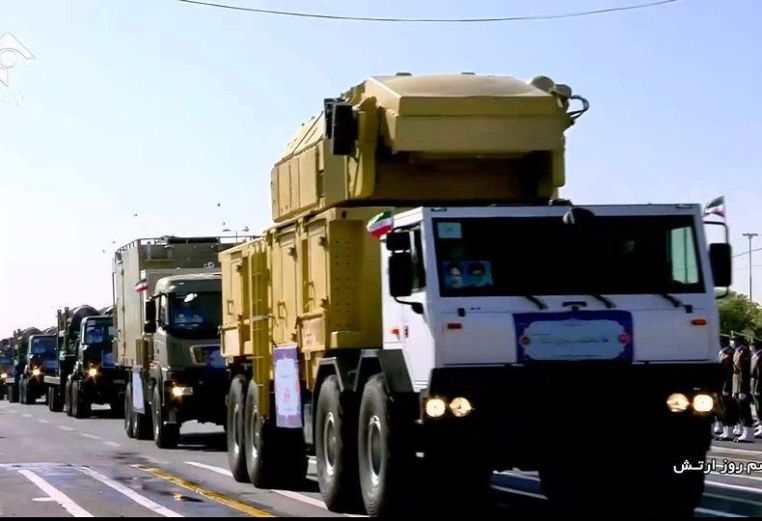

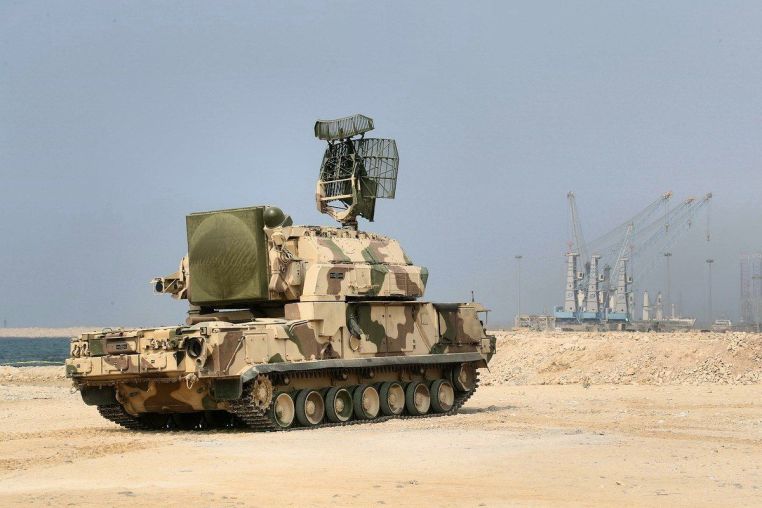
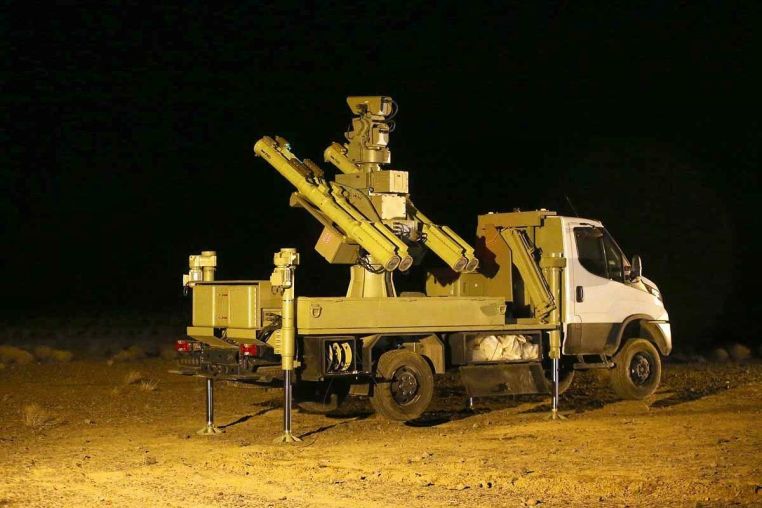
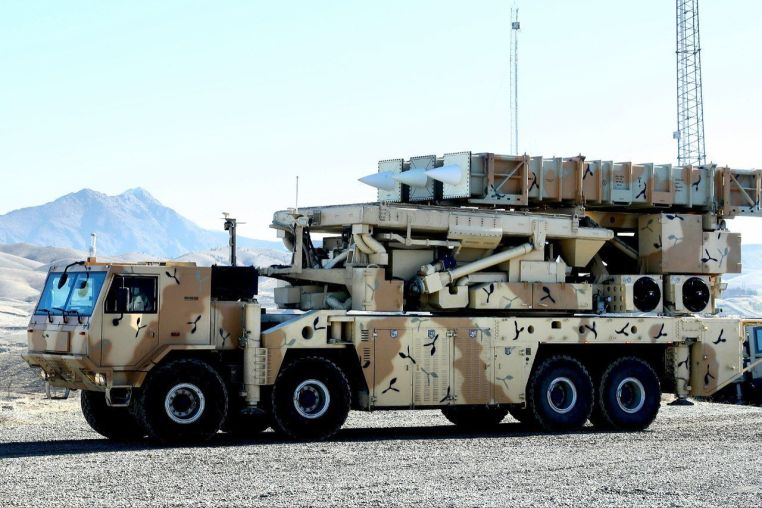
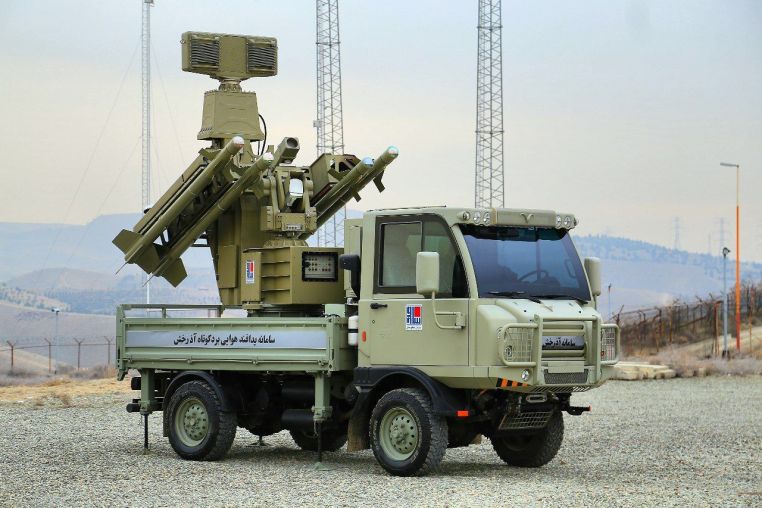
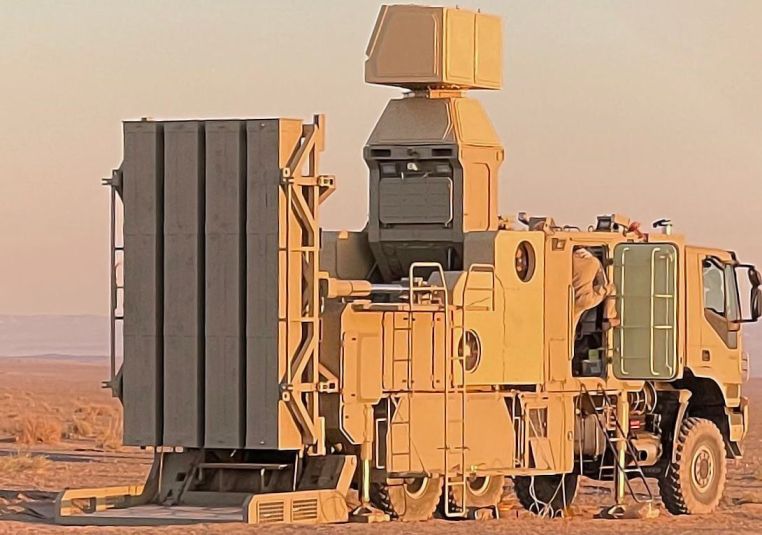
These systems integrate all necessary components onto a single vehicle platform, creating self-contained units that operate independently without additional support vehicles. Key features of these platforms include:
1. Missile Launcher:
Systems like Dezful, Tabas, and Tor-M1 employ compact missile launchers mounted directly on trucks, light vehicles, or armored chassis. These launchers can change firing positions swiftly, often within minutes, reducing the likelihood of detection and engagement by enemy forces. This capability enhances survivability during fast-paced engagements, as seen in recent conflicts in Syria, where Iranian-backed forces have used Tor-M1 systems to protect strategic assets against Israeli air strikes.
2. Search and Intercept Radar:
The integration of radar on the same platform as the missile launcher distinguishes systems like Somkhordad and Azarakhsh. These systems feature search and tracking radars with phased-array capabilities that can detect low-altitude threats, such as UAVs and cruise missiles, while remaining mobile. For instance, the Azarakhsh system’s ability to continuously move while maintaining radar coverage has proven advantageous against drone swarms and PGMs, complicating enemy targeting efforts.
3. Generator:
Unlike previous systems that required separate generator vehicles, the third-generation platforms incorporate on-board power supplies, ensuring uninterrupted operation without the logistical delays associated with setting up external power sources. The generator setup in systems like Mehran and Arman minimizes operational downtime and maintains readiness, critical during rapid redeployment in active combat zones.
4. Missile Command and Radar Control Room:
Systems such as 9D and Majid centralize command operations within the same vehicle that carries the missile launcher and radar. This integration improves reaction times, reduces communication delays, and enhances the coordination between detection and interception phases. It also minimizes electronic signatures, making it harder for adversaries to triangulate the system’s location based on command signal emissions.
5. Electro-Optics:
Systems like Zubin and Somkhordad incorporate electro-optical sensors directly on the vehicle chassis, enabling passive detection and tracking of targets. This capability supports engagement under conditions where radar emissions could expose the system to enemy electronic warfare (EW) or anti-radiation missiles (ARMs). Electro-optics enhance stealth, enabling operations from concealed positions, such as within forested areas, dense urban environments, or mountain tunnels.
Third-generation air defense platforms maintain flexibility in deployment and concealment, unlike fixed or semi-mobile systems that remain vulnerable to early strikes. These platforms can function effectively from non-traditional locations such as parking lots, underground bases, and tunnels. Iran’s adoption of these systems reflects an acknowledgment of the inherent vulnerabilities of fixed or semi-fixed systems in sustained conflict scenarios. The mobile nature of these systems allows operations from diverse terrains, including forests, plains, deserts, urban streets, and even during adverse weather conditions.
The most notable advantage lies in their suitability for partisan warfare, critical in Iran’s strategic doctrine. With the expectation that most fixed-position defenses will suffer heavy losses within the initial phase of a large-scale conflict, these mobile systems offer a resilient defense strategy. For example, during hypothetical hostilities with Israel or the United States, third-generation systems would enable decentralized, persistent air defense. Iranian operators could rapidly deploy units like Majid and Dezful from concealed urban or rural positions, conducting hit-and-run operations that complicate enemy air superiority efforts. These systems can also exploit Iran’s complex terrain, positioning in mountainous regions or dense cities to launch surprise counter-air operations.
The operational flexibility and concealment capabilities of systems like Tor-M1 and Arman provide a tactical advantage, especially against adversaries with extensive ISR capabilities, such as Israel and the United States. By continuously shifting positions and employing decoy tactics, these platforms can significantly disrupt enemy air campaign plans. During the 2020s, Iranian forces have increasingly relied on these systems for both defensive and offensive air operations, showcasing their effectiveness in irregular warfare scenarios.


You must be logged in to post a comment.