


Reza Reyhani (also spelled Reza Rihani) is identified as a key figure associated with Iran’s Islamic Revolutionary Guard Corps (IRGC), specifically with Unit 8040. His role extends across a broader region, mainly involving missions in countries where Iran’s proxy forces operate, particularly Syria and Lebanon. Unit 8040, linked to broader operations of the IRGC, appears to handle sensitive military and air defense operations, many of which occur outside Iran.
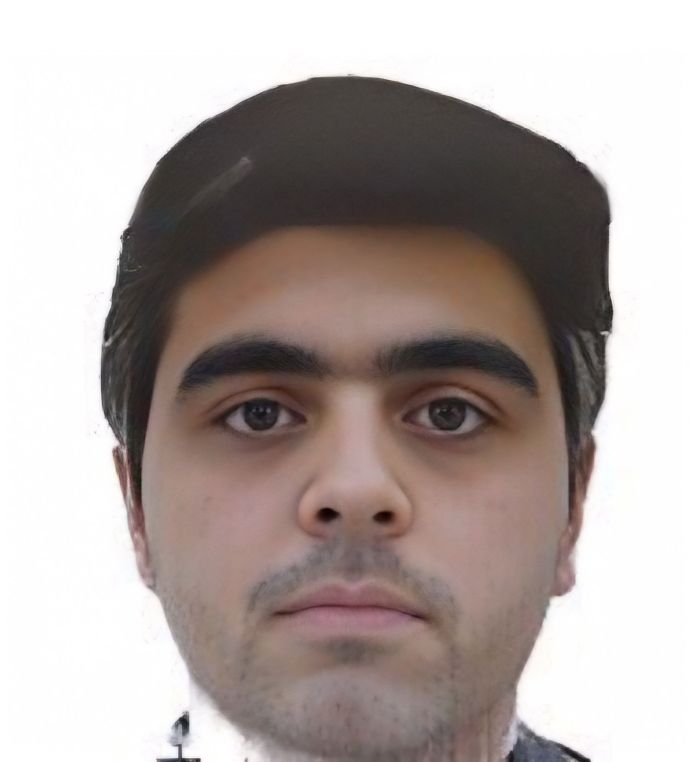
Reyhani, initially assigned leadership over Unit 8040, became more involved in regional defense, focusing on air defense systems and proxy warfare tactics in areas like Syria and Lebanon. These locations are central to Iran’s regional strategy, where Hezbollah and other Iranian-backed militias operate as extensions of Iranian influence. Hezbollah, in particular, has developed into a powerful military and political organization in Lebanon, often receiving direct support, training, and weaponry from the IRGC, particularly from its Aerospace Force, which plays a critical role in missile technology and air defense.
Reyhani’s collaboration with the IRGC Aerospace Division suggests his involvement in coordinating sophisticated operations, likely involving missile defense systems and advanced technology deployment. The Aerospace Division of the IRGC has been responsible for overseeing much of Iran’s missile program, which has been used both as a deterrent and as a projection of power in the region. Through proxy forces, Iran extends its reach into conflicts in Syria, Iraq, and Yemen, positioning figures like Reyhani to oversee critical aspects of these operations.
Reyhani’s increasing absence from Iran and his growing presence in Syria and Lebanon created a gap in leadership within Unit 8040. To address this, a figure named Golabi was ostensibly appointed as the commander of the unit. However, Golabi appears to lack the expertise and authority that Reyhani holds, functioning more as a symbolic leader while Reyhani retains operational control over the unit.
This dynamic points to the complexity of IRGC command structures, where leaders like Reyhani maintain influence over both domestic and regional military operations. His role likely extends beyond mere air defense coordination, potentially involving strategic planning for proxy forces, arms transfers, and coordination with local militias allied with Iran’s interests.
The mention of figures like Hassan Habibi, the commander of Unit 8000, and the transfer of personnel from Unit 8000 to 8040 indicates internal shifts within the IRGC’s operational units. Unit 8000, from which many of the 8040 members were transferred, seems to have faced internal challenges under Habibi’s leadership, leading to Reyhani’s unit becoming a de facto refuge for those sidelined within the IRGC structure.
Reyhani’s influence and his connection to proxy forces highlight his critical role in Iran’s broader regional military strategy, particularly in leveraging proxy forces to project power and counter adversaries such as Israel, the US, and Gulf Arab states. His leadership within the IRGC, particularly in the context of Iran’s air defense and regional operations, emphasizes the importance of figures like him in shaping Iran’s military and strategic objectives across the Middle East.


You must be logged in to post a comment.