

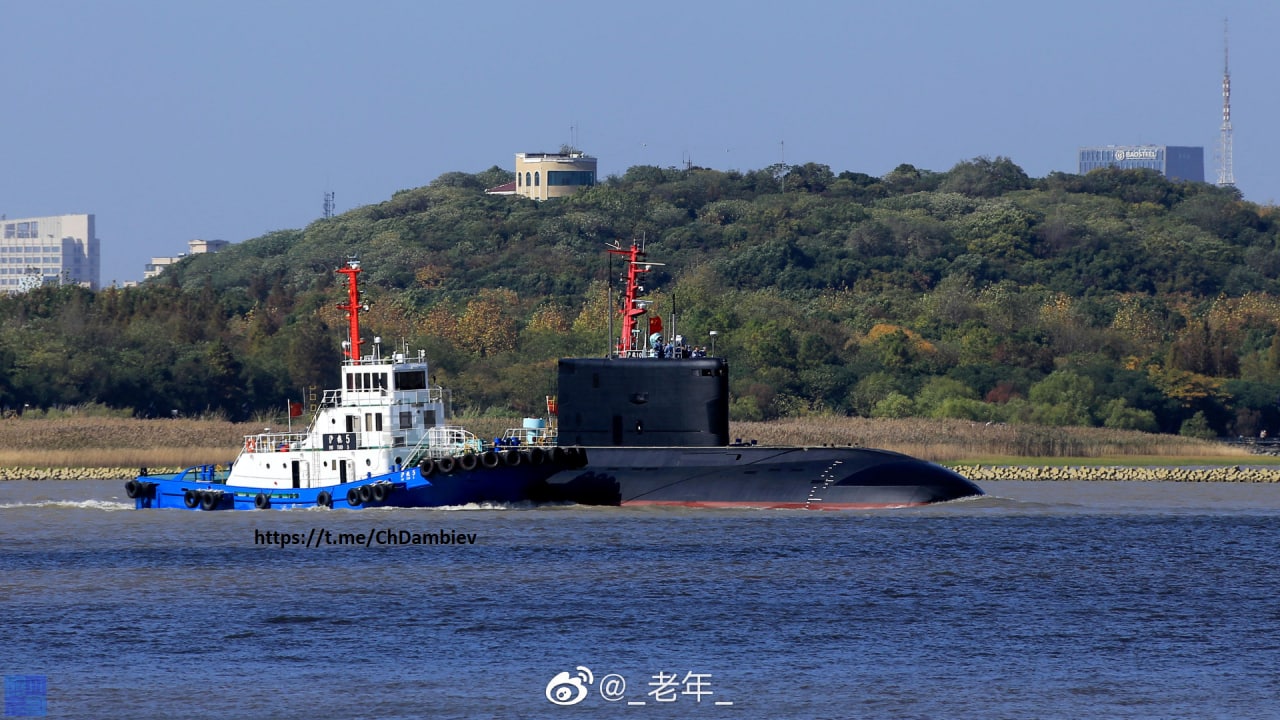


Should have hidden it better
Soldiers of the Legion “Freedom of Russia” turned Putin’s long-range visual surveillance complex “Murom-P” and electronic warfare/electronic warfare antennas into a pile of metal.
#працюєГУР
💥 Scouts destroyed the enemy complex “murom-p”
🦉 Aerial scouts of the GUR of the Ministry of Defense of Ukraine, working near the Ukrainian-Russian border, discovered an autonomous mobile complex of video thermal surveillance “murom-p” disguised by the occupiers and destroyed it with an FPV drone.
💰 The cost of such a complex is about 50 thousand dollars. Muroma optics can detect a person at a distance of up to 10 km with a camera and up to 4 km with a thermal imager.
🔥 While conducting reconnaissance in the indicated square, the operators of the GUR of the Ministry of Defense of Ukraine also tracked down the car used by the Russian invaders – they burned it as well.
Муром-П

Autonomous mobile complex of video-thermal imaging surveillance “Murom-P”
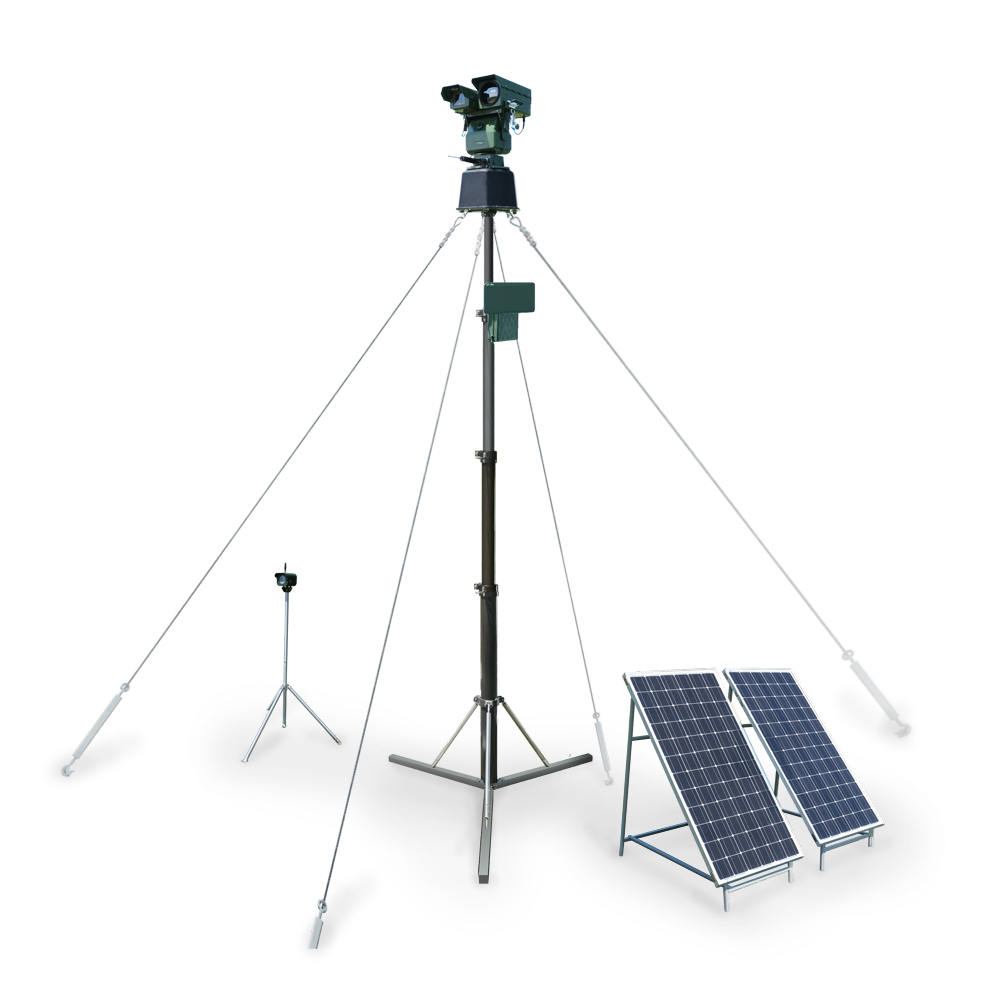
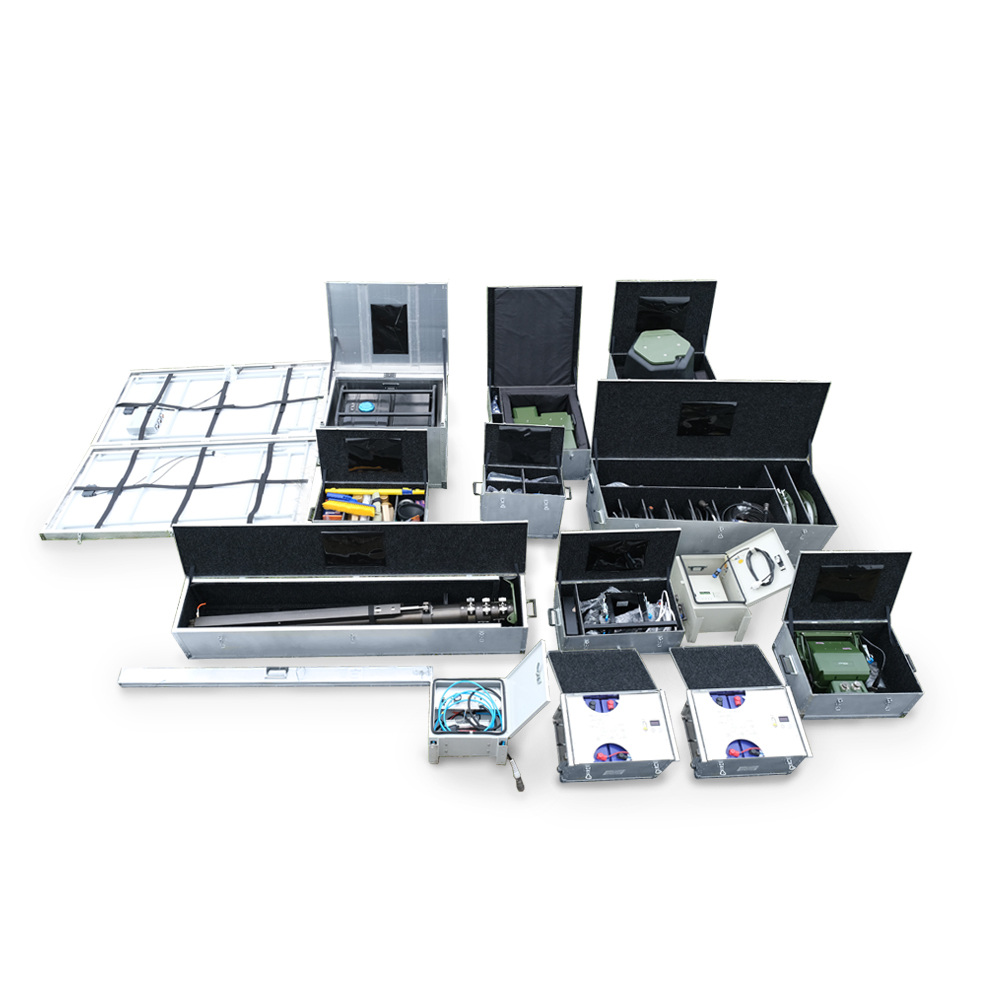
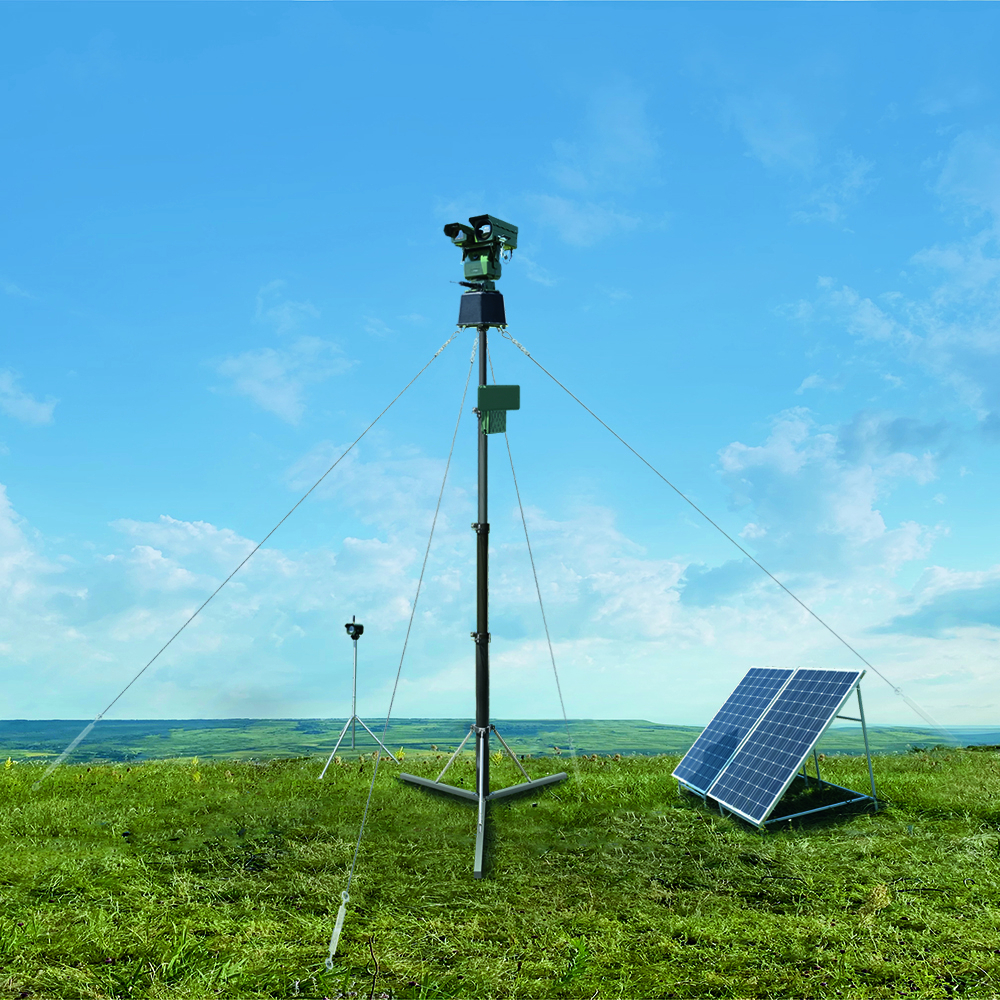
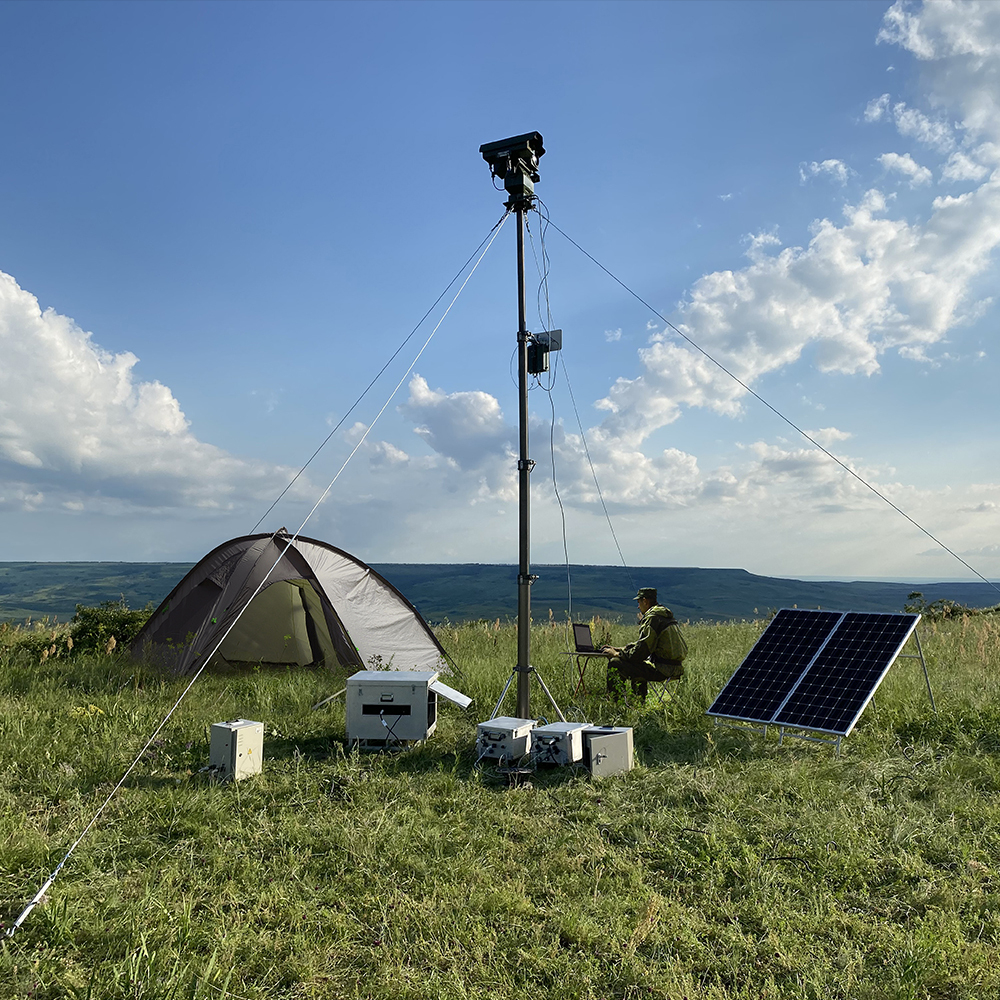
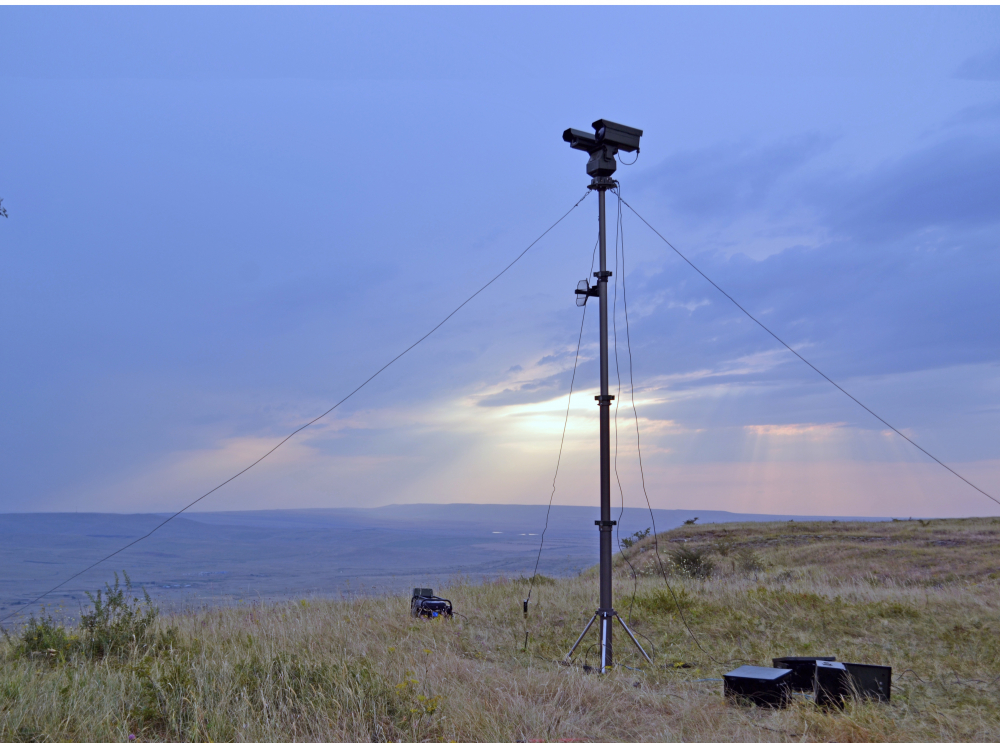
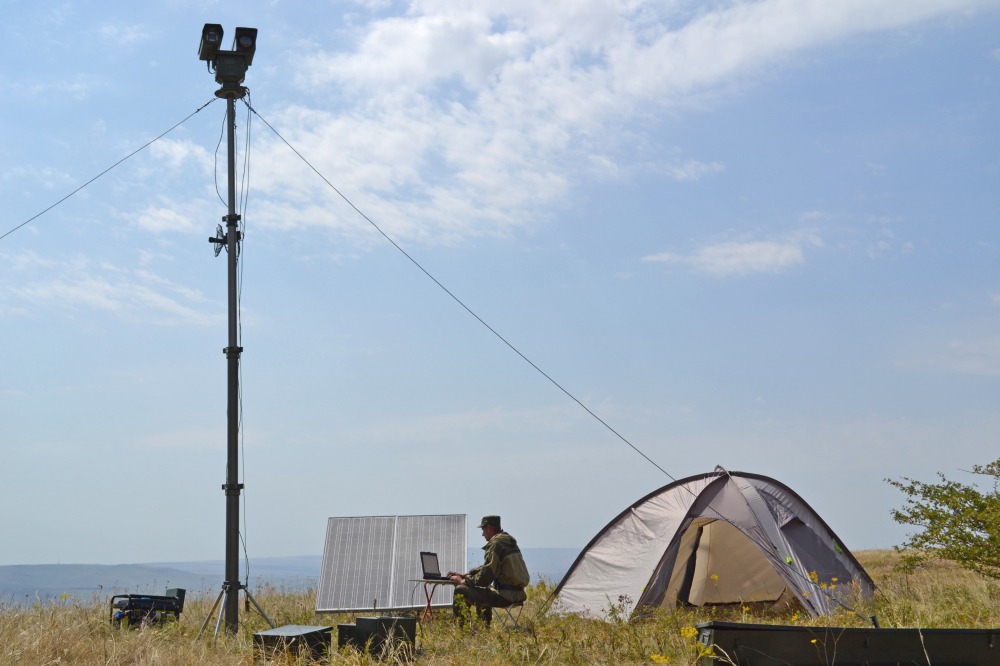
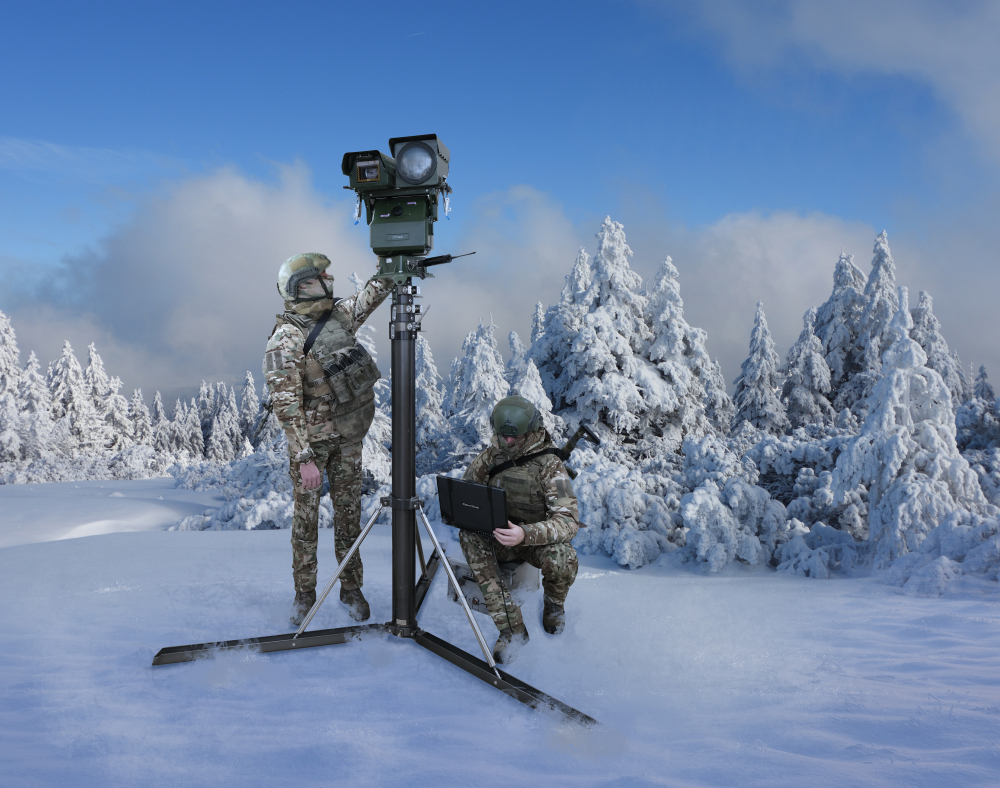
The rapidly deployable autonomous mobile video-thermal imaging surveillance system “Murom-P” is designed for round-the-clock remote video-thermal imaging and radar surveillance, control and protection of open areas, approaches, perimeters and routes of movement to objects.Photo gallery

Video presentations
- Autonomous mobile video-thermal imaging surveillance system “MUROM” (316 MB)Look
- Autonomous mobile complex of video-thermal imaging surveillance “MUROM”. Deployment video (497 MB)Look
Purpose
The rapidly deployable autonomous mobile video-thermal imaging surveillance system “Murom-P” is designed for round-the-clock remote video-thermal imaging and radar surveillance, control and protection of open areas, approaches, perimeters and routes of movement to objects.
The complex can be formed from three versions of the basic kit and two versions of development kits. The complete complex provides:
- detection and recognition of objects of the “car” and “person” types in a controlled area of the terrain using video-thermal imaging and radar surveillance
- transfer of received information to a remote monitoring post via wireless technology
- generation and issuance of alarm notifications
- determination and clarification of the coordinates of violators, tracking the trajectory of their movement and displaying them in real time on a map of the area indicating information about objects
- own safety of the complex and crew personnel
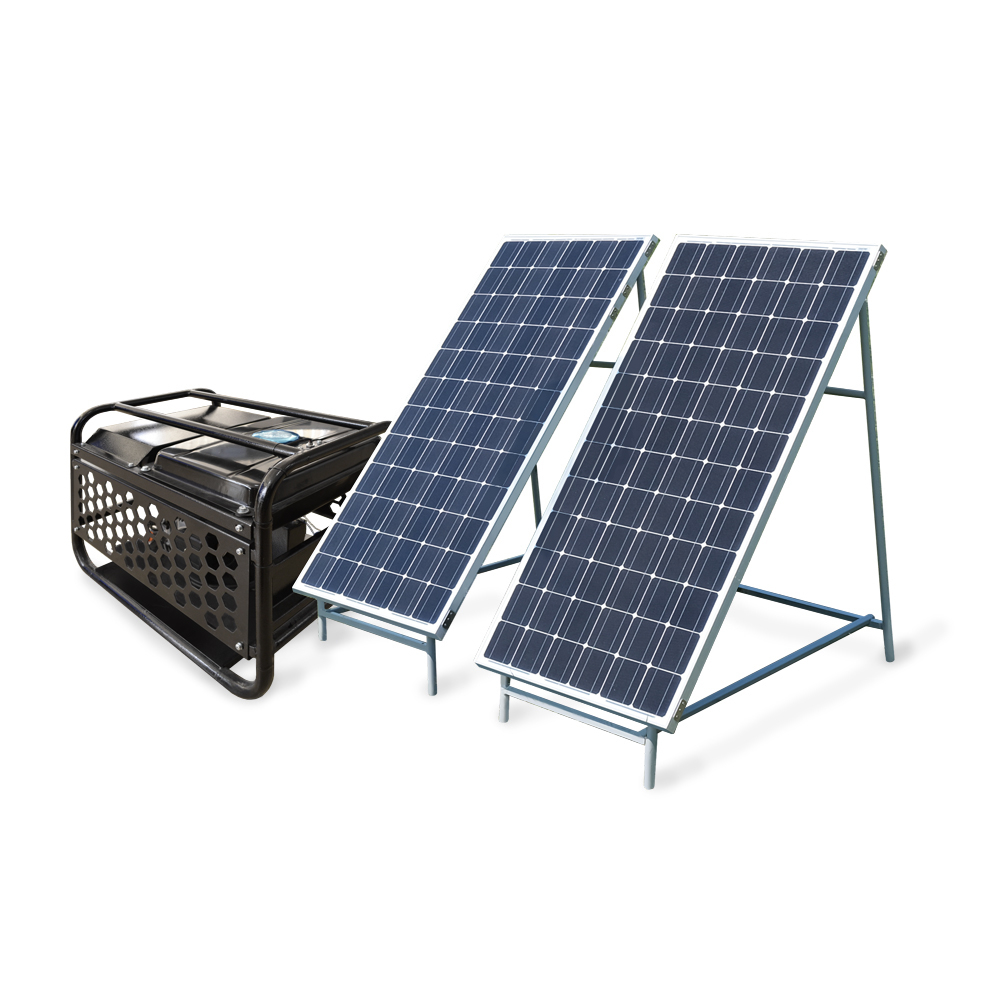
Depending on the basic kit used, the complex can operate either stationary from a 220 V industrial network, or autonomously from solar panels or from a gas generator.
Areas of use
- ensuring the protection of the state border in extended and open areas of terrain
- use as an auxiliary means of security at sites
- ensuring the security of places of temporary deployment of groups of people or military units by monitoring and protecting the approaches to their places of deployment
Execution
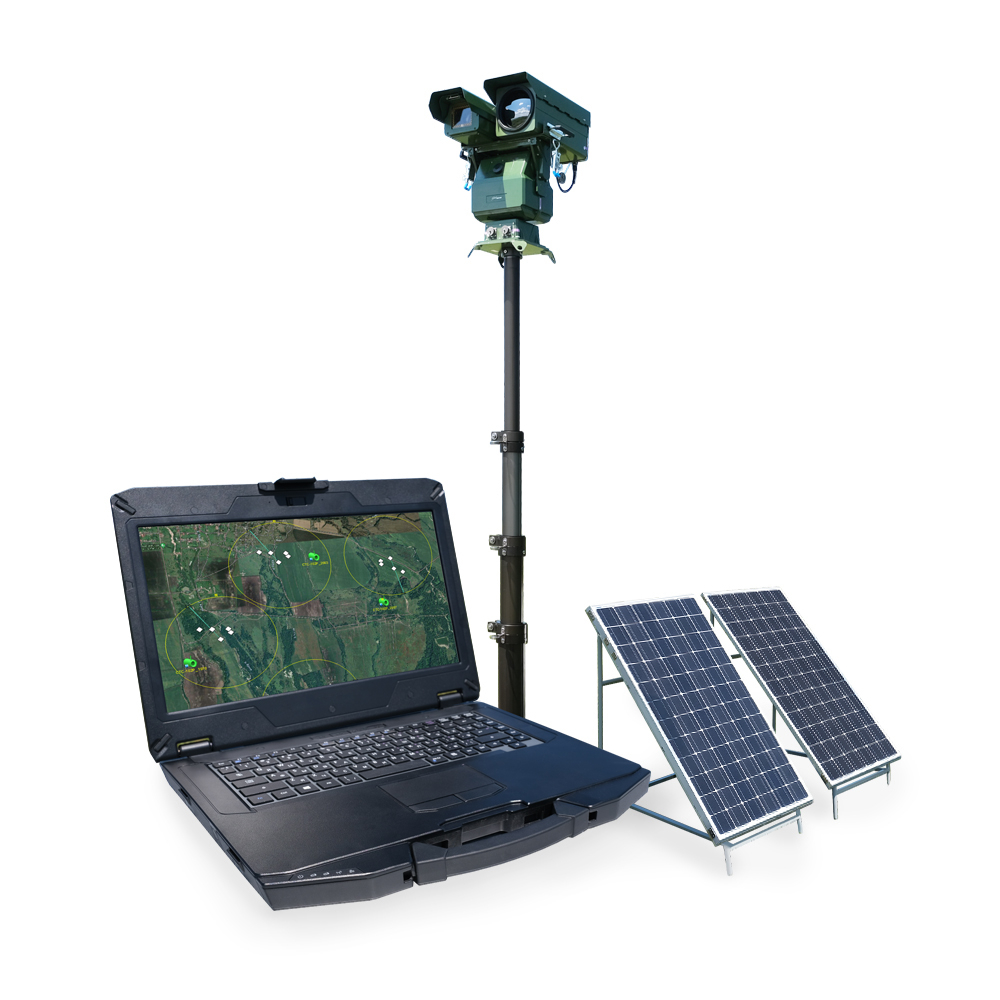
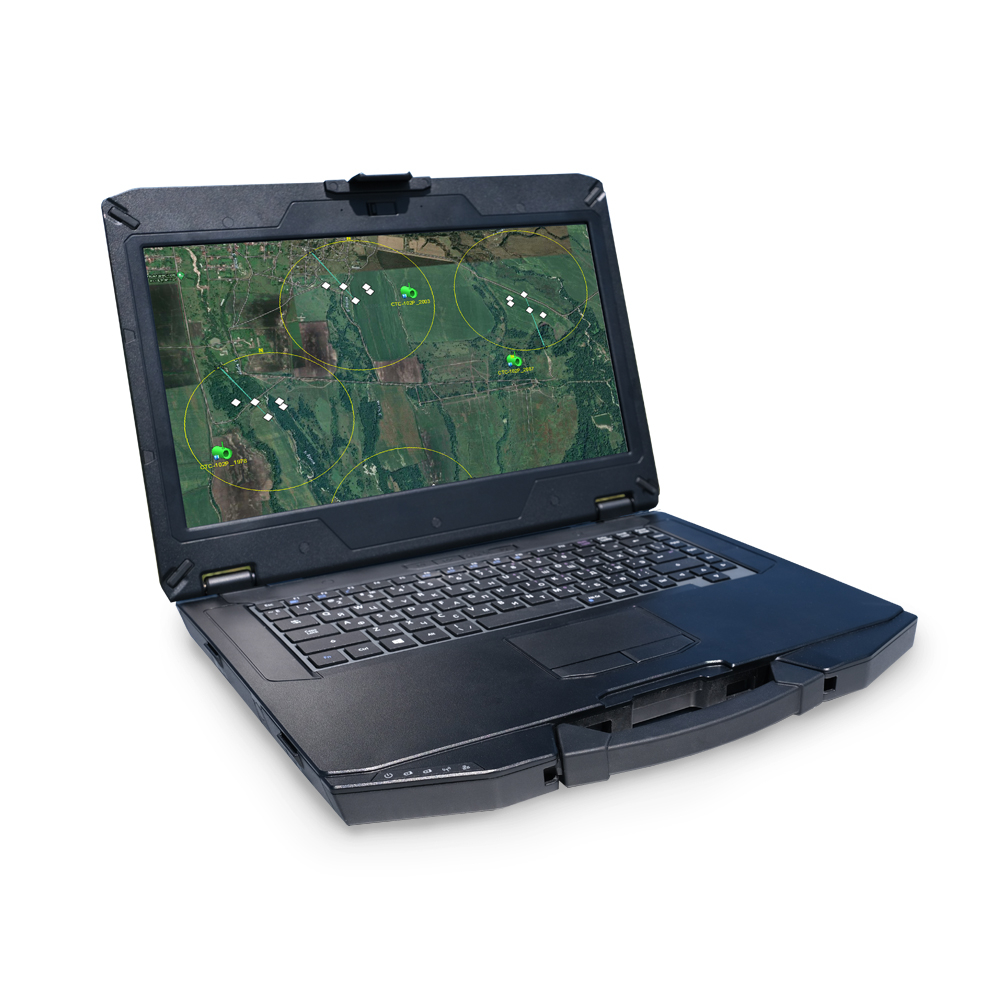
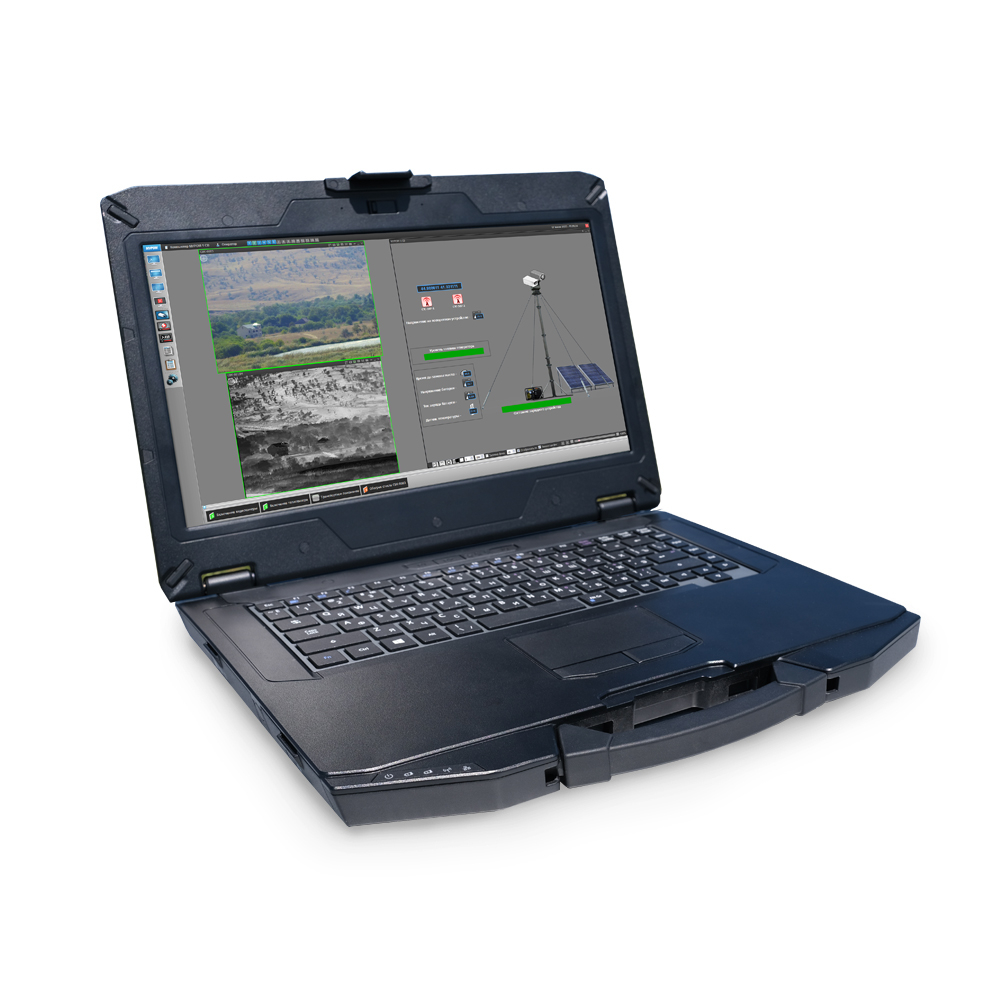
- the complex consists of a monitoring post consisting of a secure laptop set that provides reception, processing and storage of information, and a linear part that ensures the receipt of information and its transmission to the monitoring post
- the main components of the complex are made in a collapsible form
- Protected special cases are used for packaging and transportation of the complex components
- the complex operates under the control of SPO “Murom-P”
Possibilities
- intelligent video surveillance of open spaces in real time
- scanning of the controlled space in manual and automated modes
- determination (clarification) of the location of violation of a protected area and issuing an “Alarm” command (signal)
- display of information in real time on the monitor of the station part and archiving of events
- determining the location of crew personnel on an area map using a GPS receiver
- detection and tracking of targets using a video camera and thermal imager installed on a rotating device
- displaying information about detectors (when using development kit No. 1 “Mongoose”) with their reference to a map of the area, monitoring their status, as well as audio and visual notification to the operator in case of an alarm, while the rotary device with an installed video camera and thermal imager is automatically aimed at the alarm plot
- radar surveillance of controlled space (using development kit No. 2 “Radar”), including simultaneous tracking of several targets
- Autonomous power supply of the complex (for basic sets Use -00 and Use -01) from solar panels or from a gas generator
- organization of a communication channel with a remote monitoring post (for basic sets Use -00 and Use -01)
Peculiarities
- individual notification by sound, light and vibration signals to crew personnel about an alarming event
- ability to download area maps and link to them using a built-in GPS receiver
- determination of azimuth and range to the target
- classification of targets by type with display on the terrain map
- possibility of simultaneous display of video and video archive in real time
- rapid deployment of the complex in a protected area
- long-term battery life
- high degree of mobility of the complex due to the collapsible design of its components and cases for their storage and safe transportation
- ensuring the complex’s own security with security detectors when using development kit No. 1 “Mongoose”
Contents of delivery
The complex can be supplied in three versions of the basic kit with two versions of development kits.
Designation
Name
Qty
STHF.424252.035
Basic kit (Use -00)
*
STHF.424252.035-01
Basic kit (Use -01)
*
STHF.424252.035-02
Basic kit (Use -02)
*
STHF.425624.004
Development kit No. 1 “Mongoose”
*
STHF.425149.002
Development kit No. 2 “Radar”
*
STVF.424252.120 RE
Manual
1 copy
STHF.424252.120 FO
Form
1 copy
*The number of sets is determined by the supply agreement.
Composition of basic kits
Contents of Development Kit No. 1 “Mongoose”
Contents of Development Kit No. 2 “Radar”
Description of component parts of the complex
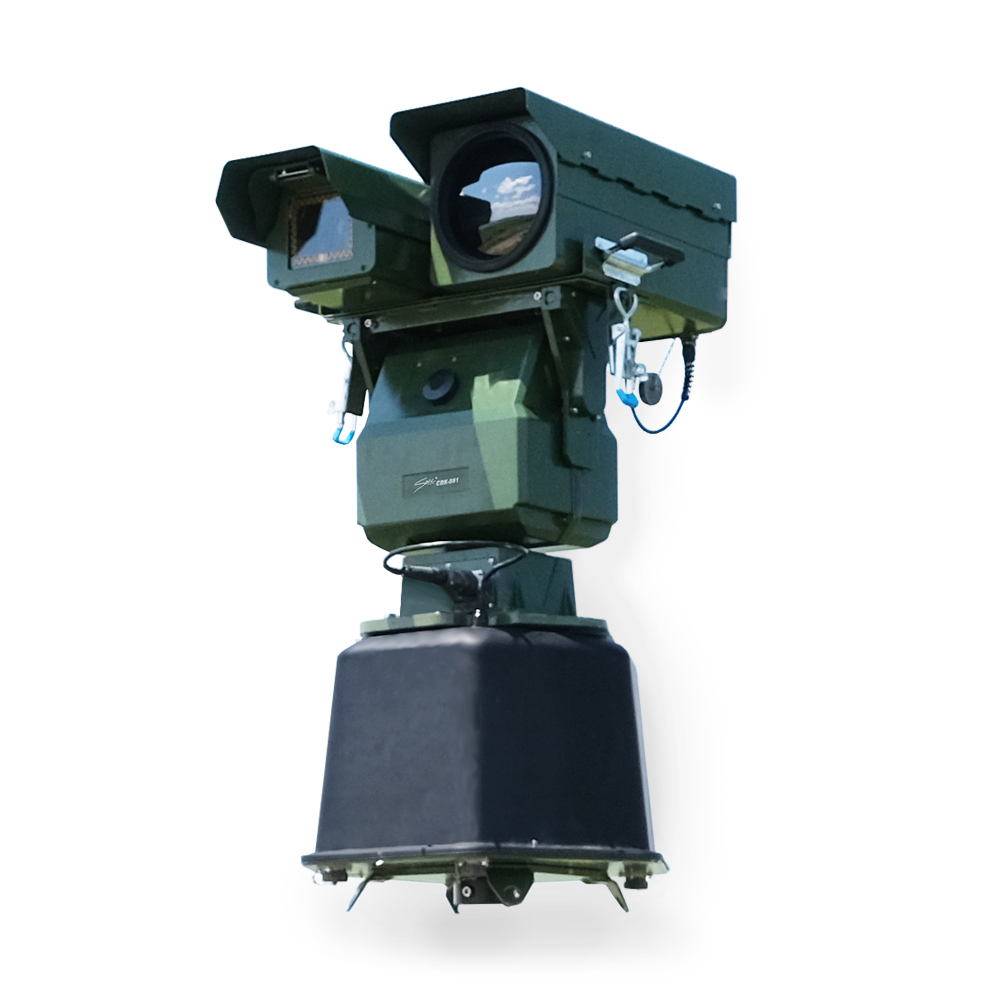
- The long-range video camera SDP-8083 and the thermal imager SDP-8615М/SDP-8815M, installed on the rotating device SDP-881, are used to organize video surveillance in the visible and infrared range.
- The rotating device allows you to point the video camera and thermal imager, changing their azimuth and tilt angle.
- The focal length of the SDP-8083 video camera can be changed over a wide range using a motorized lens.
- The STS-177 radar is designed to detect ground and water objects, as well as determine the range to them, their speed of movement and their geometric parameters.
- A rotating device with an installed video camera and thermal imager, a radar (when using development kit No. 2 “Radar”) and a communication controller are placed on the pneumatic telescopic mast STS-10903.
- A rotating device with an installed video camera and thermal imager is placed on the STS-10901 mast mounted on the roof of a car.
- The 12V/24V power supply unit BPM24 provides power to the complex equipment from the vehicle’s on-board network when using the STS-10901 mast, which is part of the complex.
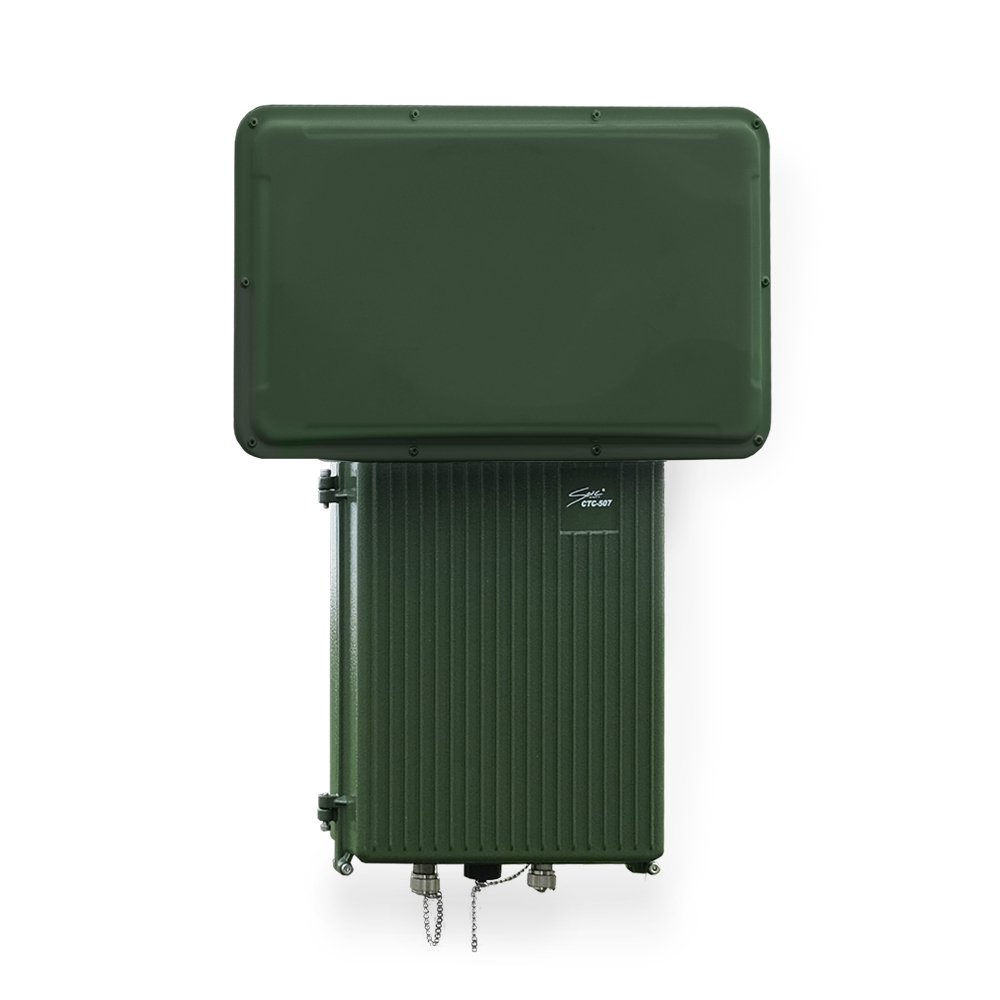
- The STS-507 communication controller is used to organize a high-capacity wireless communication channel between two points.
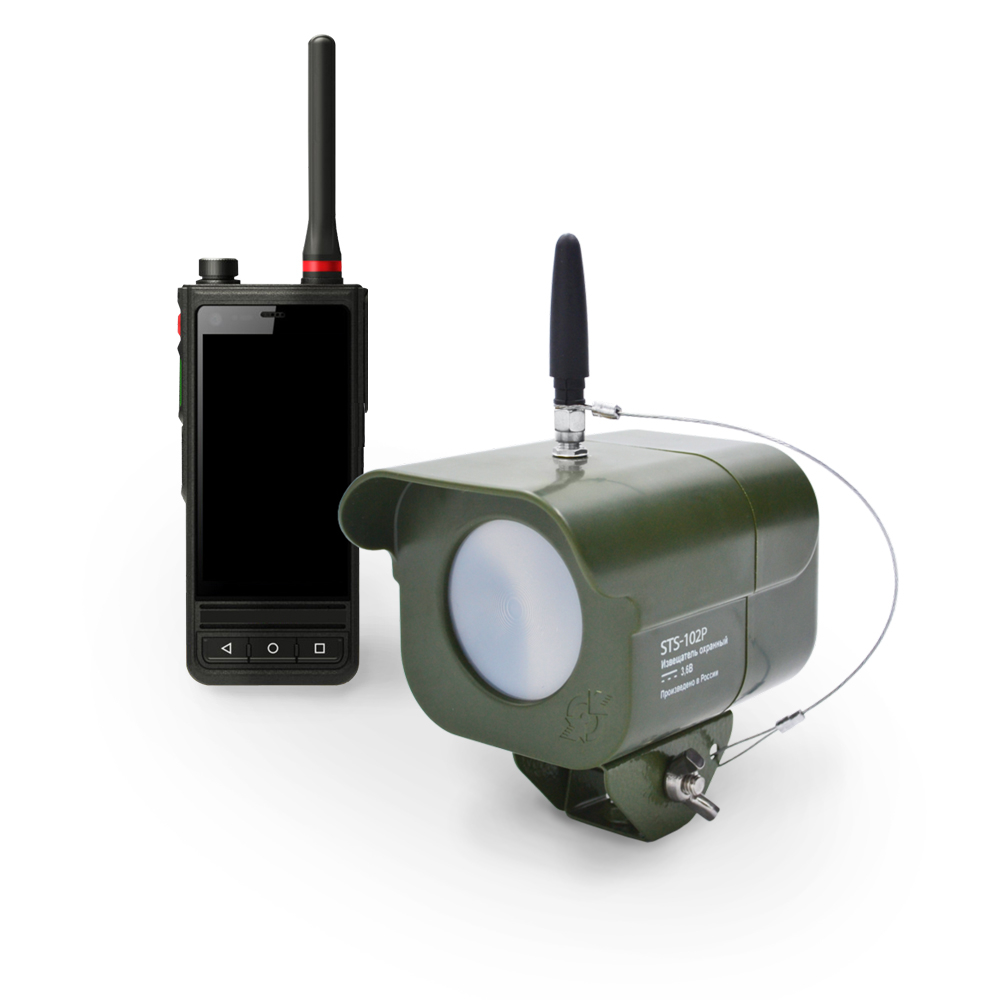
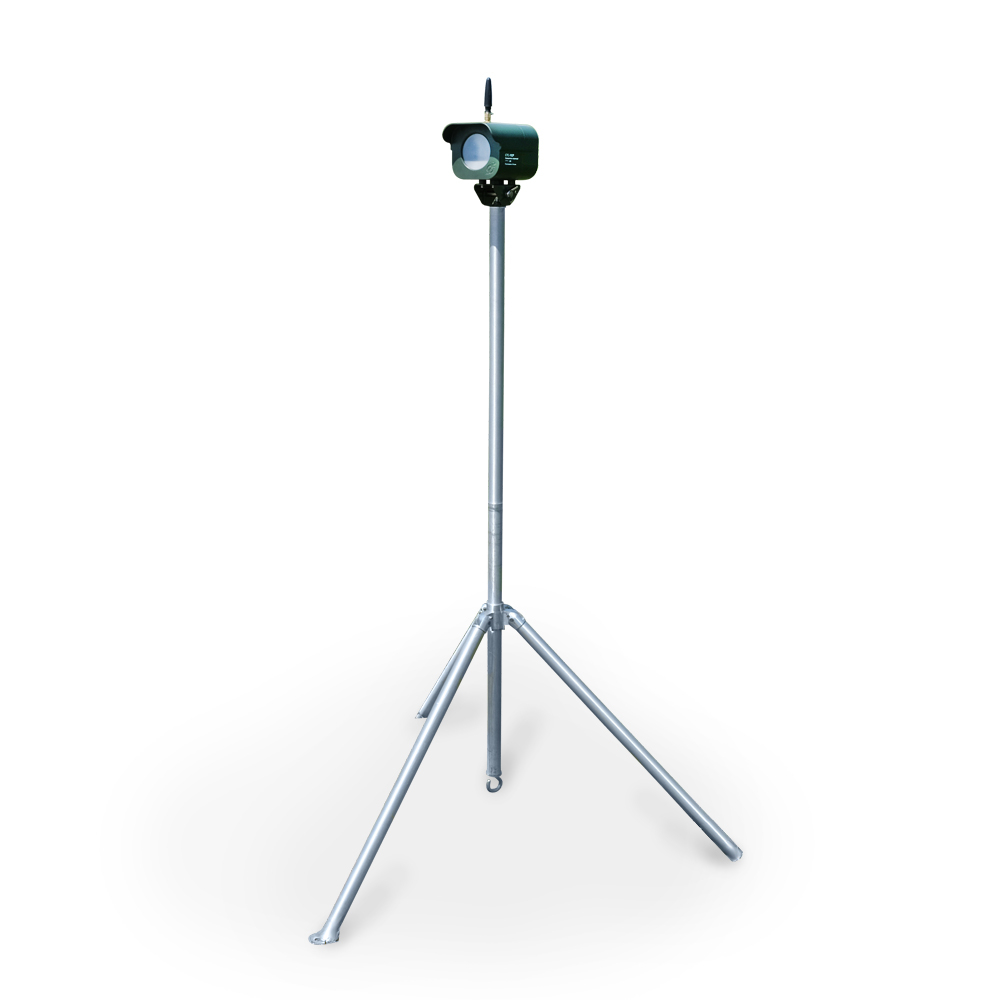
- The STS-102P security detector is designed to generate an alarm notification and transmit it via radio to a monitoring post or to a portable Unicom-1-N kit.
- The Unicom-1-N wearable kit ensures the reception of alarm notifications from security detectors and its transmission to individual Unicom-Amulet sirens directly or through a repeater, as well as alerting the operator after recording an alarm notification by individual sirens.
- The STS-931P repeater is designed to expand the installation range of detectors and the ability to use detectors in conditions without direct visibility. The repeater ensures redirection of alarm notifications coming from the Unicom-1-N wearable kit to individual sirens.
- The Unicom-Amulet individual siren is designed to receive and record alarm notifications and issue sound, light and vibration alerts.
- The STS-943M charger is designed for charging the batteries of the Unicom-1-N wearable kit and individual sirens from an alternating current network
- The battery unit is used to accumulate energy from solar modules (STL-725), a gas generator (STL-724) and provide electricity to the complex. One block is enough to operate the complex.
- The charger charges the batteries in the unit and also controls the gas generator in automatic mode.
- The BRDM-K block is used to receive and process notifications from security detectors and broadcast them to a protected laptop using a rotary device.
- RFE 5300/23HV antennas are installed on the STS-507 controller and provide a wireless communication channel over a distance of up to 8 km.
- The STL-725 autonomous power supply kit provides power to the complex and charges the battery pack from solar panels.
- The STL-724 autonomous power supply kit provides power to the complex and charges the battery pack from a gas generator.
Description of SPO complex
- A set of secure laptop with installed software “Murom-P” is designed to manage, configure and organize a single information space of the complex, allows you to save and display information received from a long-range video camera and thermal imager, as well as from detectors when using development kit No. 1 “Mongoose” and radar when using development kit No. 2 “Radar”.


