


The cargo turnover of the Chinese railway station Manzhouli (Manchuria) in the first half of the year amounted to 10.093 million tons, which is 46.1% more than a year earlier, according to the Biang online publication, citing data from the China State Railway Corporation. It is noted that this is an absolute record for the entire period of operation of the Manchuria-Zabaikalsk railway border crossing. Moreover, the Chinese Railway Corporation emphasizes that the growth in freight turnover is directly related to their modernization of the Manzhouli station (Manchuria) and the checkpoint on the border with Russia.
Additionally, it is reported that out of approximately (on average) 28 Chinese China-Europe container trains that pass through the station per day, usually 8 go to Russia. The daily transshipment of containers at the Manchuria station has grown from 420 to 840 TEU.
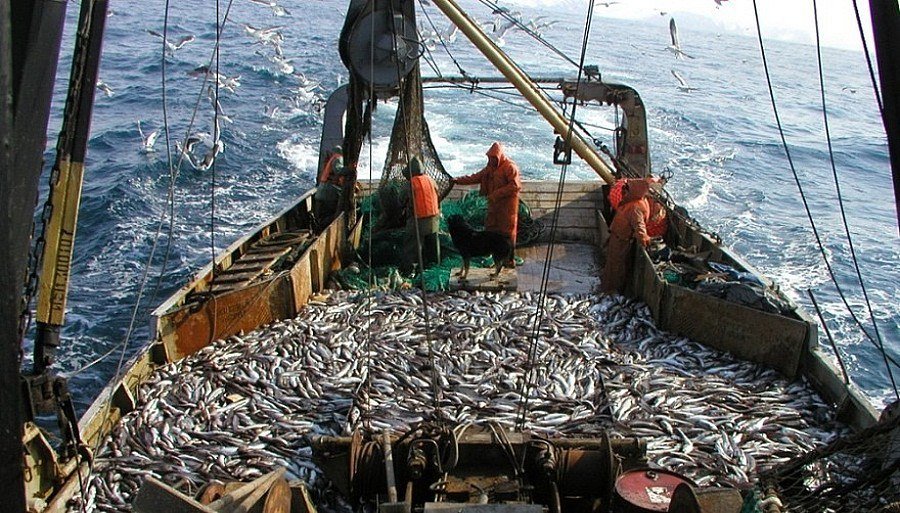
According to the General Administration of Customs of the People’s Republic of China, in the first quarter of this year, about 274.5 thousand tons of Russian fish products worth $676.7 million were imported into China. Compared to the same period in 2022, the volume of imports in physical terms increased by 32.9%, in monetary terms – by 28.4%.
However, as German Zverev, president of the All-Russian Association of Fisheries Enterprises, Entrepreneurs and Exporters (VARPE), notes, with the growth in supplies, the alarming trend towards a decrease in the cost of certain categories of fish products has also strengthened.
For example, supplies of fillet, minced meat and other fish meat increased by 11.5%, while the cost not only did not increase, but also decreased by 15.7%. The situation is similar with the supply of crustaceans to China: the volumes have almost doubled, and the revenue – only by 39%.
German Zverev believes that even now Russian fishery producers need to look for sales markets other than the main one, Chinese, in order to avoid a situation of “dictatorship of the buyer”, which puts suppliers at a disadvantage.
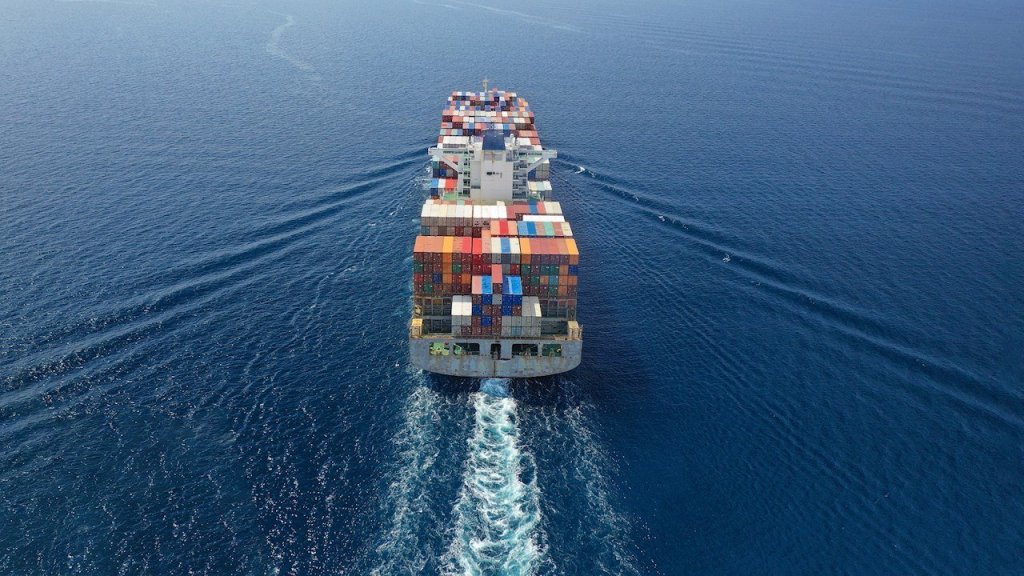
Today, a press conference at TASS was devoted to the opening of new regular container traffic between Russia and China along the Northern Sea Route (NSR). 5 ice-class vessels with a capacity of 1.2 thousand TEU to 2.5 thousand TEU will be supplied by a new Chinese shipping company: 4 container ships on the China-Kaliningrad-St. Petersburg line, and 1 more on the line with the port of Arkhangelsk. Transit time from China to Arkhangelsk will be 25 days.
As it was said at the press conference, the route through the NSR is shorter by almost 1 month compared to the route through the Suez Canal. “This means that now we will be able to bring goods from China to Russia and from Russia to China much faster and much cheaper. Of course, there are still many difficulties associated with navigation along the Northern Sea Route, but everything that is done is for the better. Now I would say “thank you” to Western companies for leaving,” said the head of a Chinese transport company specializing in transportation between Russia and China.
Transportation will last until October-November.
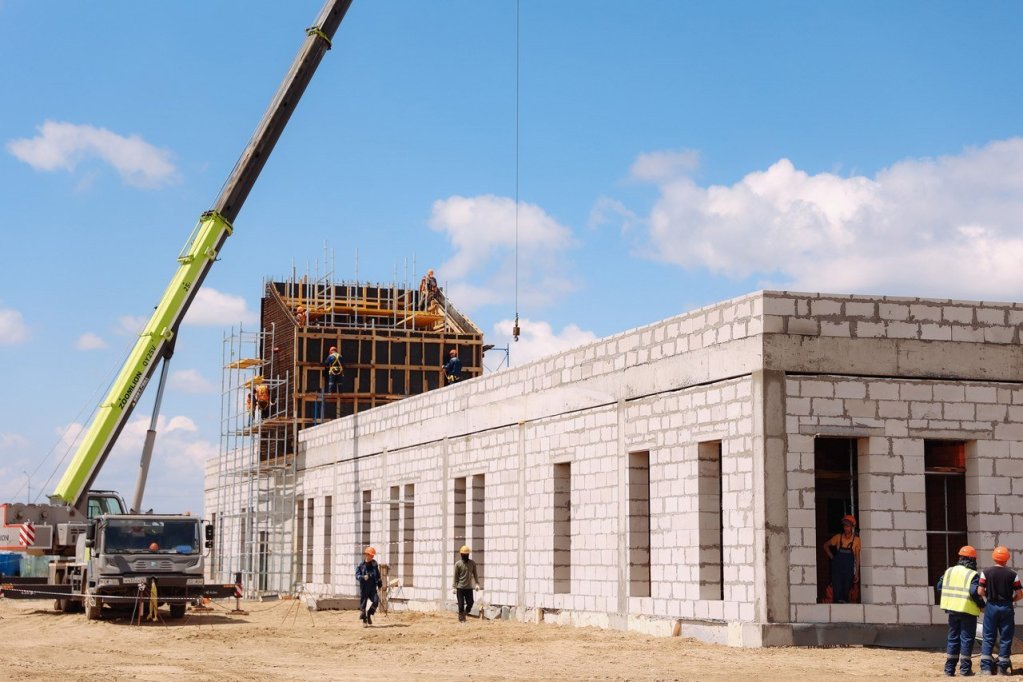
The cross-border bridge over the Amur between Blagoveshchensk and Heihe (PRC), opened in June last year, is still operating on a temporary basis. All types of control are carried out at the facility, equipped with modular structures. Its capacity is 190 trucks per day. For the operation of the border crossing at full design capacity, the construction of the main checkpoint “Kani-Kurgan” with a capacity of 862 vehicles and 5.5 thousand people per day is currently underway. According to the press service of Rosgranstroy, approximately 450 people are constantly working at the facility. Work is carried out around the clock.
By September, it is planned to launch several facilities that will allow accepting perishable goods in the bridge area. And by the end of this year, the infrastructure of the first stage, which is necessary to launch traffic lanes, will be completed. As for the second stage of reconstruction, it is promised to be completed by mid-2024.
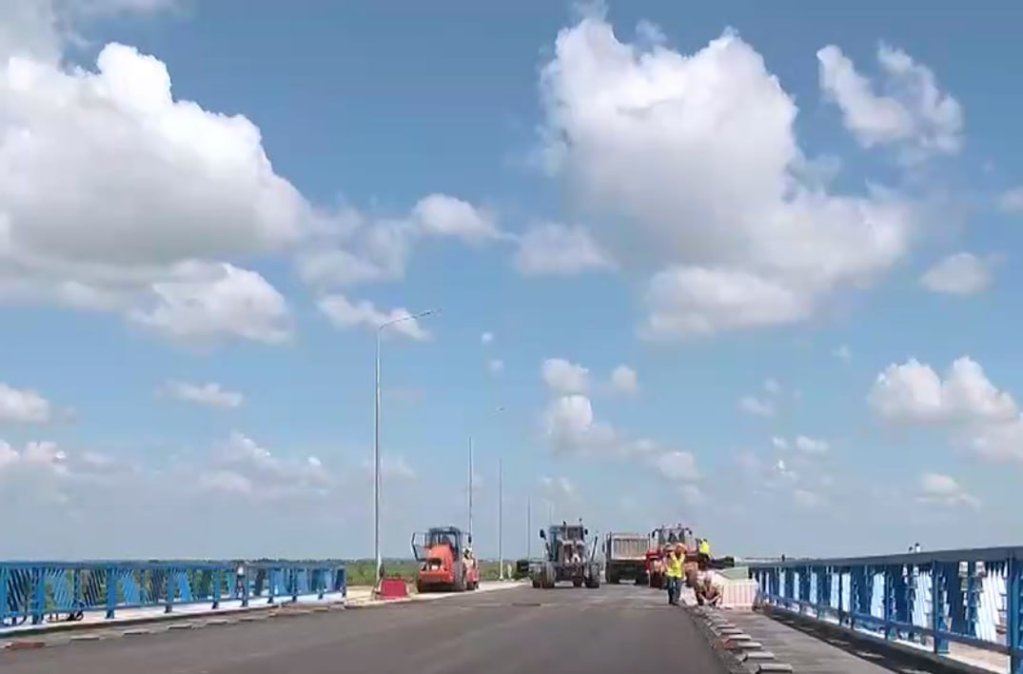
New bridge across the river Zeya in Blagoveshchensk may be opened in September. This was stated by the Governor of the Amur Region Vasily Orlov at a meeting with the Plenipotentiary Envoy of the President of the Russian Federation Yuri Trutnev. According to the head of the region, the long-awaited bridge was built a year ahead of schedule. Now the readiness of the crossing and access roads to it is more than 93%. The new road bridge will be based on 26 pillars and a cable-stayed structure. The total length of the facility will be 9 km, of which the bridge part occupies 2 km, and another 7 km are approaches to it, including two road interchanges. “We expect that in September it will be put into operation and will completely remove all problems with traffic jams and car traffic in this direction,” V. Orlov noted.
“… The importance of building cross-border facilities has increased significantly. And we, in fact, worked ahead of the curve, created the infrastructure to increase the volume of trade with the People’s Republic of China,” said Yury Trutnev.
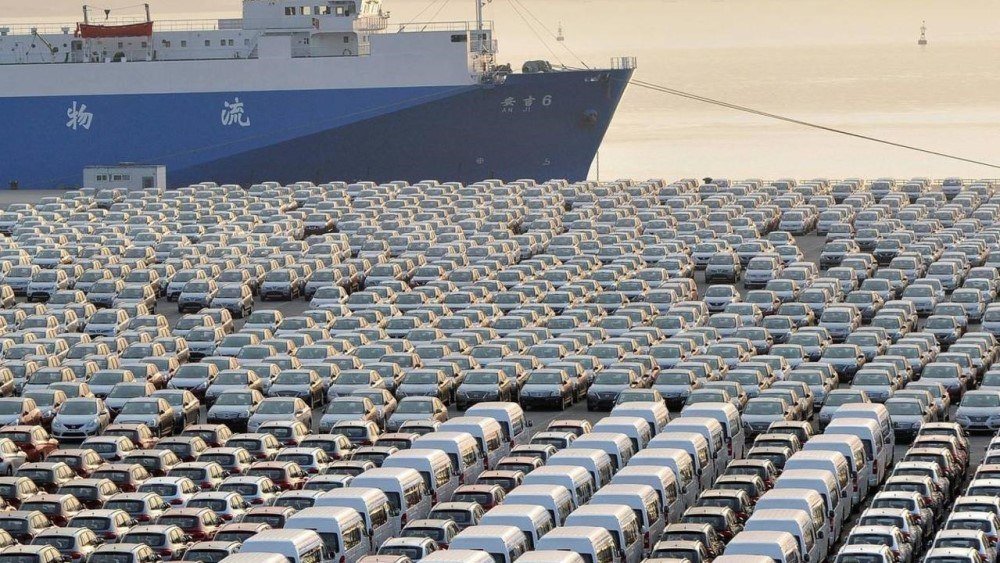
In the first half of 2023, Chinese manufacturers sold more cars in Russia than in the whole of last year, according to the Otkritie Avto study published today. In total, 168 thousand Chinese cars were sold on the Russian market, their share increased from 10.6% to 46% over the year. The brands belonging to the Chery group became the most popular. Experts suggest that Chinese manufacturers will sell 380,000-400,000 cars to Russian buyers this year. Also, the press service of Otkritie Avto reported that the number of Chinese car showrooms in Russia has almost reached 1.5 thousand.
Earlier, we wrote that in the first quarter of this year, China exported more than a million cars, for the first time taking a leading position in the world. Chinese automakers overtook Japan (954 thousand units), Germany (840 thousand units), and South Korea (750 thousand units).



You must be logged in to post a comment.