


Analysis of Iran’s Analysis
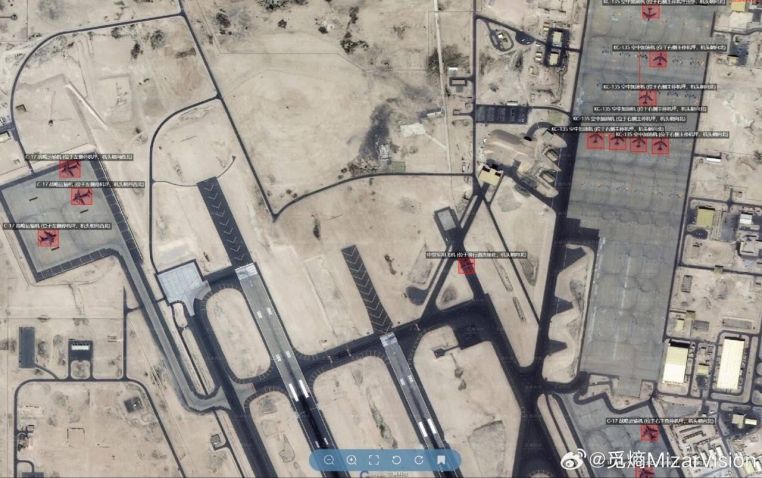
United States military forces maintain a posture for immediate kinetic action against Iranian nuclear and strategic infrastructure. The Pentagon ordered the relocation of personnel and high-value reconnaissance assets from primary bases in Qatar and Bahrain in late February 2026. Such movements mirror the tactical signature observed prior to Operation Midnight Hammer in June 2025. Military command structures shifted RC-135 Rivet Joint aircraft to the Mediterranean to ensure survivability during expected retaliatory volleys. Tactical indicators—including the deployment of mobile Patriot missile batteries and a surge in aerial refuelling tankers—demonstrate an offensive window opening between 28 February and 3 March 2026. The 10-day ultimatum issued by the executive branch remains the primary driver of this operational timeline.
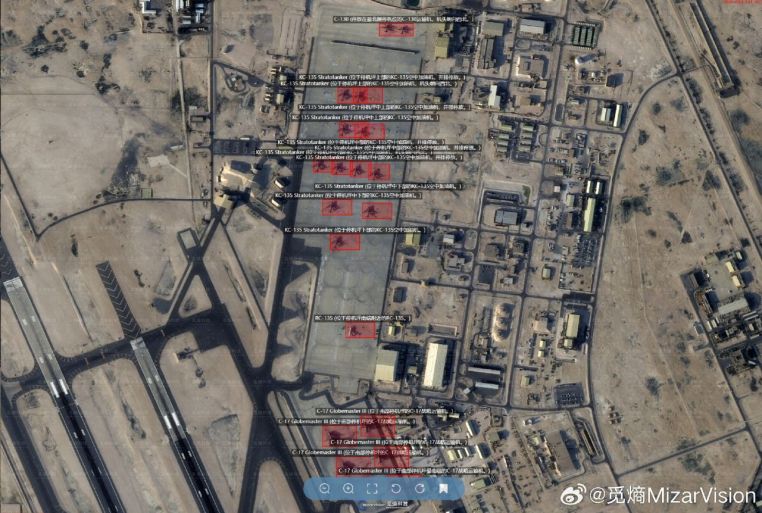
President Donald Trump leads the strategic effort through a policy of coercive diplomacy and the formation of the Board of Peace. The Secretary of Defence—Pete Hegseth—and the Chairman of the Joint Chiefs of Staff—General Dan Caine—manage the technical execution of the strike packages. Iranian Foreign Minister Abbas Araghchi attempts to delay the conflict through negotiations in Geneva while the Islamic Revolutionary Guard Corps prepares for regional retaliation. China—acting through the commercial satellite firm MizarVision—monitors American deployments to complicate strike planning and signal alignment with Tehran. Regional actors—including Qatar and Bahrain—host the necessary infrastructure while navigating threats from the Iranian regime.
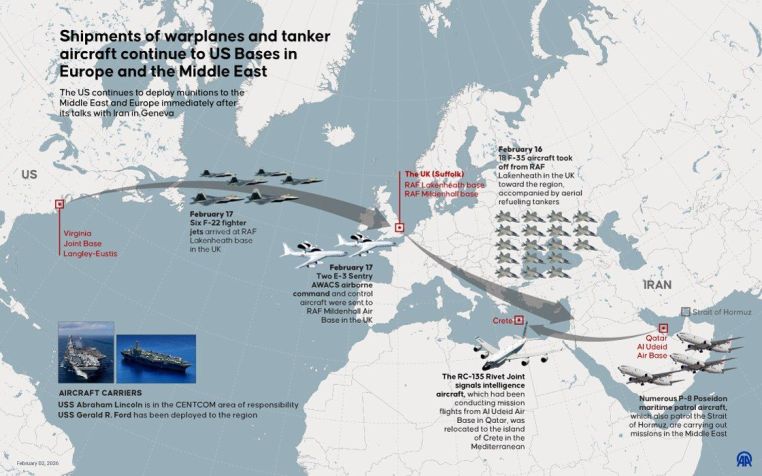
The United States has positioned two carrier strike groups—the USS Gerald R. Ford and the USS Abraham Lincoln—within striking distance of the Persian Gulf. These naval assets carry over 150 advanced aircraft and hundreds of Tomahawk missiles. Air Force units deployed F-22 Raptors and F-35 stealth fighters to forward bases in the Middle East and Europe. Satellite imagery confirms the presence of 18 KC-135 Stratotankers at Al Udeid Air Base—a significant increase from the baseline of five tankers earlier in the year. The primary objective is the permanent destruction or verifiable cessation of the Iranian nuclear weapons programme through either a signed agreement or a systematic air campaign. Iran maintains its refusal to meet demands for zero uranium enrichment and the dismantlement of its ballistic missile programme.
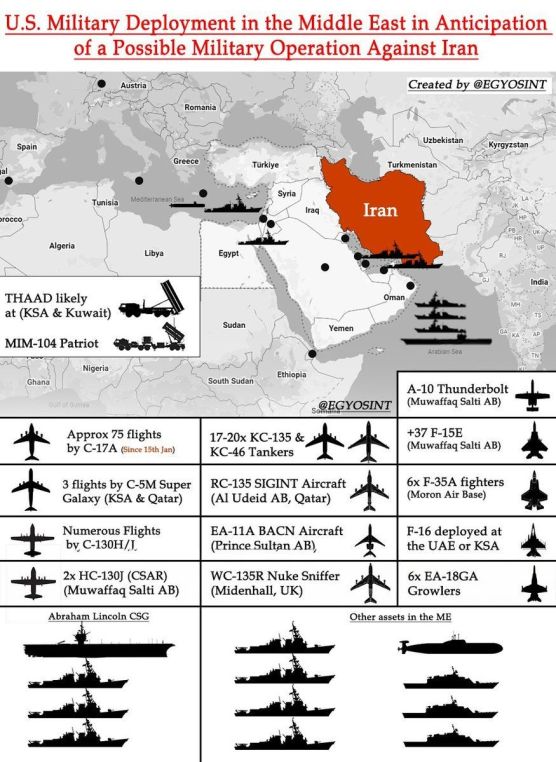
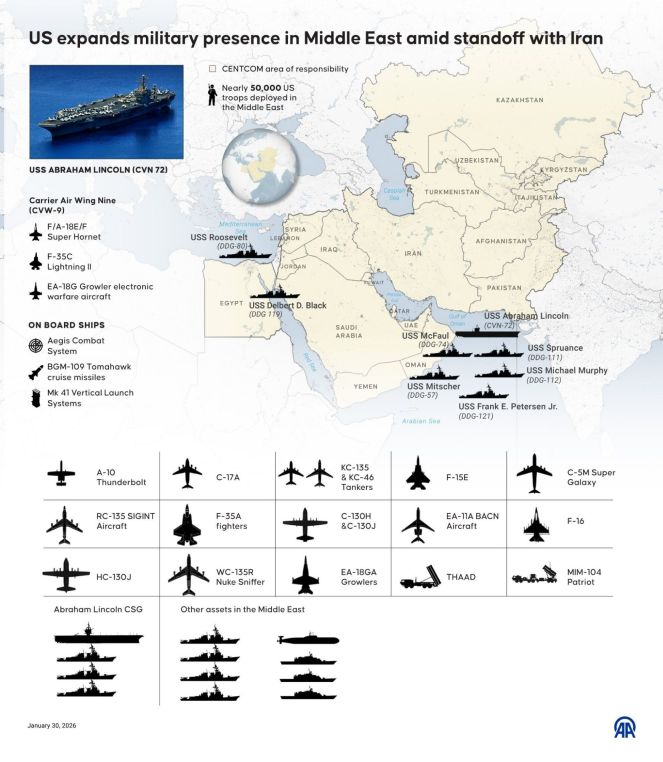
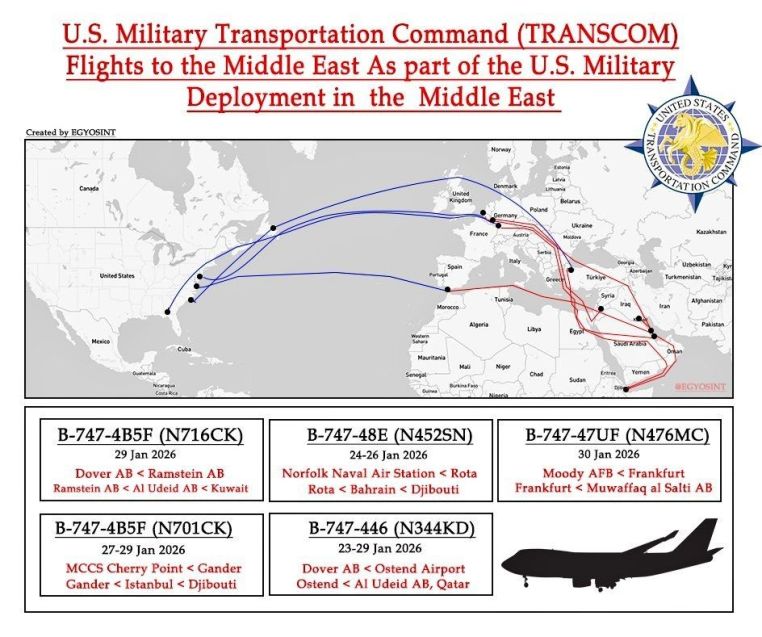
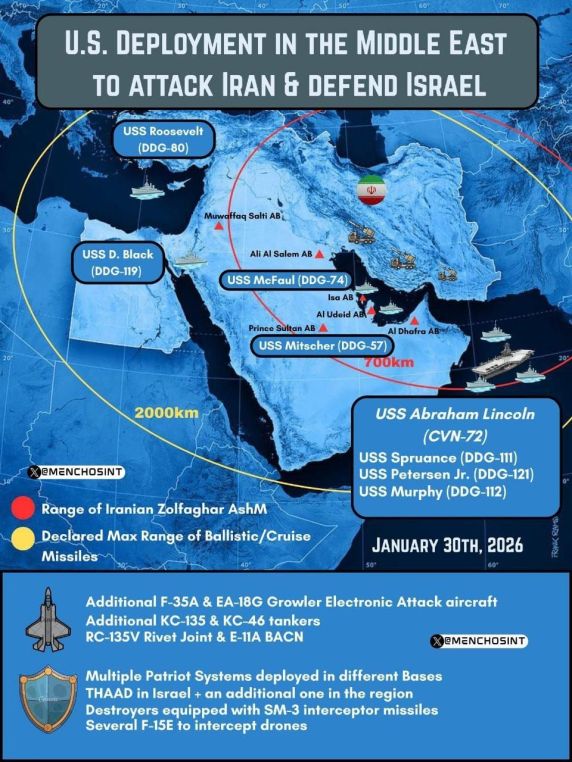
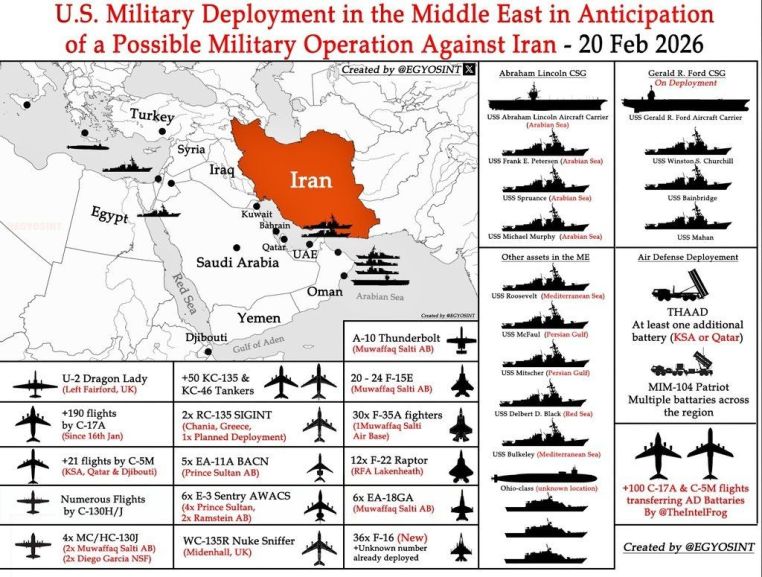
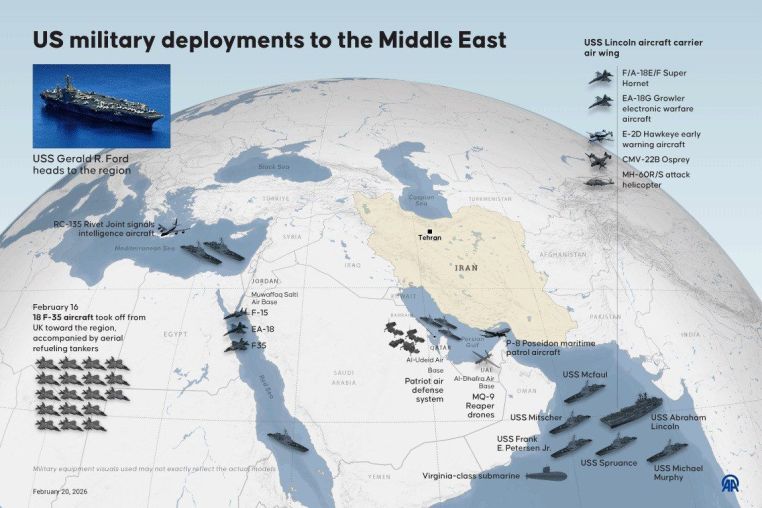
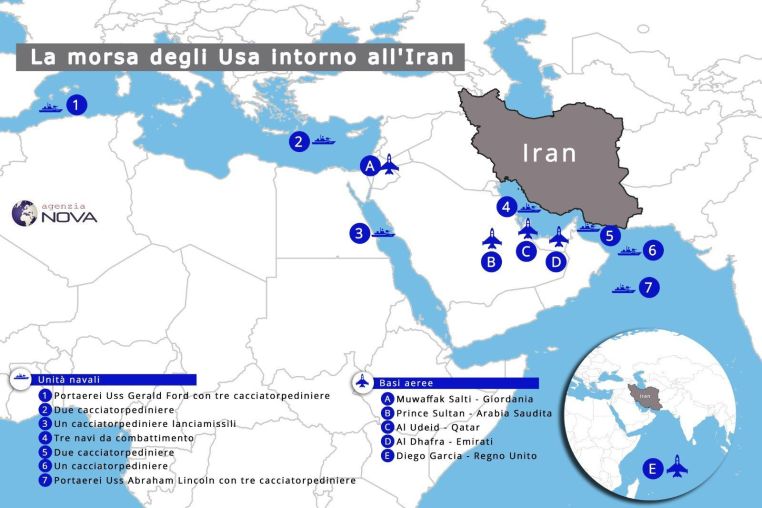
The failure of the Geneva talks and the expiration of the presidential ultimatum mean that the risk of a third major Middle Eastern conflict has reached its highest point in two decades. A strike on Iranian nuclear facilities will likely trigger a massive retaliatory response against American bases and global energy infrastructure. The shift to mobile Patriot batteries at Al Udeid indicates that the Pentagon views the threat of Iranian ballistic missiles as a certainty rather than a possibility. If hostilities commence—the impact on global oil prices and regional stability will be immediate and severe. The Board of Peace represents a new diplomatic architecture that intends to isolate Iran while providing a reconstruction framework for Gaza as an incentive for regional cooperation.
The current crisis coincides with the one-year anniversary of the second Trump administration and a reported impasse in negotiations regarding Iranian “red lines.” Iranian negotiators refuse to address concerns over regional proxy support and missile ranges. Reports from 18 February 2026 indicate that the regime is within months of attaining a nuclear device—despite the damage caused during the 2025 strikes. The executive branch seeks a definitive resolution before the Iranian program becomes irreversible. Internal unrest within Iran—following a major protest crackdown—creates a window of perceived regime vulnerability that American planners seek to exploit.
The immediate impacts include the evacuation of non-essential personnel from high-threat zones and the surge of global oil futures. Strategically—the conflict is likely to test the durability of American alliances in the Gulf as nations like Qatar and the UAE weigh the risks of hosting strike platforms. A successful strike package would delay the Iranian nuclear programme by years—yet a failure to destroy underground centrifuge halls would likely embolden the regime to accelerate its push for a weapon. The deployment of the GBU-57 Massive Ordnance Penetrator for the second time in history will define the future of bunker-busting warfare. Iranian retaliation is expected to involve the Strait of Hormuz—potentially disrupting 20 per cent of the global oil supply.
The United States conducted Operation Midnight Hammer in June 2025—striking Fordow—Natanz—and Isfahan. That operation involved seven B-2 Spirit bombers and resulted in a temporary ceasefire. Since that time—Iran has worked to repair its facilities and harden its defences. The current buildup surpasses the 2025 force package in both scale and diversity of assets. Negotiations in Geneva—facilitated by Oman—stalled on 17 February 2026. The Pentagon thinned out forces at Al Udeid and relocated signals intelligence assets to Crete to mitigate the risks of a surprise missile volley. Iran conducted joint naval drills with Russia on 19 February to signal its own readiness for maritime conflict.
The most likely scenario involves a multi-night air campaign targeting both nuclear facilities and command-and-control centres between 28 February and 3 March 2026. This operation will likely be more sustained than the 2025 strikes. A secondary scenario involves a last-minute Iranian concession to zero enrichment to avoid the strike—although intelligence analysts view this as improbable given the regime’s ideological constraints. A third—more dangerous scenario involves a broader regional war that pulls in Russian or Chinese support for Tehran—potentially leading to a global economic depression if the Strait of Hormuz remains closed for an extended period. Tactical readiness is at its peak—the decision now rests with the executive leadership.
Intelligence Analysis and Storyline
The Technical Signature of Imminent Action
The movement of specialised aviation assets provides the clearest indicator of a shift from deterrence to offensive operations. Analysis of flight tracking data and satellite imagery from January and February 2026 reveals a deliberate buildup of aerial refuelling and reconnaissance platforms. Al Udeid Air Base in Qatar serves as the central hub for these activities. Earlier in the year—the base hosted a minimal number of KC-135 Stratotankers. By early February—that number grew to 18 aircraft.
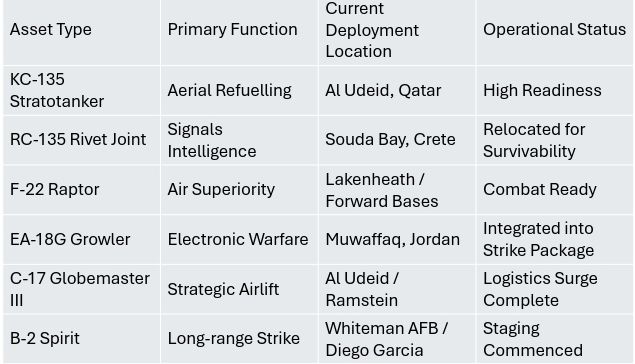
The relocation of the RC-135 Rivet Joint to Crete is particularly significant. This platform is slow and vulnerable to the advanced surface-to-air missiles that Iran possesses. Moving the aircraft to the Mediterranean preserves its ability to monitor Iranian communications while placing it outside the immediate reach of Iranian short-range ballistic missiles. Such a move is consistent with the “Red Line” doctrine—where high-value assets are protected before a known kinetic window begins. The arrival of EA-18G Growler aircraft in Jordan further confirms the preparation for a penetration mission into contested airspace. These planes specialise in jamming enemy radar and are essential for the first wave of any strike on hardened targets.
Mobility of Air Defence Assets
Forensic imagery analysis of the Patriot missile batteries at Al Udeid shows a transition from static placements to truck-mounted configurations. The launchers now sit on M983 Heavy Expanded Mobility Tactical Trucks. This change allows the batteries to relocate within minutes of a launch—increasing their survivability against Iranian counter-strikes. The Pentagon appears to have learned from the 2025 engagement—where Iran launched 14 to 19 missiles at the base. By making the defensive systems mobile—planners ensure that Iranian pre-programmed target coordinates will be obsolete by the time the missiles arrive. This tactical shift indicates that the US military expects to defend the base while simultaneously launching strikes—a high-intensity environment that demands maximum flexibility.
The Disinformation and Deception Environment
The reporting on evacuations from Qatar and Bahrain presents a classic case of cognitive influencing. The New York Times reported on 20 February that hundreds of troops were being pulled out of the region. CENTCOM and Fox News issued immediate denials—stating that no such evacuations occurred. Objectivity requires an analysis of why these conflicting reports exist. One possibility is a deliberate leak intended to signal to Iran that the strike is so certain that the US is already clearing the impact zone. This creates psychological pressure on the regime to negotiate.
Another possibility is that the withdrawals are not “evacuations” in the traditional sense but a “thinning out” of non-essential personnel to reduce potential casualties. By denying the report—CENTCOM maintains operational security while still achieving the reduction in force density. Forensic linguistics of the denials shows a focus on the word “evacuated”—which implies an emergency or abandonment. The military prefers the term “posture change” or “force adjustment.” This linguistic nuance allows the Pentagon to claim the report is false while still executing the movement of personnel. The underlying pattern remains clear—the footprint on the ground is changing to prepare for war.
Forensic Linguistics and the Semiotics of the Board of Peace
The transcript of the Board of Peace inaugural meeting in Washington reveals the strategic mindset of the current administration. President Trump uses transactional language—referring to the board as a “corporate board” and noting that countries must “purchase a seat” for $1 billion. This semiotic shift rebrands diplomacy as a business deal with enforced deliverables. The focus on the reconstruction of Gaza serves as a powerful incentive for Arab states to remain neutral during a strike on Iran. If a state joins the board—it becomes a stakeholder in the post-war order.
The use of the name “Board of Peace” for a body chaired by the president is a form of cognitive manipulation. It frames the military ultimatum as a necessary step toward regional harmony. The forensic analysis of the UN letter from Iranian Ambassador Amir Saeid Iravani shows a starkly different tone. He uses words like “unlawful,” “catastrophic,” and “legitimate targets.” The contrast in language indicates that the two sides are no longer speaking the same diplomatic tongue. Washington speaks the language of a “master plan” and “deliverables”—while Tehran speaks the language of “sovereignty” and “retaliation.” This disconnect makes a negotiated solution highly unlikely.
Lessons from Operation Midnight Hammer
The June 2025 strikes provide the necessary context for the current readiness. During that 12-day war—the US used 125 aircraft to strike Fordow—Natanz—and Isfahan. The mission was the first operational use of the GBU-57 Massive Ordnance Penetrator. While the Pentagon declared the mission a success—subsequent assessments showed that the Iranian nuclear programme was delayed by only two years. Centrifuges and uranium stockpiles were likely moved before the bombs fell.
The current buildup is significantly larger—with 150 aircraft and two carrier groups. This suggests that the next operation will not be a single raid. Planners intend to use the “sustained campaign” model—hitting the sites repeatedly to ensure total destruction. The addition of the F-22 and F-35 fighters to the theatre ensures air superiority—while the B-2 bombers provide the heavy lift for the bunker busters. The storyline of 2025 was one of “surgical precision”—the storyline of 2026 is one of “overwhelming force”.
Strategic Foresight—The 10-Day Window
The expiration of the ultimatum between 28 February and 3 March 2026 creates a narrow window for military action. The arrival of the USS Gerald R. Ford in the region completes the strike package. The deployment of the aircraft carrier—combined with the presence of the USS Abraham Lincoln—provides the capability to launch hundreds of sorties per day. This is a level of combat power not seen in the region for decades.
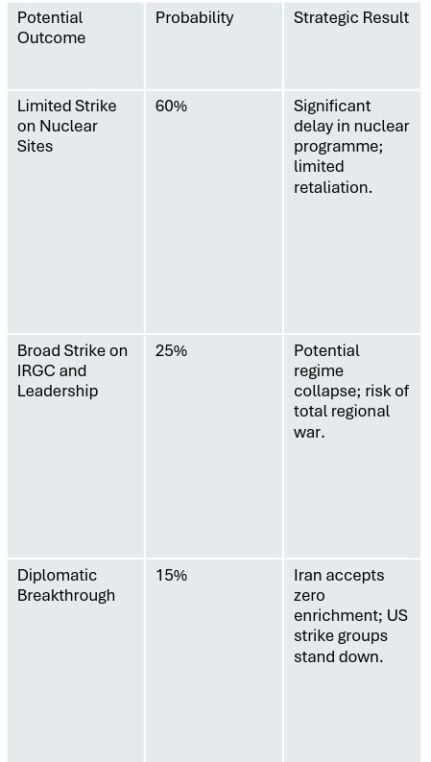
The most likely outcome remains the limited strike on nuclear sites. The administration has expressed a desire to avoid “endless wars” but remains committed to the “zero enrichment” goal. This tension leads to the “Midnight Hammer 2” strategy—a massive kinetic event designed to achieve a diplomatic result without a long-term ground occupation. The surge in oil tankers and the relocation of reconnaissance assets confirm that the tactical preparations for this event are complete.
Comprehensive Summary
United States Central Command is prepared for a large-scale aerial campaign against the Islamic Republic of Iran. The buildup of tankers—reconnaissance planes—and fifth-generation fighters at bases in Qatar—Jordan—and the Mediterranean indicates that an offensive window is imminent. The relocation of personnel and assets away from high-threat zones in Qatar and Bahrain serves as a prudential measure ahead of expected Iranian ballistic missile retaliation. Tactical shifts—such as mounting Patriot batteries on mobile trucks—demonstrate a sophisticated understanding of the Iranian threat profile. The failure of Geneva negotiations and the expiration of a presidential ultimatum provide the political catalyst for action. Operation Midnight Hammer in 2025 established the precedent—but the current force package suggests a more sustained and destructive mission. The Board of Peace represents a diplomatic effort to isolate Tehran while preparing for a post-conflict regional order.
Iran, United States, Strike, Al Udeid, Qatar, Bahrain, 5th Fleet, Midnight Hammer, Trump, Hegseth, B-2 Spirit, KC-135, RC-135, GBU-57, Board of Peace, Nuclear Enrichment, Geneva, Intelligence, Satellite Imagery, IRGC, F-22, F-35, Tomahawk, Strait of Hormuz, Oil Prices, Disinformation, Forensic Linguistics, Technical Analysis, Strategic Foresight.
Works cited
1. Hundreds of U.S. troops evacuated from bases in Qatar, Bahrain: report, https://english.news.cn/northamerica/20260221/d4deda377e52434793964e7df9d0193f/c.html 2. US Amasses More Airpower in Middle East with Dozens of Fighters, https://www.airandspaceforces.com/us-amasses-more-airpower-middle-east-iran/ 3. Satellite Imagery Reveals U.S. Shift to Mobile Patriot Deployments in the Gulf, https://www.israeldefense.co.il/en/node/67836 4. Increased US Diplomatic and Military Pressure Targets Iran, https://www.specialeurasia.com/2026/02/20/united-states-iran-pressure/ 5. Chinese PLA releases satellite images showing US military buildup near Iran – AzerNews, https://www.azernews.az/region/254697.html 6. ‘Deal would be a miracle’: US military buildup fuels uncertainty in Tehran | Iran International, https://www.iranintl.com/en/202602194742 7. ‘Historically successful’ strike on Iranian nuclear site was 15 years in the making – U.S. Army, https://www.army.mil/article/286669/historically_successful_strike_on_iranian_nuclear_site_was_15_years_in_the_making 8. Donald Trump Board of Peace Charter | Rev, https://www.rev.com/transcripts/board-of-peace 9. Inaugural Board of Peace Meeting: Opportunities, but No Shortage of Challenges, https://thesoufancenter.org/intelbrief-2026-february-20/ 10. U.S. Evacuated Hundreds Of Troops From Key Base In Qatar As …, https://www.latintimes.com/us-evacuated-hundreds-troops-key-base-qatar-standoff-iran-continues-594872 11. US used mobile launchers for missiles at Qatar base as Iran tensions rose, satellite pictures show, https://www.al-monitor.com/originals/2026/02/us-used-mobile-launchers-missiles-qatar-base-iran-tensions-rose-satellite 12. Exclusive: Satellite images reveal accelerating US military presence in Middle East; Chinese expert says it is difficult for Washington to replicate ‘Venezuela model’ in Iran – Global Times, https://www.globaltimes.cn/page/202601/1354537.shtml 13. US evacuates hundreds of troops from Qatar, Bahrain amid Iran tensions: Report, https://www.aa.com.tr/en/americas/us-evacuates-hundreds-of-troops-from-qatar-bahrain-amid-iran-tensions-report/3836259 14. The Gathering Storm: U.S. and Israeli Military Posturing and the Coming Reckoning with Iran, https://smallwarsjournal.com/2026/02/19/the-gathering-storm/ 15. President Trump Ratifies Board of Peace in Historic Ceremony, Opening Path to Hope and Dignity for Gazans – The White House, https://www.whitehouse.gov/articles/2026/01/president-trump-ratifies-board-of-peace-in-historic-ceremony-opening-path-to-hope-and-dignity-for-gazans/ 16. If attacked, U.S. bases in region would be ‘legitimate targets’, warns …, https://www.thehindu.com/news/international/iran-warns-us-bases-assets-legitimate-targets-if-it-attacks/article70654658.ece 17. Satellite Footage Shows Surge in U.S. Aerial Tanker Fleet in Qatar as Buildup Against Iran Continues – Military Watch Magazine, https://militarywatchmagazine.com/article/satellite-footage-us-surge-tanker-qatar 18. What Operation Midnight Hammer Means for the Future of Iran’s Nuclear Ambitions – CSIS, https://www.csis.org/analysis/what-operation-midnight-hammer-means-future-irans-nuclear-ambitions 19. Iran Update, February 19, 2026, https://understandingwar.org/research/middle-east/iran-update-february-19-2026/ 20. № 4 (6), 2025. US Strikes on Iran: Timeline and OSINT Damage Assessment – PIR Center, https://pircenter.org/en/editions/%E2%84%96-4-6-2025-us-strikes-on-iran-timeline-and-osint-damage-assessment/ 21. United States strikes on Iranian nuclear sites – Wikipedia, https://en.wikipedia.org/wiki/United_States_strikes_on_Iranian_nuclear_sites 22. Operation Midnight Hammer: Tactical Triumph or Strategic Illusion? – Finabel, https://finabel.org/operation-midnight-hammer-tactical-triumph-or-strategic-illusion/ 23. How effective was the US attack on Iran’s nuclear sites? A visual guide – The Guardian, https://www.theguardian.com/world/2025/jun/22/how-effective-was-the-us-attack-on-irans-nuclear-sites-a-visual-guide 24. US monitor Persian Gulf after considerable military build-up – Naval Technology, https://www.naval-technology.com/features/us-monitor-persian-gulf-after-considerable-military-build-up/ 25. Hamas says open to Gaza peacekeeping force, but rejects interference in ‘internal affairs’, https://www.timesofisrael.com/liveblog-february-20-2026/ 26. Live – Trump weighs Iran strike as report points to possible regime …, https://www.iranintl.com/en/liveblog/202602154712 27. US pulls some personnel from key Middle East bases amid Iran tensions – Gulf News, https://gulfnews.com/world/mena/us-pulls-some-personnel-from-key-middle-east-bases-amid-iran-tensions-1.500408420 28. Trump’s Board of Peace pledges billions of dollars, thousands of troops for Gaza, https://www.tpr.org/2026-02-19/trumps-board-of-peace-pledges-billions-of-dollars-thousands-of-troops-for-gaza 29. ‘Historically Successful’ Strike on Iranian Nuclear Site Was 15 Years in the Making – War.gov, https://www.war.gov/News/News-Stories/Article/Article/4227082/historically-successful-strike-on-iranian-nuclear-site-was-15-years-in-the-maki/ 30. Iran Threat Geiger Counter: A Probabilistic Approach; What is the probability that Iran will build nuclear weapons?, https://isis-online.org/isis-reports/iran-threat-geiger-counter-a-probabilistic-approach-what-is-the-probability-that-iran-will-build-nuclear-weapons


You must be logged in to post a comment.