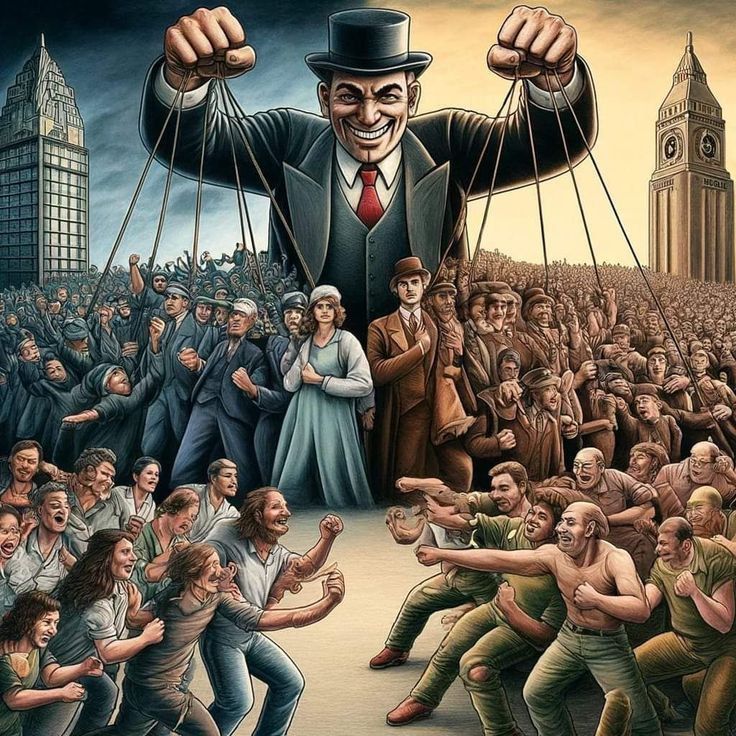
The image portrays power as theater. A smiling puppeteer towers over a divided crowd, pulling strings while groups turn against one another. Social networks function in the same way during cyber attacks that target perception rather than infrastructure. Attackers rarely seek system failure alone. Attackers seek behavioral reaction.
Cyber attacks on social platforms operate as psychological operations delivered through technical means. Adversaries design campaigns to provoke fear, confusion, and urgency. Emotional pressure replaces rational assessment. Audiences act first and verify later. Panic buying, bank runs, street protests, and targeted harassment often follow narratives rather than facts.
Rumor drives that process more effectively than any single exploit. False claims spread faster than corrections because rumor offers certainty in moments of stress. Repetition transforms speculation into belief. Screenshots replace evidence. Anonymous accounts manufacture credibility through volume and coordination. Real people then amplify the message, believing they act independently.
Classic hacking still plays a role. Account takeovers, data leaks, and website defacements provide raw material for narrative construction. A stolen email becomes proof of conspiracy. A manipulated database screenshot becomes evidence of collapse. Technical intrusion supplies artifacts. Information manipulation supplies meaning. Together they create momentum.
Information manipulation often outperforms technical compromise. Coordinated posting, bot amplification, selective editing of videos, and fabricated documents steer interpretation without touching a single server. Attackers hijack attention rather than networks. Algorithms reward engagement, not accuracy. Outrage gains priority over truth.
Narrative remains the decisive weapon. A coherent story binds fear, anger, and identity into a single direction of movement. Once a narrative frames events, facts struggle to escape it. People defend the story because the story now defends their sense of order.
Cyber attacks on social networks succeed when audiences mistake exposure for understanding. Resistance begins when individuals slow the tempo, question emotional triggers, and separate technical events from the stories built around them. Control over narrative determines outcomes long before any system goes offline.