

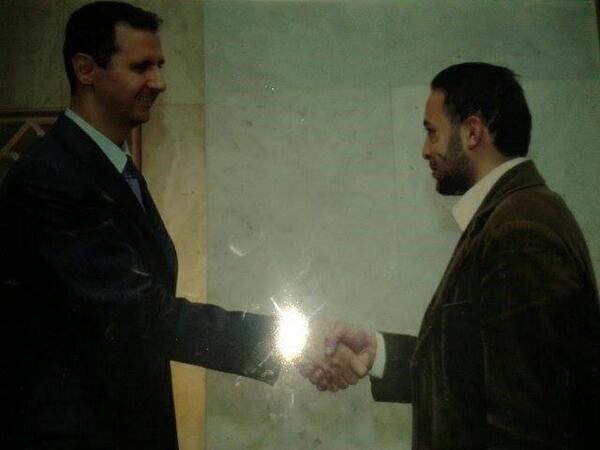


Haidar Zeighami embodies the grotesque corruption that metastasized under the Islamic Republic’s fraudulent shell of “revolutionary values.” He exploited proximity to clerical power and lineage ties to Ayatollah Sistani like a parasite, embedding himself in state-run economic infrastructure where accountability flatlined long ago. His rise from a Ba’athist Iraq-born insider to a regime-fattened bureaucrat highlights how theocracy and kleptocracy fused in Iran’s so-called Islamic governance.
His file reflects systemic abuse, not anomaly. Zeighami occupies multiple senior posts in IMIDRO, the National Iranian Steel Company, and Nord Trading Company, wielding unchecked authority across industrial and financial fronts. He weaponizes that bureaucratic sprawl as a personal fiefdom. The scale of theft is industrial, with luxury villas in Lavasan and Shemshak illegally rented through aliases for private enrichment—nearly ten billion tomans per year, all shielded under state silence and falsified documents.
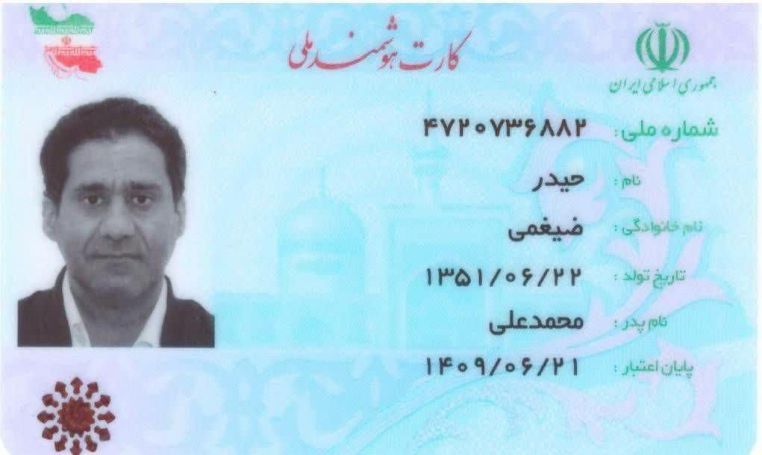
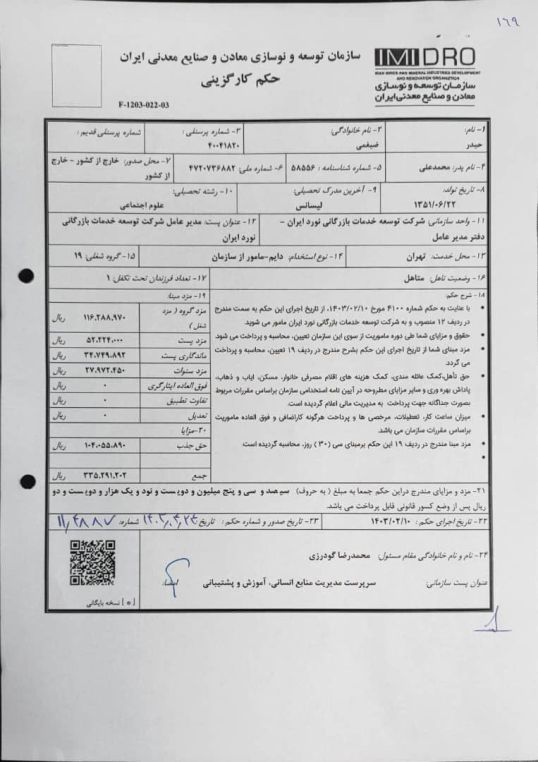
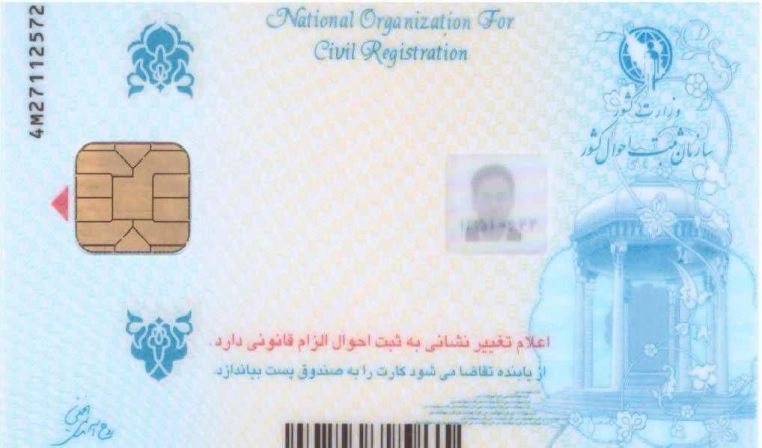
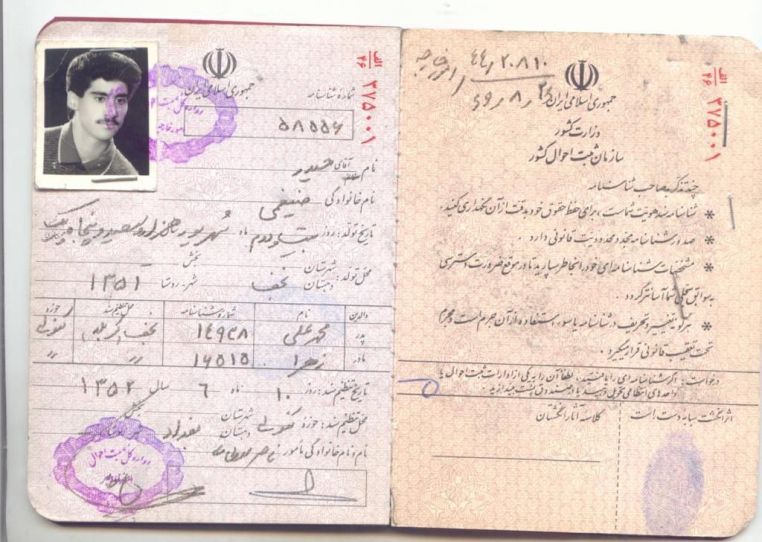
His abuse of public funds extends to every detail of his lifestyle, funded entirely by the treasury. Zeighami doesn’t pay for what he steals—he documents the theft. He treats organizational assets like personal belongings, dragging out inflated invoices, manipulated mission statements, and rubber-stamped approvals to justify excess under the guise of government work.
His control over the “Iman” newspaper in Qom shows how information warfare works internally in the regime. He uses it as a bludgeon against competing bureaucrats, not to serve the public but to extort compliance. Threats of exposure in the media—engineered by him—pressure rivals into silence or collaboration. He runs parallel influence operations from a provincial mouthpiece that operates more like a mafia-owned press than journalism.
His past use of government accounts to secure uncollateralized loans before the Treasury’s consolidation order confirms what Iran’s banking system has always facilitated—state-enabled fraud under the veil of administrative legality. The change in law didn’t end the theft. It only shifted it. Zeighami adapted. He continues to siphon resources using new financial conduits, newer paper trails, and newly purchased loyalty.
This is not just a case of individual corruption. Zeighami represents the normalized rot. He hides behind revolutionary slogans, exploits clerical ties, manipulates public trust, and lives off the national treasury while helping bankrupt the country. The regime protects him because he reflects it—a system that rewards the most skilled looters with medals, villas, and power.
Justice will not begin until individuals like Zeighami are unmasked, defunded, and prosecuted. His crimes are known. The names, titles, and forged legitimacy are all paper shields. That paper will burn.


You must be logged in to post a comment.