

Thirty to forty years ago, the introduction of the second generation of air defense systems sought to counter vulnerabilities seen in first-generation systems, which relied on fixed positions. These newer systems, identified as “moving platform-fixed position,” included platforms like Tesham, Sayad, 15 Khordad, Joshan, S-300, Mersad-16, and Cube (SA-6). Despite their advancements in mobility and operational flexibility, these systems still exhibited significant constraints in concealment and rapid displacement, which are critical in wartime.
Each of these systems included mobile components for launch and radar operations, designed to reposition quickly.
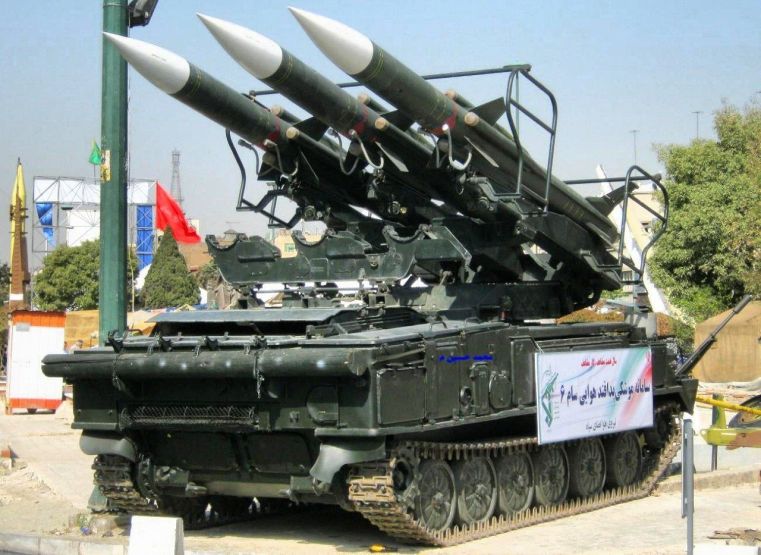
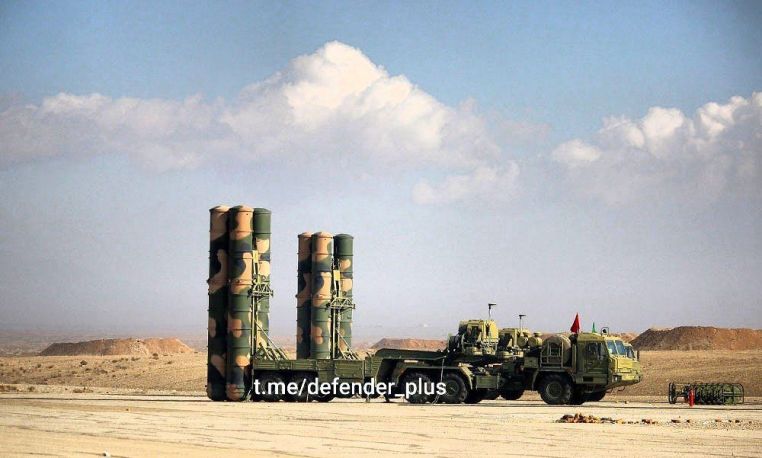
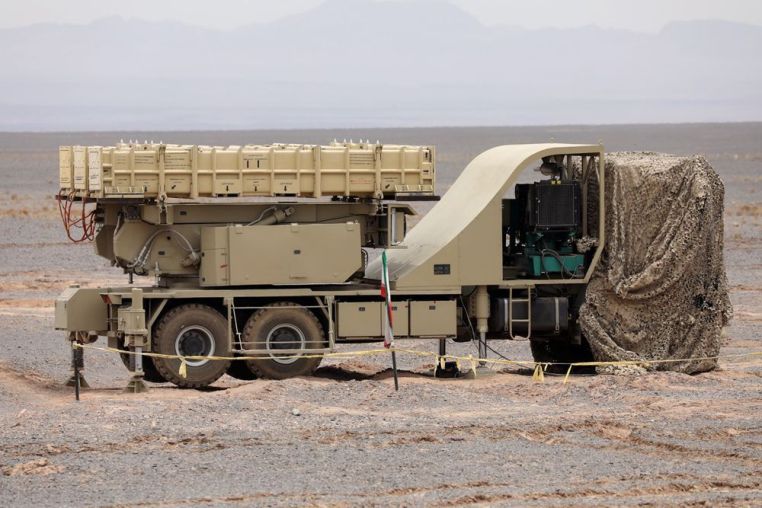
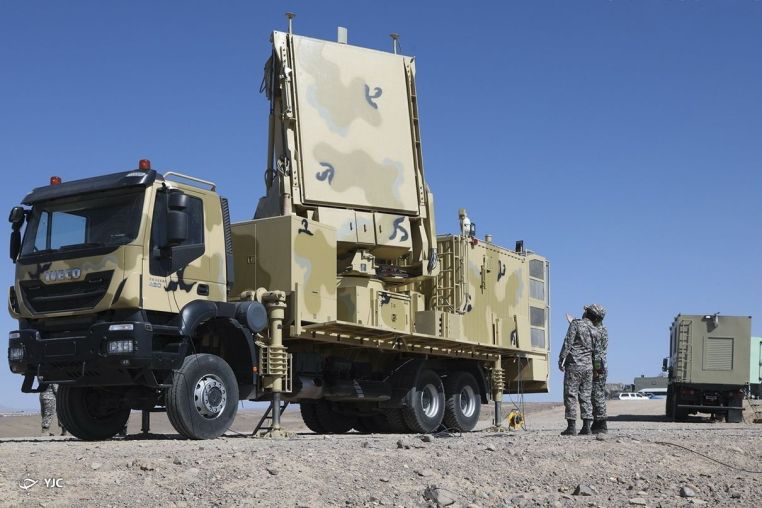
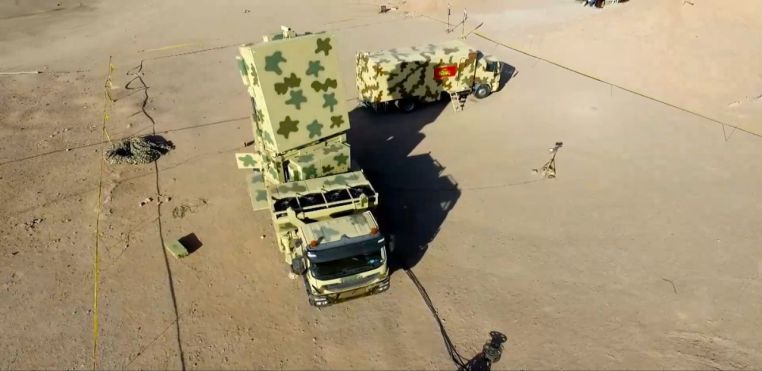
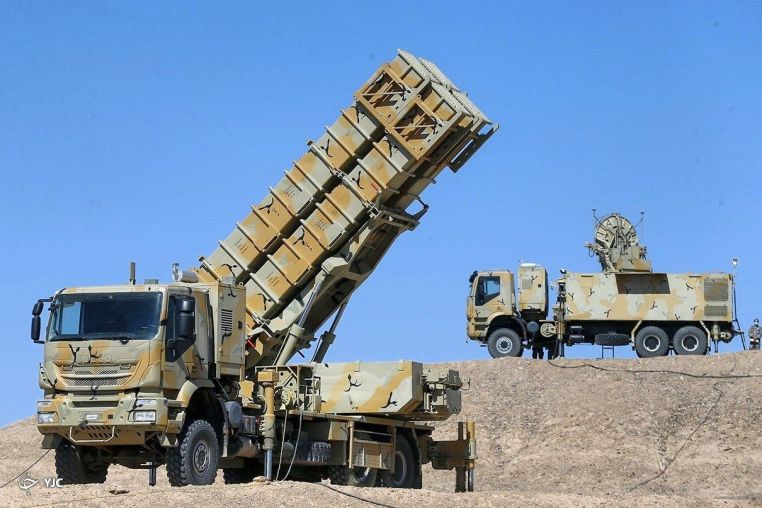
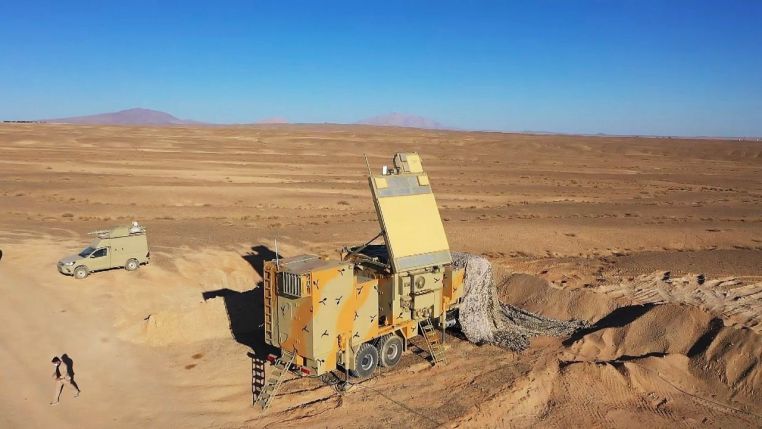
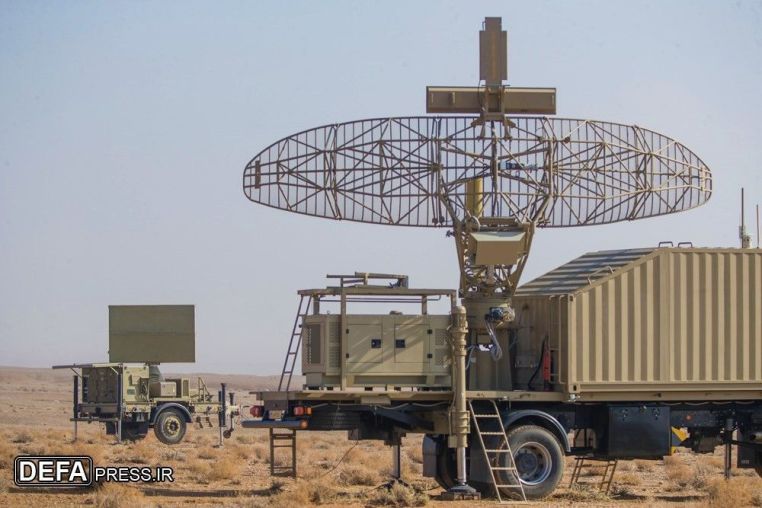
For example, systems like the S-300 and 15 Khordad featured launchers capable of reconfiguring firing positions in shorter timeframes, aiming to mitigate enemy targeting. Yet, the deployment of these systems depended on an array of support vehicles.
1. Radar Carrier Vehicle:
The radar carrier vehicle was essential for detecting incoming threats, often using phased-array technology in models like the S-300 and 15 Khordad. However, its continuous operation, movement patterns, and electromagnetic emissions made it susceptible to electronic intelligence (ELINT) and signal intelligence (SIGINT) tracking by adversaries, such as advanced U.S. or Israeli ISR capabilities.
2. Command Vehicle:
The command vehicle was the nerve center of these systems, handling target acquisition data and coordinating responses. Systems like the Sayad and Cube depended heavily on secure, real-time data links between command units and launchers. Despite encryption measures, signals from command vehicles remained detectable through signal triangulation, risking exposure.
3. Generator Vehicle:
Critical for powering the entire system, the generator vehicle represented a logistical challenge. Systems like Tesham and Mersad-16 relied on dedicated power sources that were often slow to set up and vulnerable to physical strikes. This was especially true in desert or mountainous terrain, where mobility was further restricted.
4. Launcher Vehicle:
Launcher vehicles, such as those seen in the Cube and Joshan systems, achieved mobility but at the cost of concealment. These vehicles had limited operational capacity for rapid relocation after firing, making them susceptible to counter-battery fire and precision-guided munitions (PGMs).
Although these systems reduced operational complexity by decreasing the number of vehicles required for deployment—from approximately 20 in the earliest systems to as few as 4 in models like 15 Khordad—the infrastructure and positions remained a significant vulnerability. Firing positions often needed extensive preparation, which ranged from digging missile pits to erecting support structures. These preparations became predictable and exposed when adversaries, using advanced reconnaissance satellites, like the American KH-11 and Chinese Yaogan series, scanned for anomalies and identified recurring signatures in deployment patterns.
Iran’s Sayad system, derived from the S-200, saw upgrades in its mobility features, allowing faster deployment. However, the extensive reliance on manual setup procedures in the Tesham and Joshan systems hindered concealment, with satellite imagery detecting vehicle movements and the layout of firing positions before full readiness. The Cube (SA-6), while renowned for its historical battlefield success in conflicts like the Yom Kippur War, struggled with concealment during modern ISR-focused conflicts, such as the recent hostilities in Ukraine. Russian forces deploying similar systems experienced substantial losses from drone strikes once firing locations were identified, illustrating the persistent vulnerabilities in these second-generation designs.
The limitations of these second-generation systems manifest prominently in conflicts against technologically advanced adversaries. For instance, Israel’s Iron Dome operators could quickly geolocate sites from which Iranian-linked systems launched missiles during exchanges with Hezbollah in Lebanon. The tracked launch sites then became targets for precision strikes by Harop loitering munitions or F-35 aircraft, exploiting the time these systems needed to establish and secure firing positions.
The systems’ dependence on ground-based support infrastructure, including power grids and established command networks, has also faced sabotage in asymmetrical warfare scenarios. For example, U.S.-backed cyber operations targeting Iran’s air defense networks exploited gaps in generator setups and command vehicle operations, degrading overall system response times. As long as these systems require significant physical infrastructure and extensive preparatory actions, they will remain vulnerable to early detection and preemptive strikes, necessitating further evolution toward smaller, faster, and more autonomous air defense solutions.



You must be logged in to post a comment.