




According to Vepr’s technical documents, the need to work out precisely these areas is explained by the “task to seize the information initiative. <…>

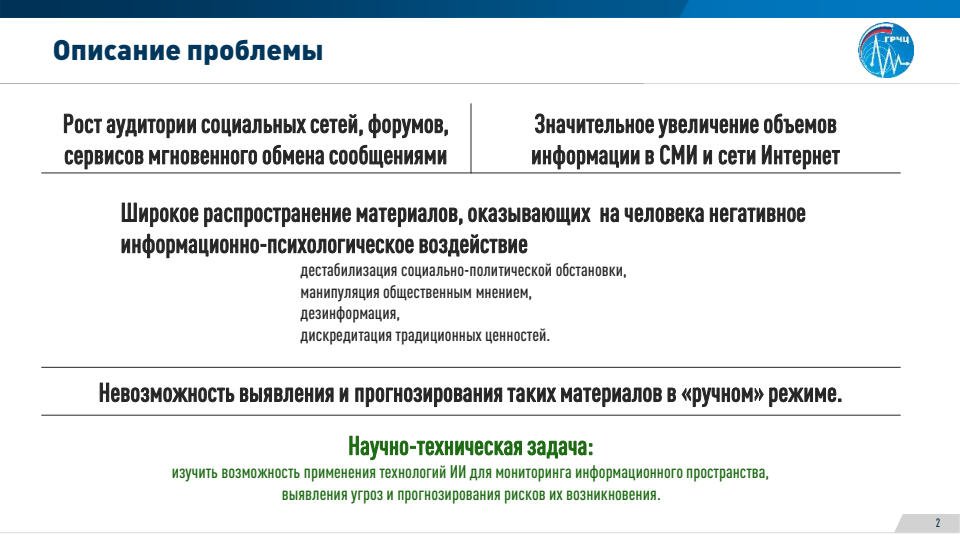
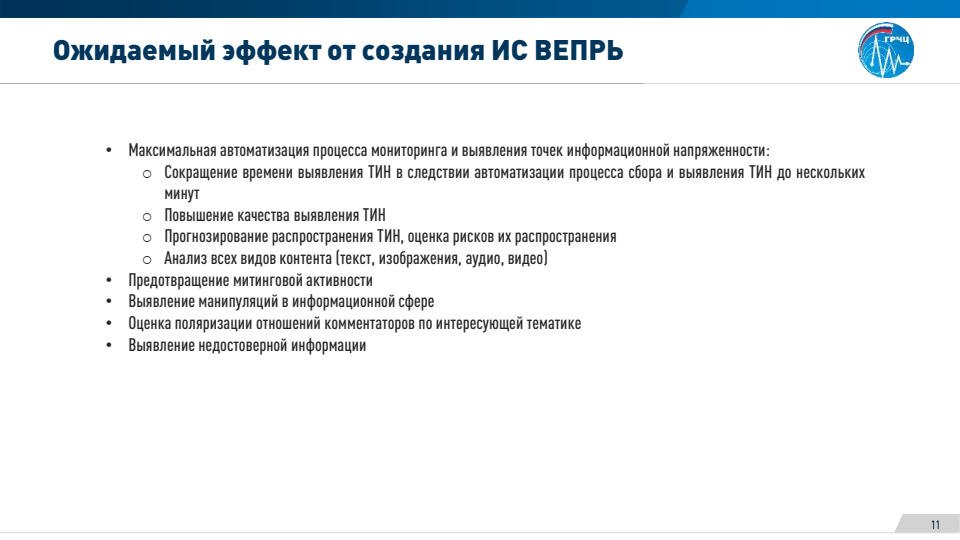
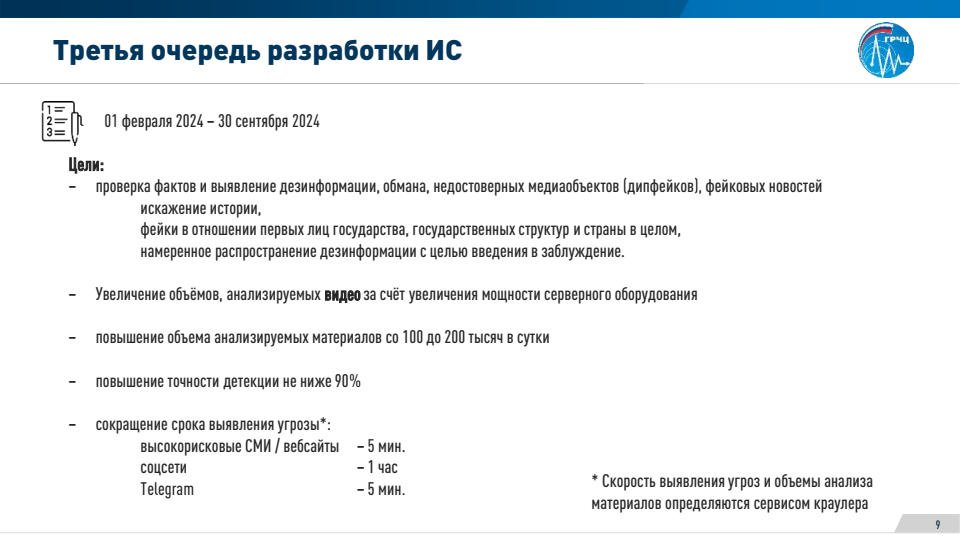
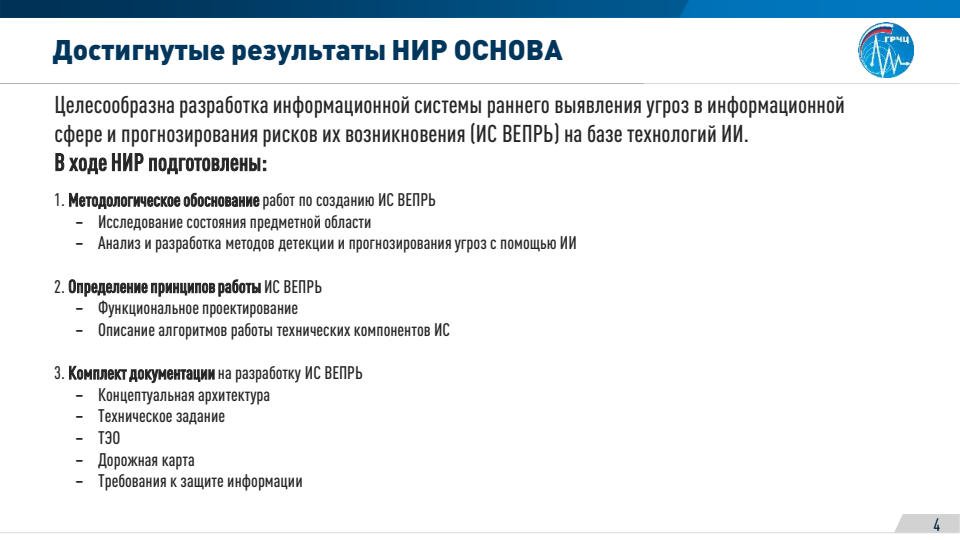
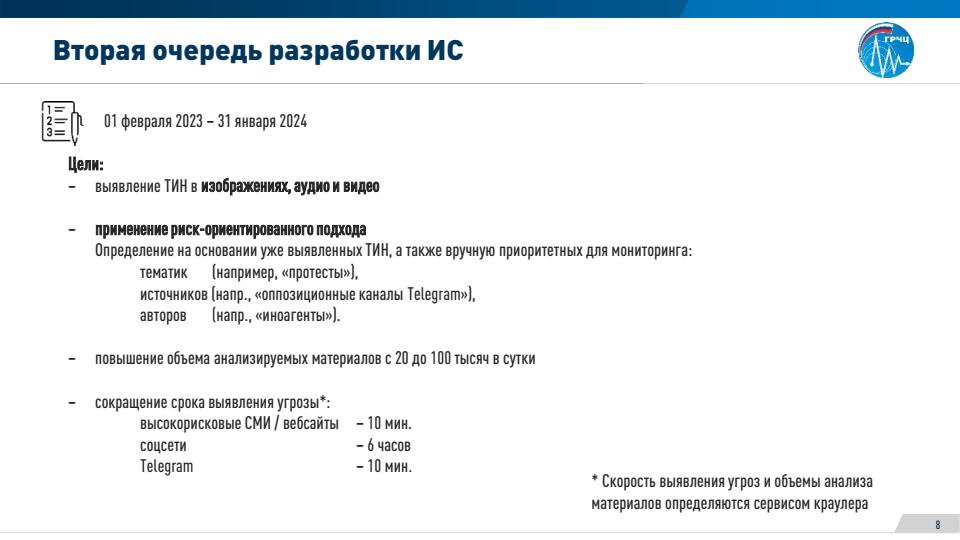
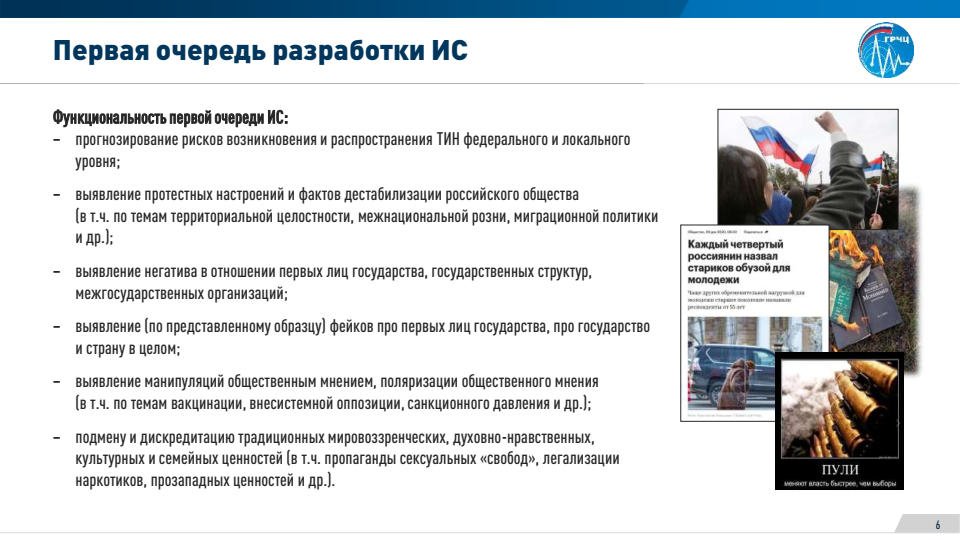

The experience of the mid-1980s in the USSR (the so-called perestroika) showed that “sleeping” TINs (points of information tension) tend to grow rapidly if they are activated and deliberately promoted. To respond to threats, it is necessary to have complete information on each FIN in order to ensure prompt (i.e., timely) decision-making processes.”
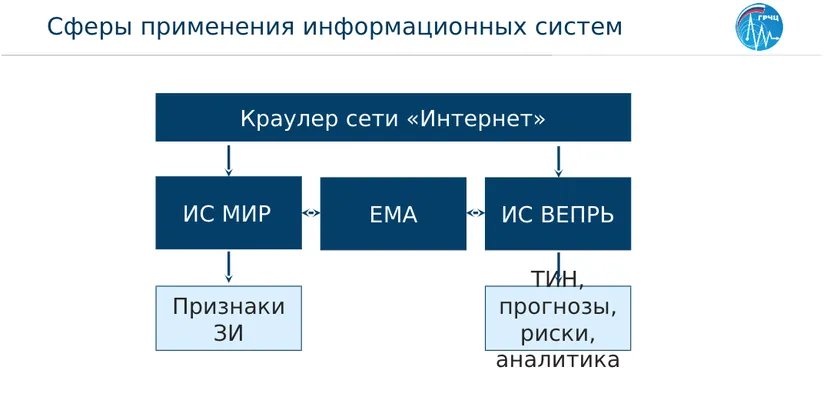
The information system for monitoring Internet resources (MIR) based on natural language processing (NLP) technologies should find prohibited information in texts. According to the developers’ plan, the system should be able to:
- identify names, names of locations and organizations; the tone with which they are mentioned (negative, positive or neutral);
- distribute messages by stories, topics, headings;
- look for mirrors of blocked sites and reprints of materials;
- track the distribution of material from the original source;
- predict the distribution of material and its traffic;
- determine the facts of “manipulation of opinions” and “stimulation of the polarization of opinions”;
- predict the socio-demographic characteristics of the audience of the publication – the distribution of the audience by gender, age, education and income level.
Vepr is only part of a complex censorship machine that Roskomnadzor is implementing.
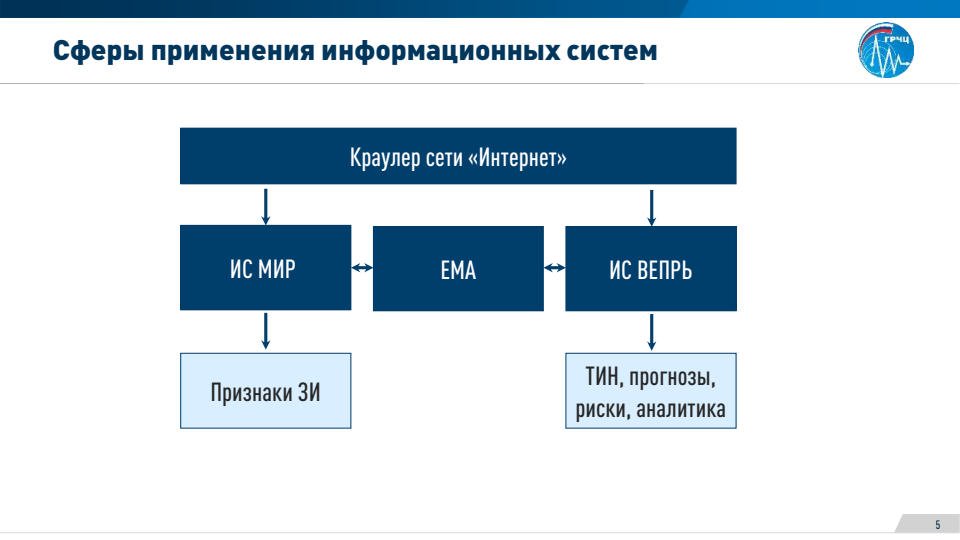
In general terms, its architecture will look like this: a general crawler ( a program that automatically collects information on the Internet. – Ed. ) unloads texts, audio, images and videos from social networks, media and search results, and then these files go to the Unified analysis module ( EMA ). With the help of neural networks, it should, firstly, identify prohibited information, and secondly, forecasts and analytics should be built (which Vepr will do).
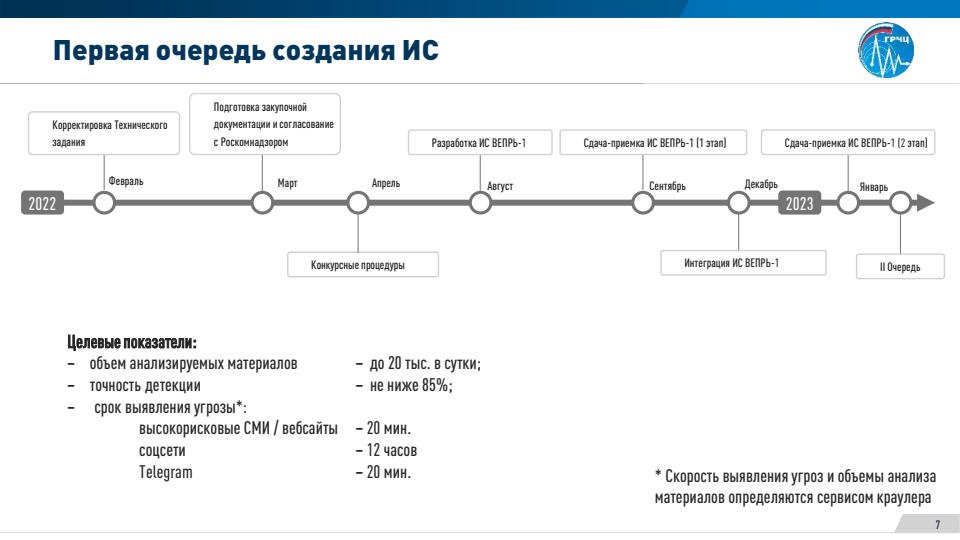
Then it was planned that neural networks would be able to find prohibited information in texts with “calls for the violent overthrow of power”, “insulting the president”, “fakes about the president and the state”, “propaganda of non-traditional sexual relations” by 2023.

Comment on “Roskomnadzor plans surveillance of the entire Russian-speaking Internet using artificial intelligence”
Comments are closed.