Influence campaigns rarely rely on trolls alone. Trolls represent only the visible edge of a much larger system. Alongside them operate ordinary users who believe they act independently. These individuals comment often, share confidently, and repeat claims without intent to deceive. Attackers depend on that behavior more than on any coordinated account farm.
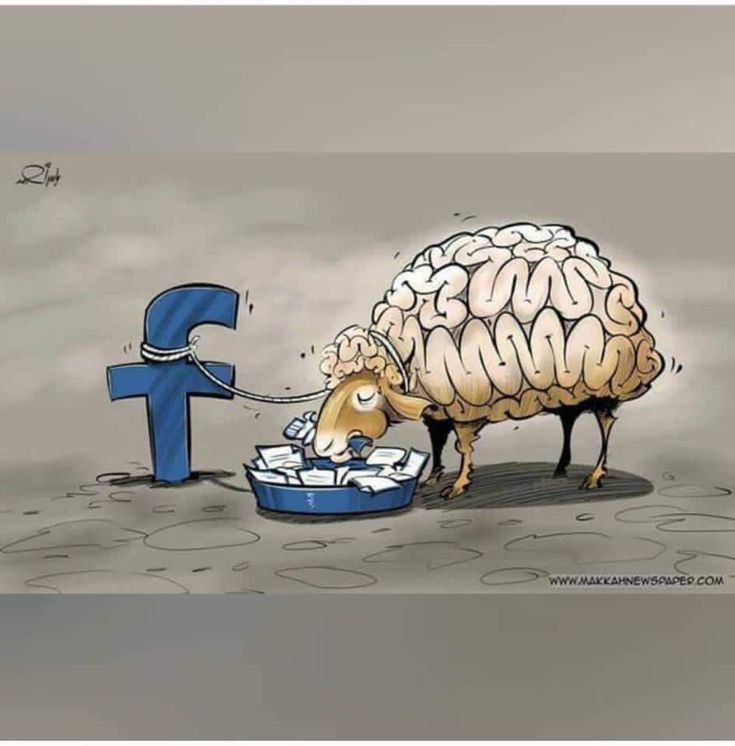
So called useful participants amplify narratives through routine habits. A headline sparks outrage. A post triggers fear or hope. Sharing feels harmless and even responsible. Each repost strengthens reach and credibility. Algorithms register engagement and reward it with further visibility. Influence spreads through social proof rather than coercion.
Distinction between trolls and unwitting amplifiers remains difficult because behavior overlaps almost perfectly. Language matches. Sources match. Emotional tone aligns. Trolls push deliberately. Others echo sincerely. From the outside, both appear identical. Attribution fails at the behavioral level and requires intent analysis rather than surface content.
Attackers exploit that ambiguity. Trolls seed narratives early. Unwitting users normalize them later. Repetition erases origin. Familiarity replaces skepticism. Over time, the narrative no longer feels external. The narrative feels organic and shared. That transition marks success.
Information environments reward participation over caution. Speed outruns verification. Emotional alignment outruns evidence. Social belonging outruns doubt. Under those pressures, ordinary users become force multipliers without awareness or consent.
Defense begins with discipline rather than detection alone. Slower engagement reduces amplification. Source evaluation interrupts narrative momentum. Emotional self awareness limits reflexive sharing. Influence loses power when audiences refuse to confuse sincerity with accuracy.