

Protecting Putin. Shielding Tehran. Abandoning Ukraine. The Trump administration didn’t just look away?
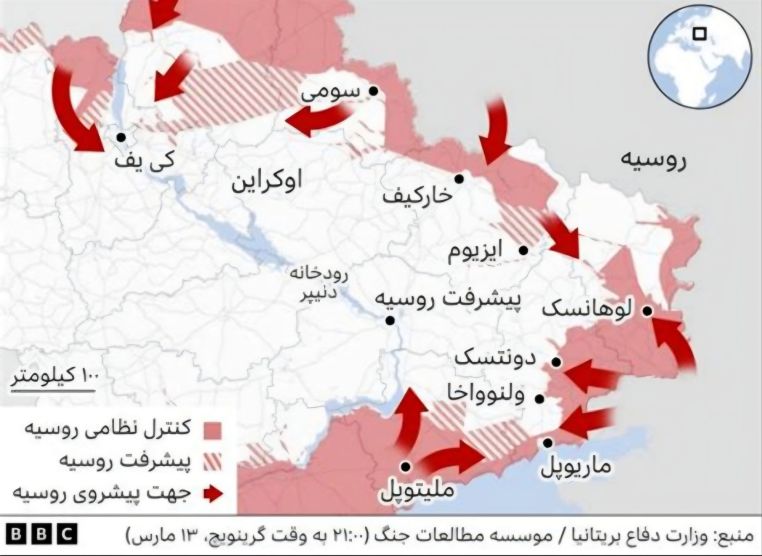
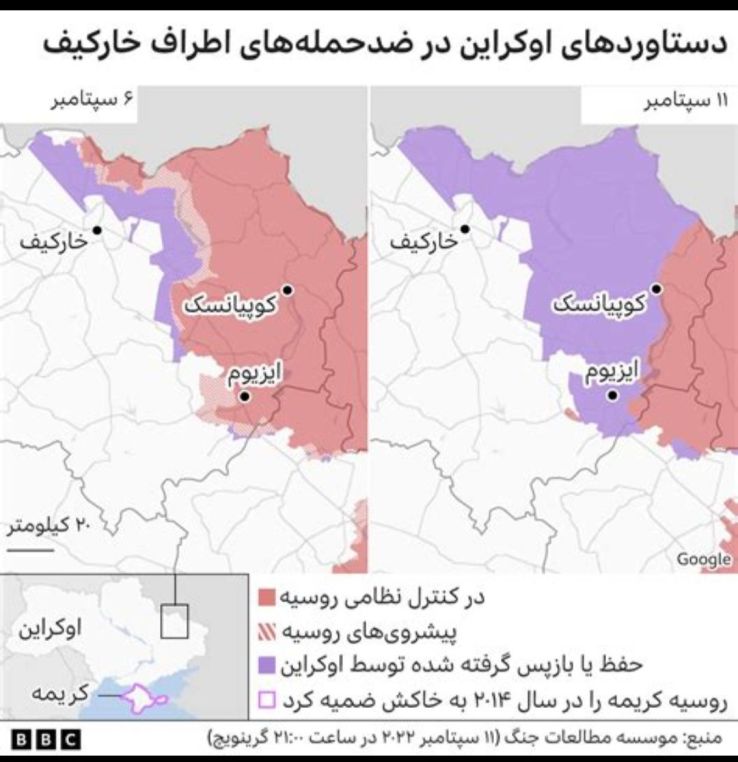
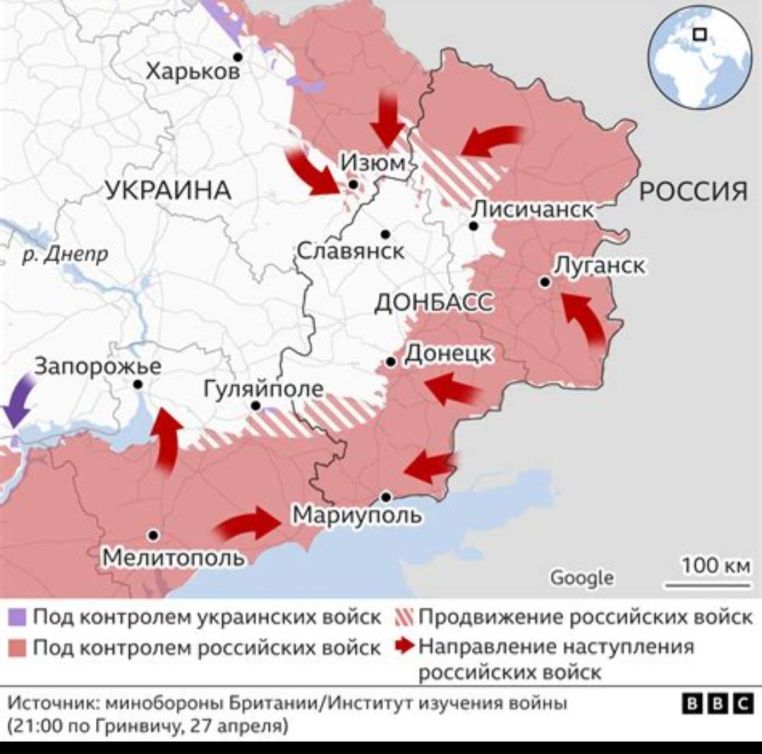
A recently circulated video, first published by the Iranian outlet Ansar News Agency and later disseminated on Telegram and other Persian-language platforms such as Aparat and Cloob, appears to show an Iranian national in military attire operating alongside Russian forces inside Ukraine. While the precise status of the individual remains unverified—whether a formal combatant, military advisor, or irregular volunteer—the footage has led many analysts to assess it as a potential indication of an expanded Iranian presence in the conflict zone. If confirmed, such an engagement would mark a shift from earlier patterns of indirect support, such as the provision of Shahed-series drones, to a more direct form of cooperation.
Iran’s reported contributions to Russia’s war effort—most visibly through drone technology, advisory roles, and logistical coordination—have already drawn international condemnation. The presence of an Iranian individual on the battlefield could suggest a deepening of this partnership and, according to some assessments, a further blurring of the lines between support and participation. That possibility, if verified, raises questions about the evolving nature of Iran’s military cooperation with Russia and its broader strategic ambitions.
In light of this development, renewed attention has turned toward how previous U.S. administrations, including the Trump administration, managed information concerning Iranian and Russian alignments. Publicly available reporting, declassified records, and expert commentary from the period suggest that the administration prioritized certain diplomatic and strategic outcomes that may have required a degree of narrative control. Observers have long noted a preference for maintaining open communication channels with President Vladimir Putin and a desire to renegotiate nuclear terms with Iran under revised frameworks.
While no public documentation confirms that the administration actively withheld knowledge of specific deployments or engagements, analysts point to a pattern of behavior that included cautious rhetoric toward Russia, inconsistencies in public and private statements about Iran, and a general reluctance to escalate confrontation with either actor during sensitive periods of negotiation.
Strategic ambiguity, a hallmark of that administration’s foreign policy style, often left gaps in public understanding that, in hindsight, complicate assessments of intent and alignment. Some experts contend that the combination of withheld briefings, shifting intelligence practices, and personnel decisions related to oversight efforts may have contributed to a perception of selective transparency.
Any potential coordination between Iran and Russia—especially involving battlefield presence—underscores the complexity of managing multiple adversarial relationships simultaneously. It also presents new challenges for policymakers seeking to balance transparency with operational discretion. Questions persist among analysts as to whether diplomatic incentives during past negotiations, particularly concerning Iran’s nuclear program, affected the timing or nature of disclosures related to allied or adversarial military actions.
https://cybershafarat.com/?p=90535
This review does not suggest illegal activity, nor does it claim deliberate concealment of material intelligence. Rather, it evaluates the implications of perceived information gaps, rhetorical inconsistencies, and the management of sensitive relationships during a time of overlapping geopolitical crises. The cumulative effect of those dynamics continues to shape the discourse surrounding foreign policy choices and the obligations of transparency and accountability in the context of national security.
The confluence of emerging battlefield imagery, historical reporting patterns, and the complex diplomatic calculus of the past decade calls for further clarification through official channels. Continued public scrutiny, supported by access to classified materials as they become available, remains essential to understanding the full extent of foreign involvement in the Ukraine conflict—and the U.S. policy responses shaped around it.
Silence here signals complicity?

Comment on “Iranians Fighting in Ukraine along side Russians”
Comments are closed.