


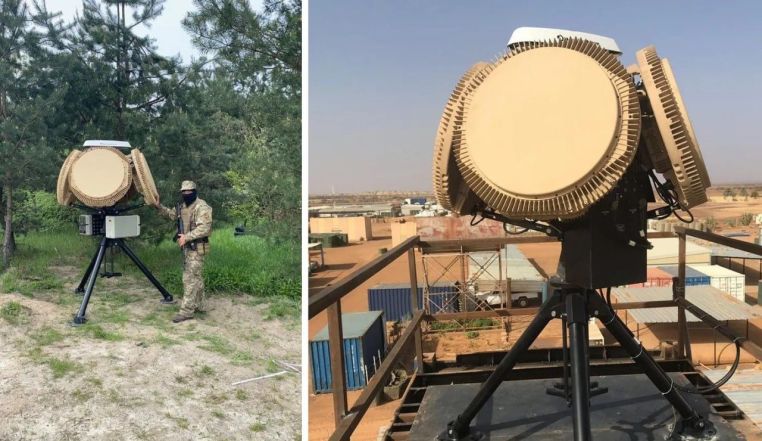
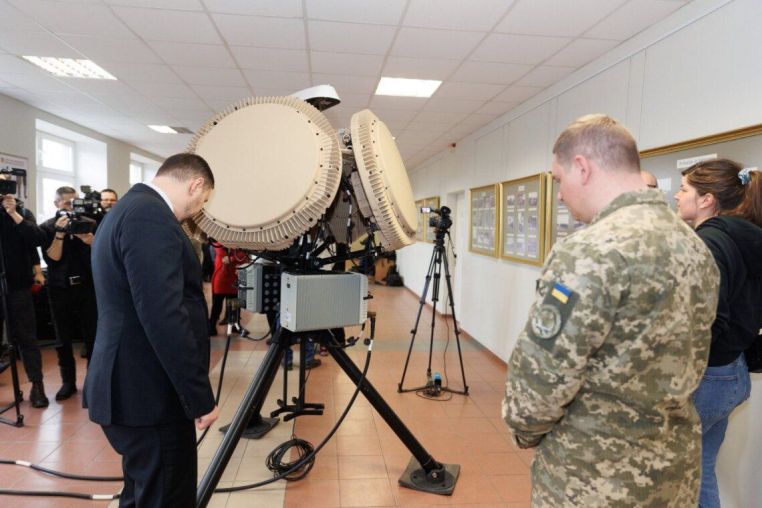
Russian forces report significant losses of long-range reconnaissance UAVs, including Orlan, Zala, and Superkam models, due to Ukrainian anti-aircraft FPV drones. They attribute these losses to the deployment of Israeli-made RADA ieMHR radars by Ukrainian forces, which enhance the detection and targeting of Russian UAVs. The destruction of these UAVs has reduced the effectiveness of Russia’s Lancet strike drones, which rely on Zala for reconnaissance. Consequently, Russian sources emphasize the urgency of neutralizing these radars to restore their UAV operational capabilities.
Russian military units operating long-range reconnaissance UAVs. Ukrainian forces employing anti-aircraft FPV drones and RADA ieMHR radars.
Russian forces are experiencing substantial UAV losses due to Ukrainian anti-aircraft FPV drones. They identify the RADA ieMHR radar systems as critical enablers of these Ukrainian defenses. The losses have diminished the operational effectiveness of Russia’s Lancet strike drones. Russian sources advocate targeting these radars to mitigate UAV losses and enhance strike capabilities.
The degradation of Russian UAV capabilities hampers their reconnaissance and strike operations, potentially affecting battlefield intelligence and precision targeting. Targeting Ukrainian radar systems may become a strategic priority for Russian forces to regain aerial operational effectiveness.
The increased procurement and deployment of FPV drones by Ukraine, coupled with advanced radar systems like the RADA ieMHR, have intensified the threat to Russian UAVs. Ukraine’s plan to acquire approximately 4.5 million FPV drones in 2025 underscores a strategic shift towards drone-centric warfare, necessitating immediate countermeasures by Russian forces.
Russian sources report the destruction of many hundreds of UAVs, indicating a significant attrition rate. This loss impairs Russia’s ability to conduct effective reconnaissance and coordinate artillery strikes, thereby diminishing their operational effectiveness on the battlefield.
If Ukrainian forces continue to enhance their drone and radar capabilities, Russian UAV operations will face escalating challenges. Without effective countermeasures, Russia’s reconnaissance and strike capabilities may be further compromised, potentially leading to a strategic disadvantage. Conversely, successful neutralization of Ukrainian radar systems could restore Russian UAV effectiveness, though this may escalate the conflict and provoke further technological adaptations by Ukraine.
The integration of Israeli-made RADA ieMHR radars into Ukrainian defense systems exemplifies the global nature of technological proliferation in modern conflicts. Additionally, the use of FPV drones for both offensive and defensive operations highlights a paradigm shift in warfare, where low-cost, rapidly deployable technologies can significantly influence high-stakes military engagements.
A discernible trend is the escalating drone warfare between Russia and Ukraine, characterized by rapid technological adaptation and counter-adaptation. Both sides increasingly rely on UAVs for reconnaissance and strike missions, leading to an arms race in drone and counter-drone technologies. The focus on targeting critical enablers, such as radar systems, indicates a strategic move towards disrupting the opponent’s operational infrastructure to gain battlefield superiority.


You must be logged in to post a comment.