


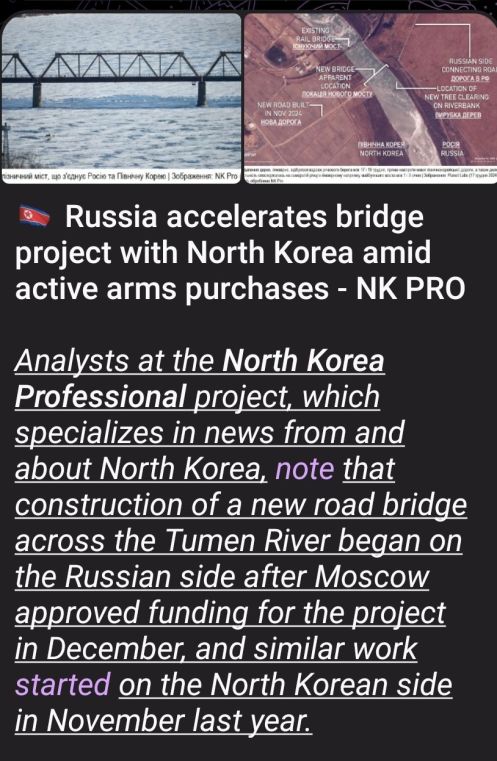
A recent report covered a strategic infrastructure initiative connecting Russia and North Korea through a new bridge across the Tumen River, reflecting broader geopolitical and economic motivations amid the evolving dynamics between the two nations.
Geopolitical Implications
The accelerated development of this bridge project signifies a growing alignment between Russia and North Korea, underpinned by mutual interests. North Korea intends to alleviate economic isolation, while Russia, facing sanctions and isolation from Western economies, finds value in fostering stronger ties with non-Western allies. The timing of the project amid active arms purchases suggests that the infrastructure may address dual purposes, facilitating trade and potentially the movement of military goods.
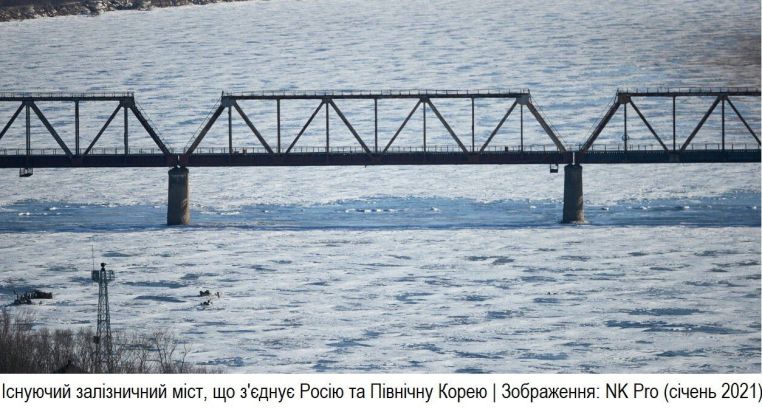
The restoration of passenger rail service between Khasan and Tumangan, alongside increased freight traffic, demonstrates an intensifying relationship. Analysts have speculated that weapons and Koksan artillery systems might have been transported via this route, aligning with recent reports of arms deals between the two countries. The enhanced infrastructure could further streamline these exchanges, raising security concerns for neighboring states and the international community.
Economic Considerations
The bridge and its accompanying road and rail infrastructure represent an ambitious investment, yet economic viability remains questionable. Experts doubt whether sufficient traffic volume exists to justify the project’s cost. While the bridge could boost trade by improving logistics, North Korea’s limited production capacity and Russia’s need for alternative trading partners create an uncertain outlook. However, the modernization of the Tumangan station to increase international passenger traffic indicates that nations are exploring ways to diversify the infrastructure’s utility.
Additionally, the five-year plan until 2028, which now includes the bridge, shows long-term strategic planning by Russia. The modernization of a Russian railway station, as evidenced by satellite images of dismantled warehouses, signals an intent to integrate this new infrastructure into more extensive logistical networks, potentially connecting to China or other regional players.
Strategic Military and Security Dimensions
The project’s potential role in military logistics cannot be overlooked. Reports of freight traffic including arms and artillery support concerns about the bridge serving as a conduit for weapons transfers. The developments exacerbate regional tensions, particularly with South Korea and Japan, who already perceive North Korea’s military activities as a significant threat.
From a Russian perspective, using the bridge for dual-use purposes aligns with its strategic objectives. As Western sanctions strain Russia’s traditional supply chains, access to North Korean labor, resources, or military assets through enhanced infrastructure becomes a pragmatic option.
Environmental and Operational Challenges
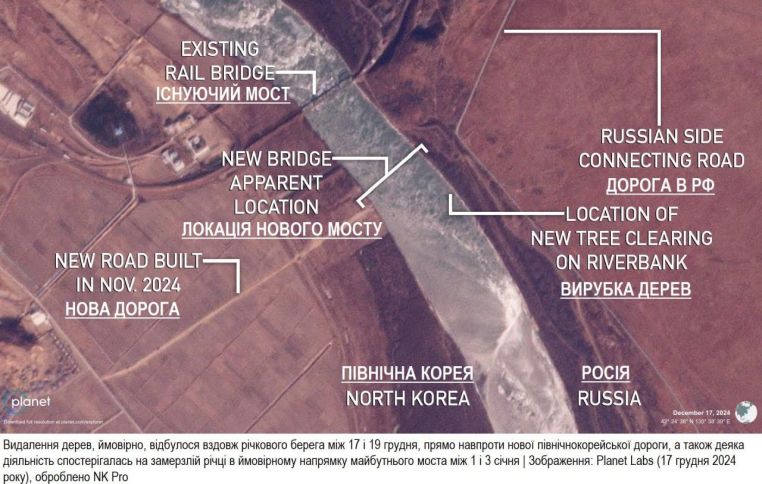
Satellite imagery from Planet Labs showing deforestation on the Russian side of the river highlights the environmental impact of the construction. Environmental degradation, if not mitigated, could strain local ecosystems, particularly given the strategic nature of the Tumen River region. Additionally, uncertainties about project implementation—whether by Russian or North Korean companies—and funding sources point to operational risks and potential delays.
North Korea’s history of border closures and strict pandemic measures also raises questions about the long-term reliability of this cross-border project. While the agreement reached in June 2024 reflects strong political will, external factors such as sanctions, economic instability, or renewed border restrictions could disrupt progress.
Broader Context
The project amplifies Russian and North Korean alignment amid shifting global power structures. Both nations face isolation from Western-led systems and appear to be strengthening their ties as a counterbalance. For North Korea, improving infrastructure aligns with its strategy of appearing as a functional state capable of engaging in international trade. For Russia, closer ties with Pyongyang present an opportunity to solidify an alternative axis of cooperation with nations outside Western influence.
The bridge project across the Tumen River deepens collaboration between Russia and North Korea, driven by strategic and economic motives. While it promises to enhance connectivity and facilitate trade, concerns over its economic viability and potential military uses overshadow its stated goals. The project is an example of the evolving geopolitical landscape, where nations like Russia and North Korea reinforce their ties amid global tensions. Policymakers and analysts must monitor this development closely, as it holds significant implications for regional security and international relations.


You must be logged in to post a comment.