



The Ivan Gren-class ship is a modern Russian landing ship designed for amphibious operations. It has a displacement of approximately 5,000–6,000 tons and can carry up to 13 main battle tanks or 36 armored personnel carriers, along with 300–400 marines. Equipped with modern radar, electronic warfare systems, and a self-defense suite, its design emphasizes versatility and support for amphibious landings. The Ivan Gren class represents Russia’s strategic shift toward expeditionary capabilities.
The Ropucha-class large landing ship, designed during the Cold War, emphasizes heavy transport and amphibious operations. With a displacement of 4,000 tons, the Ropucha class carries up to 10 tanks and 340 troops. While not as modern as the Ivan Gren, these ships are robust and reliable, often serving in logistical and amphibious roles.
The Sparta bulk carrier, identified as part of this convoy, plays a critical logistical role. As a civilian-styled vessel under Russian control, it allows flexibility in transporting military equipment and materials while potentially avoiding immediate identification as a military target. This ship has been previously implicated in arms shipments, indicating its pivotal role in supporting Russian operations.
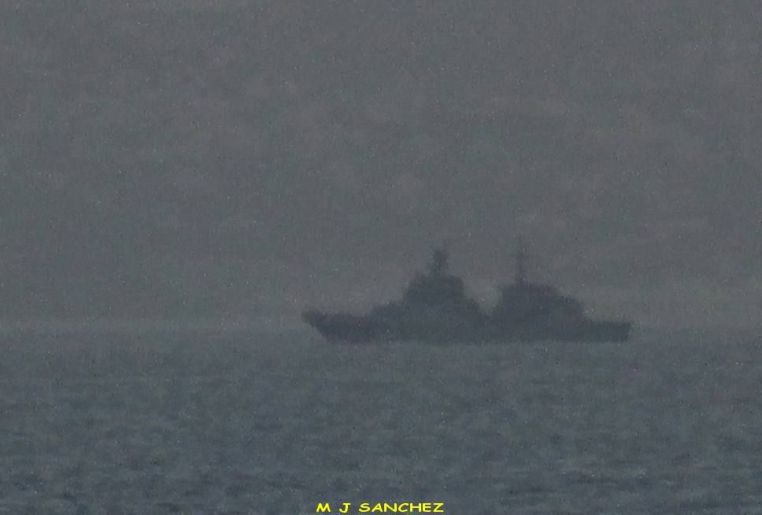
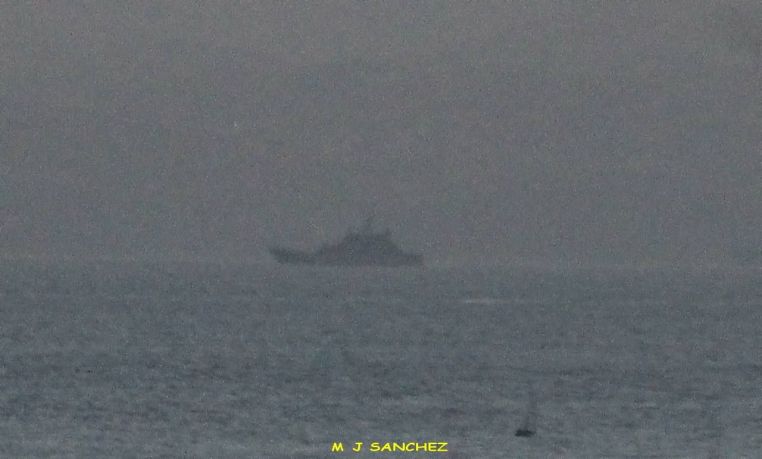

The convoy’s movement toward Tartus, Syria, aligns with Russia’s plans to consolidate assets and dismantle parts of its military base. The Tartus naval facility has served as a strategic outpost for projecting Russian influence in the Mediterranean. Its dismantling or downsizing suggests a shift in priorities or resource allocation, likely influenced by operational needs elsewhere or geopolitical recalibration.
This movement highlights Russia’s continued use of amphibious ships for logistics and equipment transport in support of its broader strategic objectives, blending military assets with commercial vessels to maximize operational flexibility and minimize exposure.


You must be logged in to post a comment.