


Sarin, Novichok, Chlorine Murder
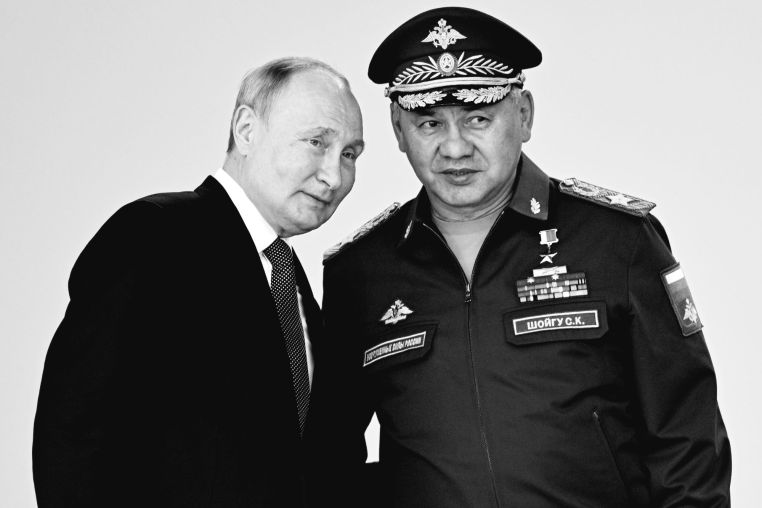
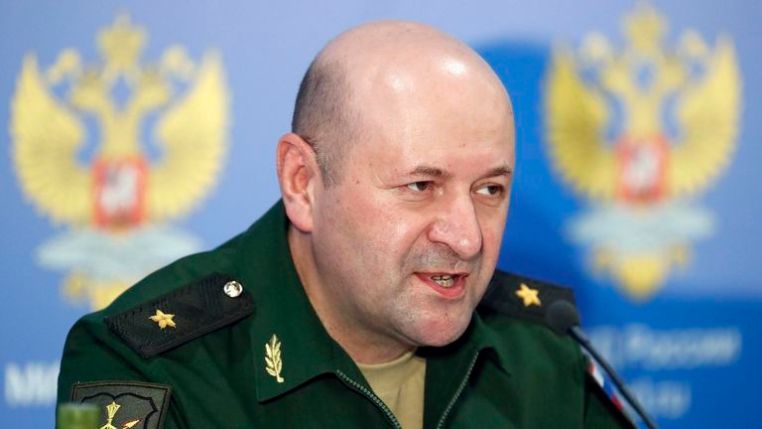

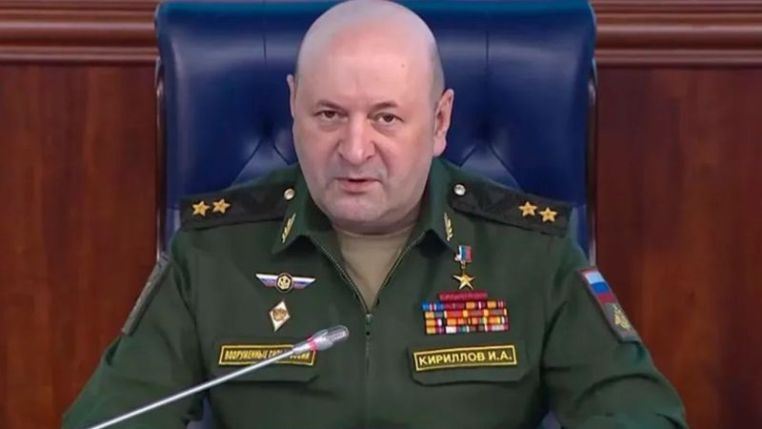
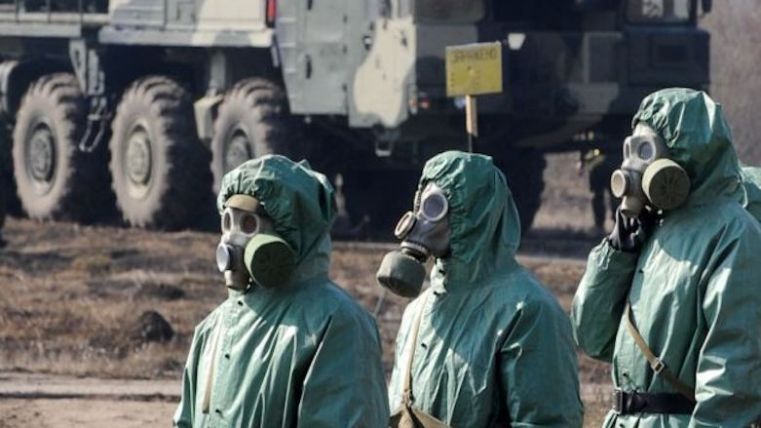
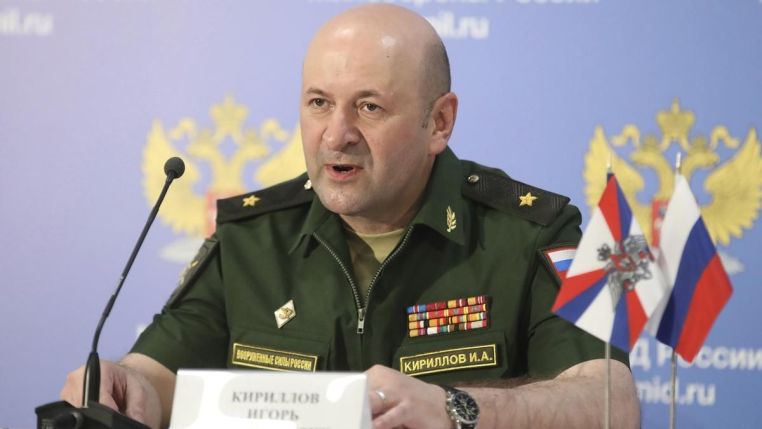
Lieutenant General Igor Kirillov stands as a grim symbol of the weaponization of human suffering, his role as the head of Russia’s Nuclear, Biological, and Chemical Defense Forces tainted by allegations of orchestrating some of the most inhumane acts in modern warfare. Kirillov’s career represents a calculated embrace of terror and brutality, employing chemical weapons not merely as instruments of war but as tools of civilian subjugation, psychological devastation, and geopolitical manipulation. His leadership saw chemical agents weaponized in defiance of every international convention, unleashing indiscriminate suffering and irreparable harm upon innocent populations in Syria, Ukraine, and beyond. Kirillov was not merely a commander in these operations but a deliberate architect of atrocities, a figure whose actions exemplify the cold, methodical evil of state-sanctioned war crimes.
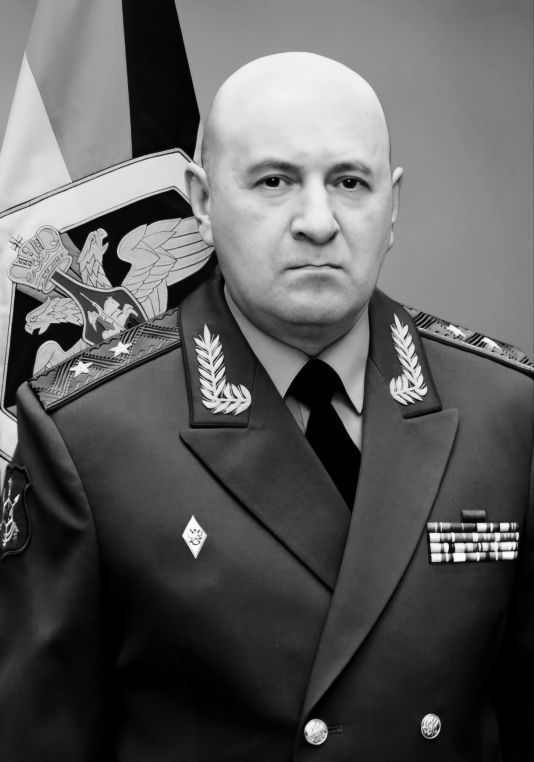
Kirillov’s actions in Syria are among the most egregious in his legacy of cruelty. The widespread use of chemical agents such as sarin and chlorine under his operational watch enabled the Assad regime to carry out horrific massacres, including the infamous 2017 Khan Shaykhun attack. Here, scores of civilians—many of them children—died in their homes, writhing in convulsions and gasping for air as the nerve agent sarin attacked their central nervous systems. The aftermath of the attack was harrowing, with streets littered with lifeless bodies and hospitals overwhelmed by victims foaming at the mouth and suffocating under invisible hands. These atrocities were not isolated incidents but part of a deliberate strategy to terrorize the civilian population and obliterate resistance. Kirillov’s forces not only facilitated these attacks but were implicated in systematic efforts to shield the Assad regime from accountability, obstructing international investigations and erasing evidence. His role as a conspirator in these massacres solidifies his reputation as a war criminal whose legacy is etched in the suffering of innocents.
Kirillov’s influence extended beyond Syria to Russia’s invasion of Ukraine, where his chemical warfare expertise became a looming threat. While the full extent of his crimes in Ukraine remains murky, accusations of potential chemical weapon use in Mariupol in 2022 are chilling. Reports of respiratory symptoms and neurological damage among civilians suggest the possible deployment of chlorine or similar agents, though definitive evidence is difficult to obtain in a warzone where Russia controls access and information. Kirillov’s fingerprints are visible in the propaganda campaigns that sought to preemptively accuse Ukraine of developing biological and chemical weapons, a transparent ploy to create a pretext for Russia’s own potential use of these horrific tools. Such campaigns represent more than disinformation; they are psychological warfare designed to confuse, terrify, and destabilize both civilian populations and the international community. Kirillov’s strategic use of chemical terror, whether in its actual deployment or as a weapon of fear, underscores the sheer moral depravity of his methods.
The hallmark of Kirillov’s evil lies in his calculated indifference to human life. Chemical weapons are not conventional tools of war; they are instruments of unimaginable suffering designed to bypass the battlefield and strike at the heart of humanity. Sarin gas, chlorine, and other agents do not discriminate between combatants and civilians. They kill indiscriminately and leave survivors maimed, both physically and psychologically. Kirillov’s role in deploying such weapons reveals a ruthless willingness to violate every principle of international law, ethical conduct, and basic humanity. He transformed warfare into a theater of horror, where mothers, children, and the elderly suffocated in their homes, hospitals became morgues, and survivors lived with the permanent scars of his crimes. Kirillov’s use of chemical weapons was not driven by military necessity but by a vile calculus of terror, designed to maximize suffering and extinguish hope among those who dared to oppose Russian or allied forces.
Kirillov’s propaganda efforts further cement his status as a perpetrator of calculated evil. His public statements accusing Ukraine and the United States of running bioweapons programs on Ukrainian soil were not only baseless but cynically intended to deflect attention from Russia’s own violations. By casting himself as a defender against imagined threats, Kirillov perpetuated a grotesque distortion of truth, positioning himself as a guardian of Russian security while enabling atrocities abroad. This disinformation was part of a larger strategy to confuse international opinion, undermine accountability, and normalize the deployment of chemical weapons under the guise of retaliation. In this, Kirillov was not merely complicit in war crimes; he was their active propagandist, a man who weaponized lies as effectively as he weaponized sarin.
The psychological impact of Kirillov’s actions cannot be overstated. His use of chemical weapons left survivors haunted by visions of the dead and tormented by the lingering effects of exposure. Children who survived his atrocities grew up with nightmares of suffocation and death, their lives permanently overshadowed by trauma. Communities targeted by his campaigns were hollowed out, their populations displaced, their economies shattered, and their futures destroyed. Kirillov’s actions did not just end lives; they erased entire ways of life, turning thriving communities into ghost towns. His crimes were as much about annihilation as domination, with chemical weapons employed as tools of extermination and erasure.
Internationally, Kirillov’s actions represent a direct assault on the global norms that seek to prevent the horrors of chemical warfare. The Chemical Weapons Convention exists as a bulwark against the kind of atrocities Kirillov oversaw, its principles rooted in the lessons of World War I and the universal agreement that some weapons are too inhumane to ever be used. Kirillov’s defiance of these norms, his willingness to unleash chemical terror on civilians, and his efforts to shield his crimes from accountability mark him as a figure of historical infamy. He not only betrayed the laws of war but also the very concept of humanity, leaving a legacy defined by suffering, death, and the erosion of international order.
Kirillov’s death, though violent, cannot erase the scars he inflicted or the evil he embodied. His assassination in Moscow has sparked both outrage and relief, with some viewing it as an act of vengeance and others as a necessary end to a man who represented the darkest side of warfare. Whatever the motivations behind his killing, it is clear that Kirillov’s legacy will remain one of unrepentant brutality. He was a man who turned science and military expertise into instruments of horror, a commander who saw human suffering not as a tragedy but as a weapon. Kirillov’s name will forever be synonymous with the atrocities he orchestrated, a reminder of the enduring need to hold war criminals accountable and to safeguard the principles of humanity against those who would tear them apart.


You must be logged in to post a comment.