


The example in the photo is a drone that has already been seen more than once.
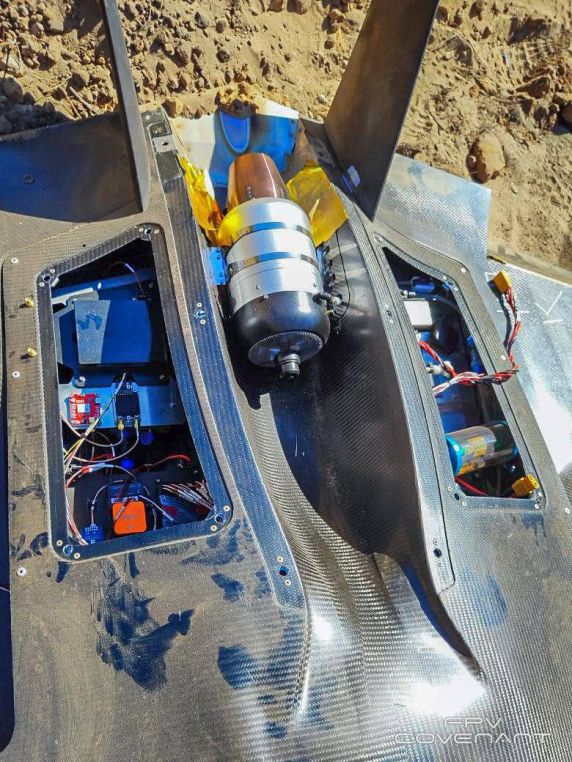
It was originally planned as a one-way product, so the filling is very simple. The base of the bird is a turbine and a special controller.
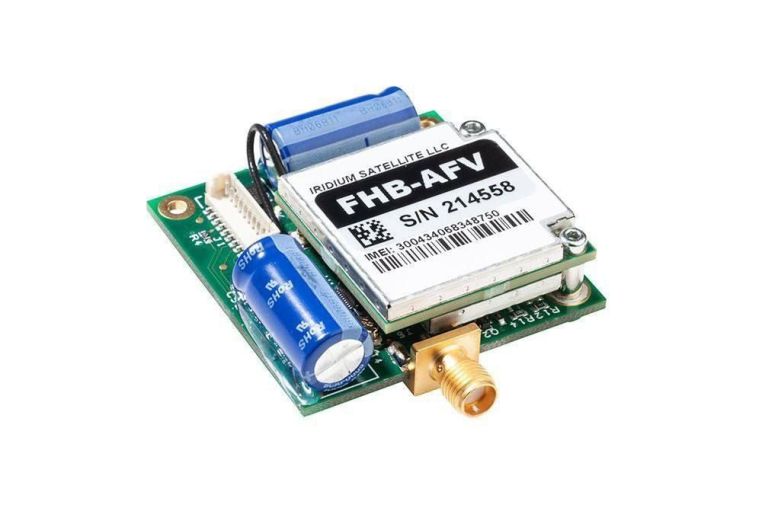
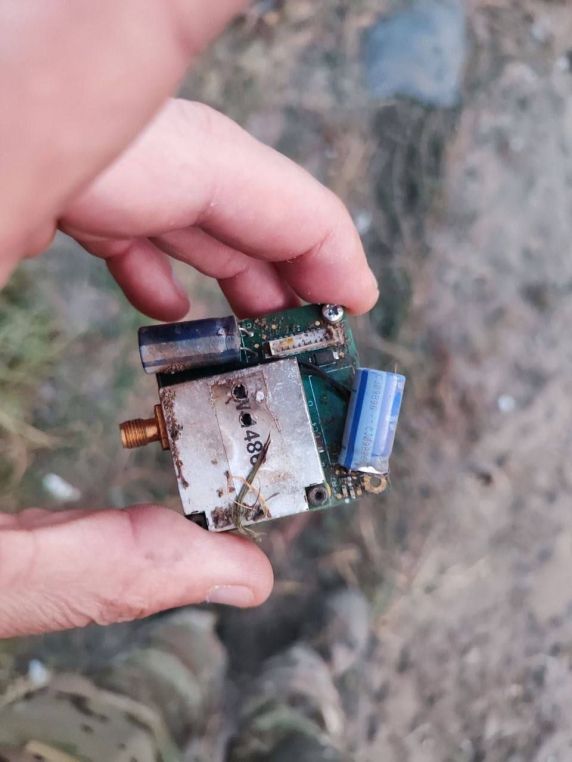
But the control is more interesting. If you look at the filling, we see two independent control channels there. One channel is a satellite modem that works on the Iridium system. The second channel is a regular system from the simplest drone. Here the question arises why 2 systems.
This is important to note.
The answer is on the surface. An attempt to work with the recruited (or waiting) ones.
The scheme is simple – through a gasket from China, they send a remote control to a person who flies at home on a simulator. At the X hour, they release a bird, it flies along the map and only checks its position. Having entered the desired zone, the signal goes to the point through the Iridium modem. The recruited person goes outside, turns on the remote control and gets a connection with the bird. And then he simply points it manually, for example, to an oil refinery.
Such an agent can travel from city to city. One might ask, why not Iridium and not from any point on the globe.
The answer is simple – it works very slowly on Iridium, because the satellites of this system were initially planned for voice communication. And only then for data transmission. That’s why there is no camera on this version of the bird.
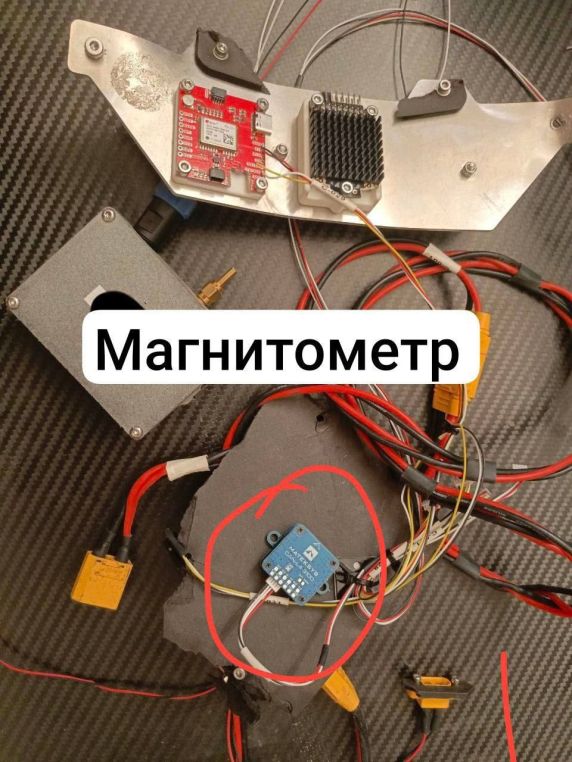
Considering that these birds are equipped with a Magnetometer, the oil refinery could definitely be a target.
Unfortunately, our “bright” future is similar birds with a control terminal via Starlink. Then the operator can control not only the flight of the product but also see which of the objects was hit.
Moreover, the mini series allows you to place a modem on the body of this bird. In general, this is a very promising product.
Starlink is already designed for high data transfer speeds.
And my opinion is that we won’t have to wait long for these birds.
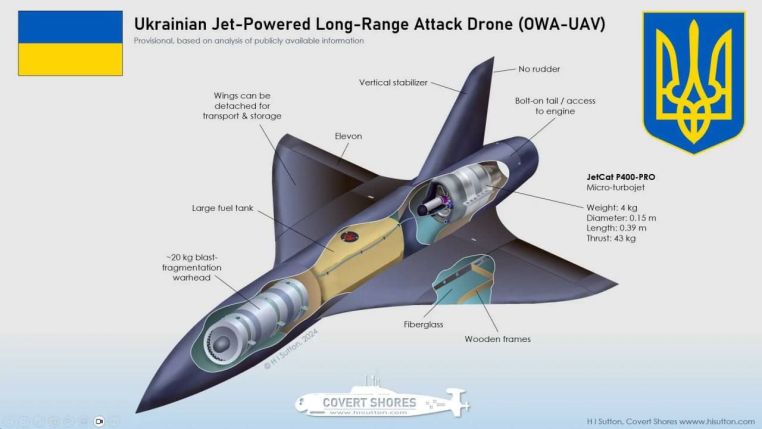
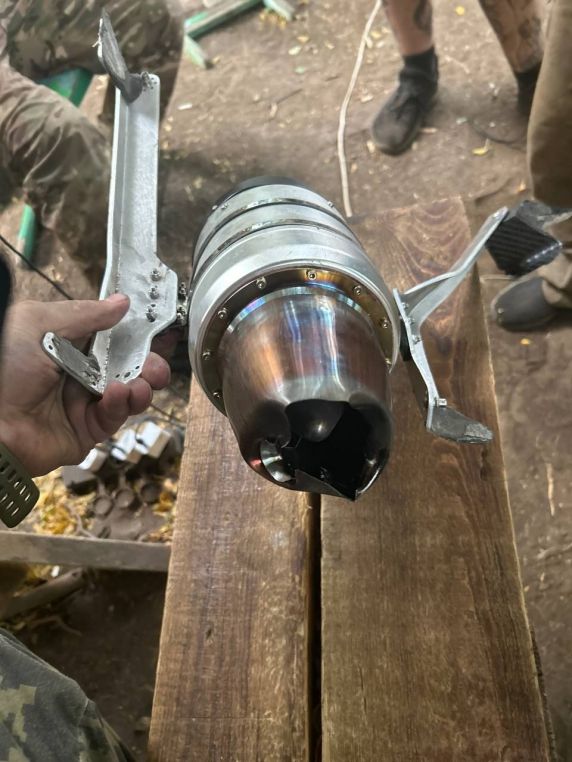
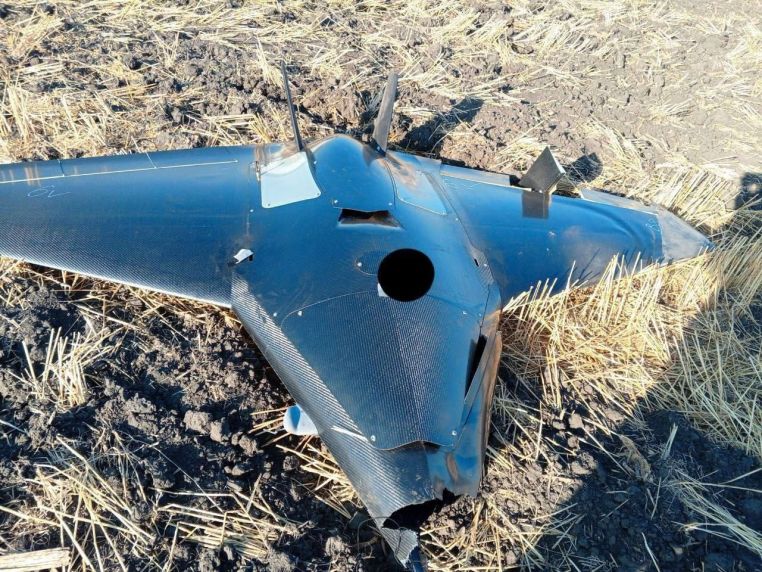
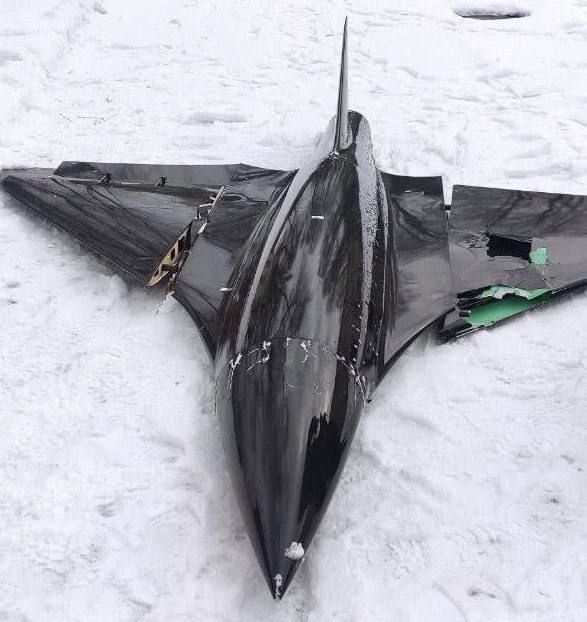
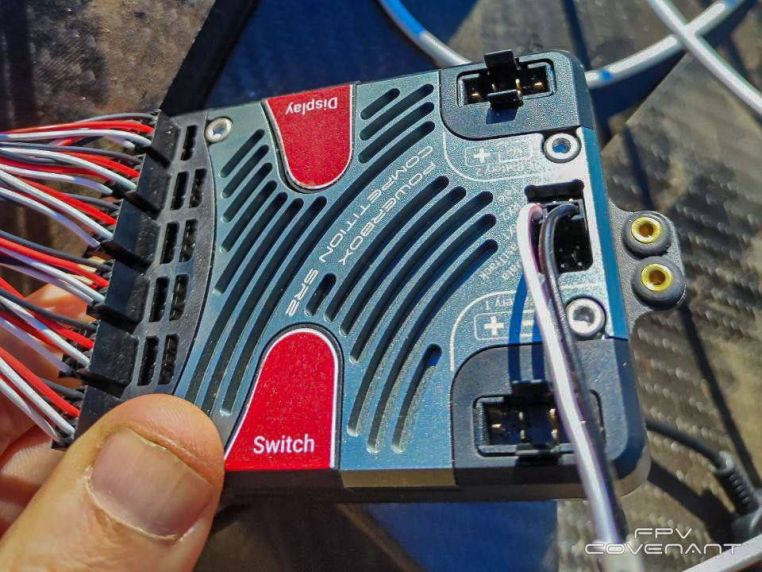
Quite a sober assessment of the risks and capabilities of this device. I will also add that the idea of using local telecommunications to simplify drone control is quite old. Both modems for SIM cards and the usual controls for the FPV drone. But the future of such solutions is obviously a smartphone for Starlink, which is currently being tested. Unlike the Starlink dish, this will provide interference-resistant communication at any distance, even for small drones. And this is a huge threat, which we need to prepare to parry now.
And so this particular device is well-polished and is an obvious next step in the evolution of a small cruise missile. Moreover, according to available intelligence data, the cost of this device in rubles does not exceed 400-500 thousand. That is, it is quite suitable for rapid and mass scaling, which sharply increases the load on air defense.
And this requires us to prepare countermeasures in advance, and this should be an inexpensive and mass solution. For example, light-engine unmanned fighters with guns on board, or other options. Helicopter interceptors and MTFs (mobile fire groups) will not cope with jet drones.
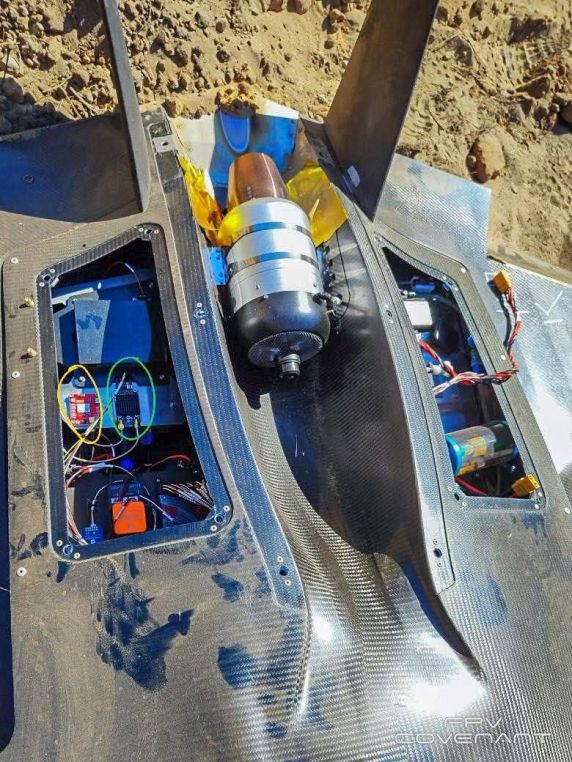
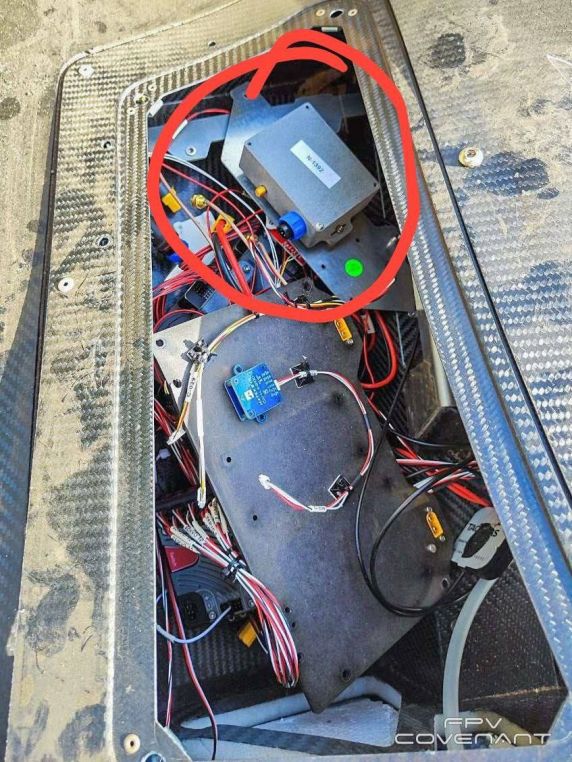
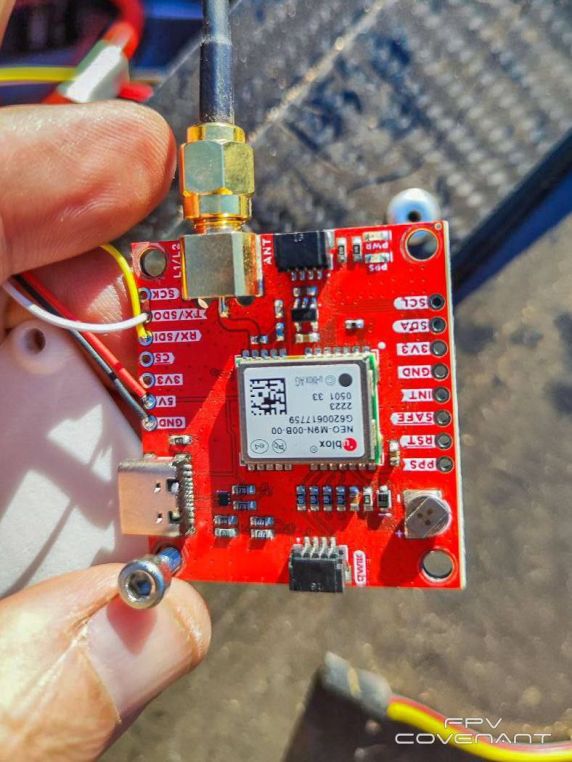
The GNSS signal module is shown in yellow.
The radio link module for the remote control is marked in green with a bird.


You must be logged in to post a comment.