

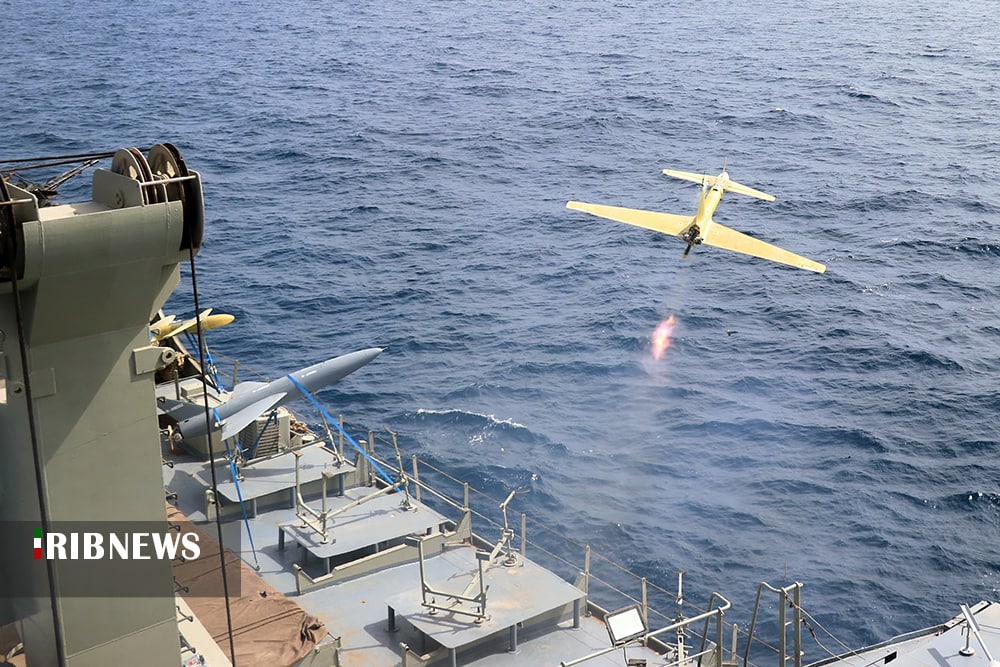
The deployment of “Taran” anti-aircraft drones along the Kursk direction reveals Russia’s pivot to low-cost, improvised defense solutions in response to significant losses of more sophisticated systems. The reliance on these crude, ramming drones underscores a broader reality: Russia’s struggle to maintain technological superiority in the face of sustained attrition and targeted strikes against advanced air defense platforms.
This shift to cheaper alternatives like the “Taran” indicates desperation within Russian defense circles. Despite their basic design, “Tarans” have managed to degrade Ukrainian UAV operations by disrupting their effectiveness and reducing UAV supply efficiency in critical areas. However, the very existence of these systems exposes a fundamental weakness: Russia’s inability to replace destroyed or compromised advanced systems, thus forcing it to resort to these rudimentary stopgaps.
The need for enhanced electronic warfare solutions, like the “Zerkaltse” system, emphasizes an embarrassing shortcoming in Russia’s capacity to adapt. The fact that Ukraine learns about Russian innovations through battlefield encounters rather than reliable intelligence channels highlights failures in counterintelligence and situational awareness among Russian forces. Additionally, the evident scramble for integration tactics—evidenced by public calls for expertise on how to modify UAVs—reveals disarray and lack of central coordination within Russian military operations.
Putin’s military is attempting to mask its operational decline with cobbled-together solutions that expose deeper systemic failures. The broader picture is one of a supposedly world-class military resorting to basic, improvisational tactics that contradict the image of technological superiority Putin has long projected. This reality not only undermines Russia’s military credibility but also diminishes its broader geopolitical standing as an “advanced” military power.

We See What Others Cannot


