


Titan Talon v3
It’s no secret that thousands of switchblades, nlaws and javelins have disappeared somewhere and they are in full swing developing their own types of weapons.

First of all, in the field of kamikaze drones, which have shown high efficiency.
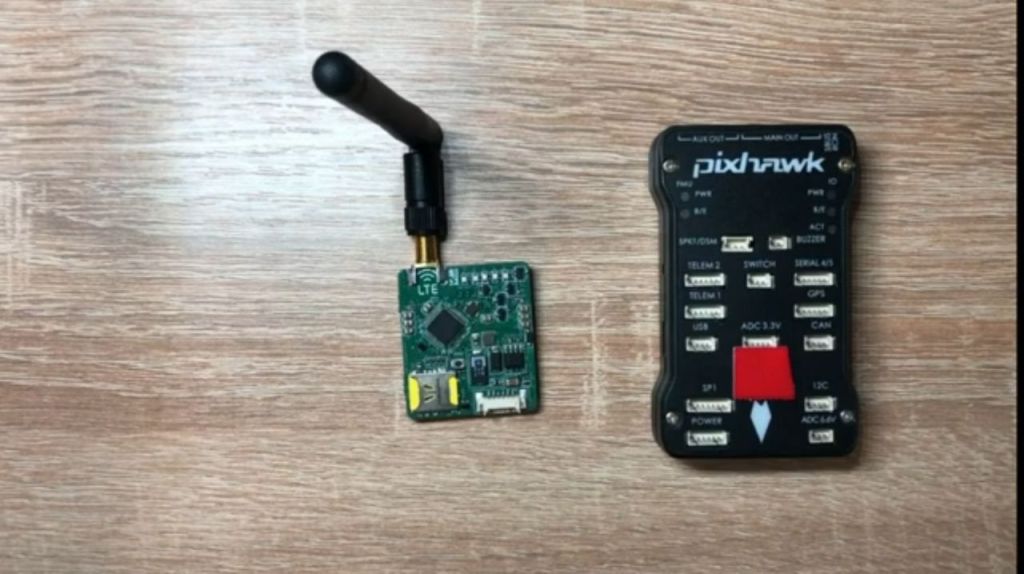
In addition to quads, they are actively working on 3D printed aircraft controlled via cellular networks, which will allow them to fly far away and keep the operator safe and remote.
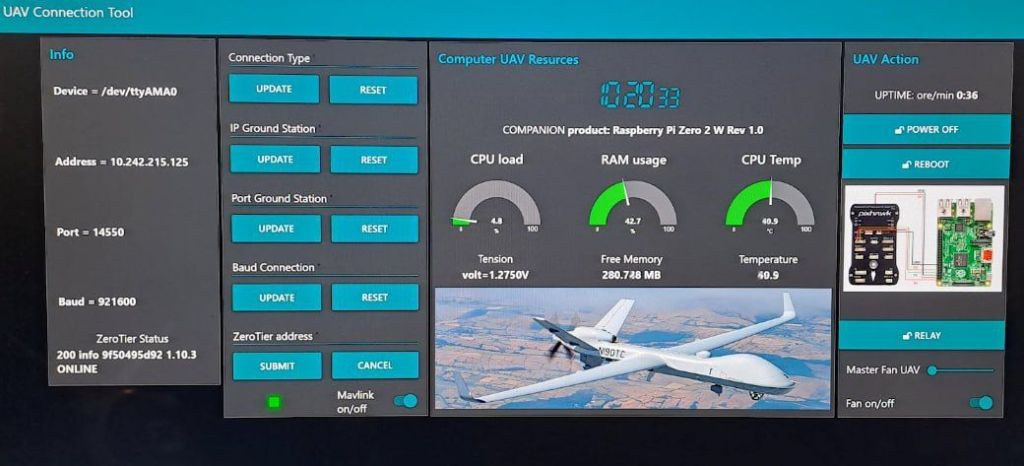
The screenshot shows the interface of such a Romanian-developed GSM mission glider. The release of this software is expected in the coming days, while development is closed. The drone is controlled via cellular networks using Raspberry and the Mavlink router v3 protocol.
The drone makers themselves, according to unverified data, are located in Lutsk.
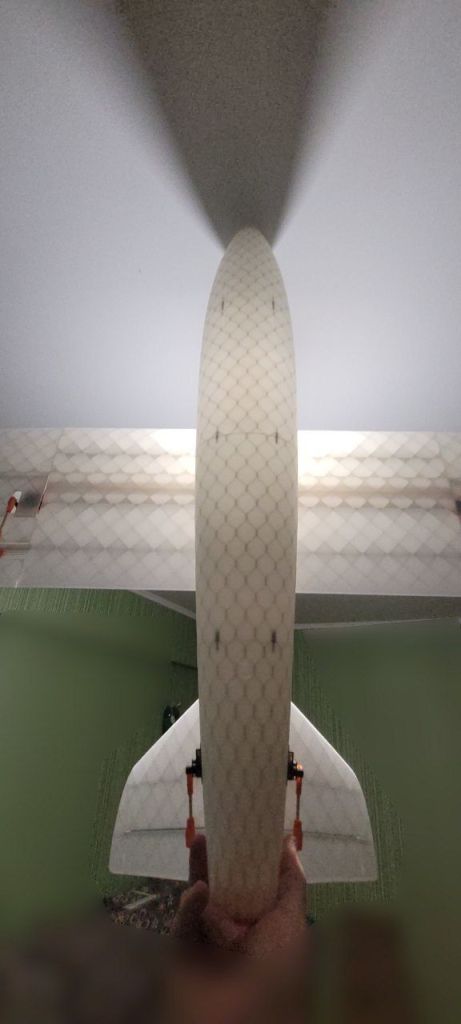
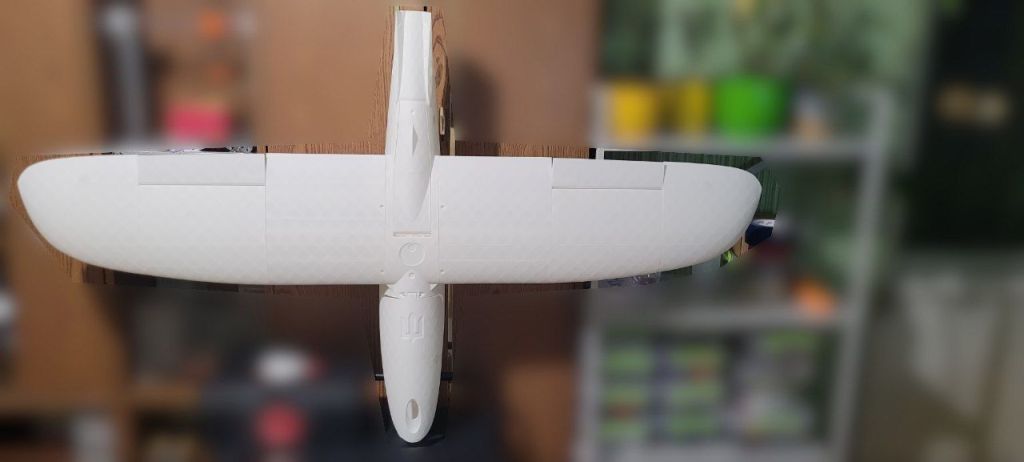
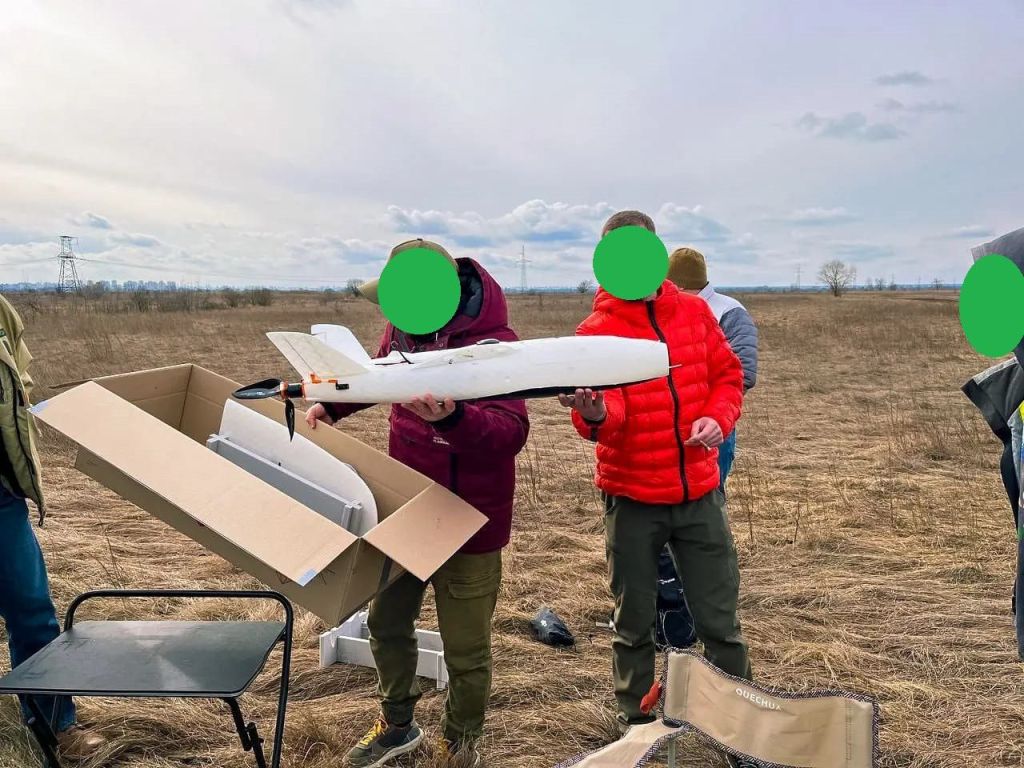
As for carriers, Ukry initially played with the Titan Talon Classic, but were never able to teach it to fly normally. Now they are switching to a more balanced Talon V3.
A range of up to 400 km is expected at a cost of less than $1000 and continuous communication throughout the flight. 3D printing of the media eliminates manual labor and makes production independent of the qualifications of workers. Building a factory for a hundred printers somewhere in Europe, where there are no power outages, is not a problem.
It is expected that by the summer we will see many such kamikazes controlled via GSM networks, including in our rear, where the next idiot will launch a drone sent by mail upon order from the Internet.
Details about the Surveil Sipre surveillance station mentioned earlier.
The cost of the complex is about 400 thousand euros, most of which is for the thermal imaging camera. For the first time in practice, this station was used to fight forest fires in Georgia.
The complex was originally designed to monitor borders. The complex is completely autonomous and detects movement at a distance of up to 20 km.
AI can identify and filter objects. Then, a drone is automatically sent to the detection point. The drone is also an Estonian development by KrattWorks, a Ghost Dragon quad. Very quiet, quieter even than DJI, can fly for 40 minutes. The cost of the drone is about 40 kilo euros.
It is noteworthy that Rheinmetall, acting as a laying stone for this and other small European projects, sells these systems to Ukrainians for $5 million apiece.
The drones are located in a “nest” near the station. Only after identifying the target (with or without the help of a drone) is the information transmitted to the operator.
In the original version, the station works via cellular networks, so it is accessible from anywhere on the planet. Starlink is also mentioned in Rheinmetal’s presentation.
The station is powered from solar panels, or from a diesel generator, or from fuel cells. Designed to work for a year without human intervention.
The strike potential of the station is questionable, but as an autonomous observer, it can bring some benefit to the Ukrainian Armed Forces. The station is passive, and being well camouflaged and IR shielded can operate for quite a long time without detection.
Romanian software for controlling UAVs via 4G networks UAV4Gtool? So, she’s ready. The site was launched yesterday. You can download a free version from it ( direct link without registration and backup to Yandex disk. The archive on YaD was verified by Casper).
https://mega.nz/file/vAkgTJ5Q#93WWAO97xiaSDD5iJOu-DjSmCNHM-A348ChM87zO_ew
Here’s what the developer writes: ” One version will be free to the community and will provide 4G telemetry via the Mavlink protocol, supporting all Hilink modems (plug and play). The other version will be a paid version and will offer many features, including low-latency video streaming for long 4G flights. It will support most existing modems, both Hilink and Stick systems (AT commands), and you will be able to change the resolution, bitrate, frame rate, and flip the image. It will have 500ms latency, is great for 4G, and supports 1080p, 720p, and 480p as well as all Raspberry cameras. The program called UAV 4G Tool is ready and prepared all the documentation to help those who are not yet familiar with it. The program is extremely stable, and I’m pleased with how well it turned out. The interface is simple but robust. It does exactly what it’s supposed to do and does it well.”


You must be logged in to post a comment.