

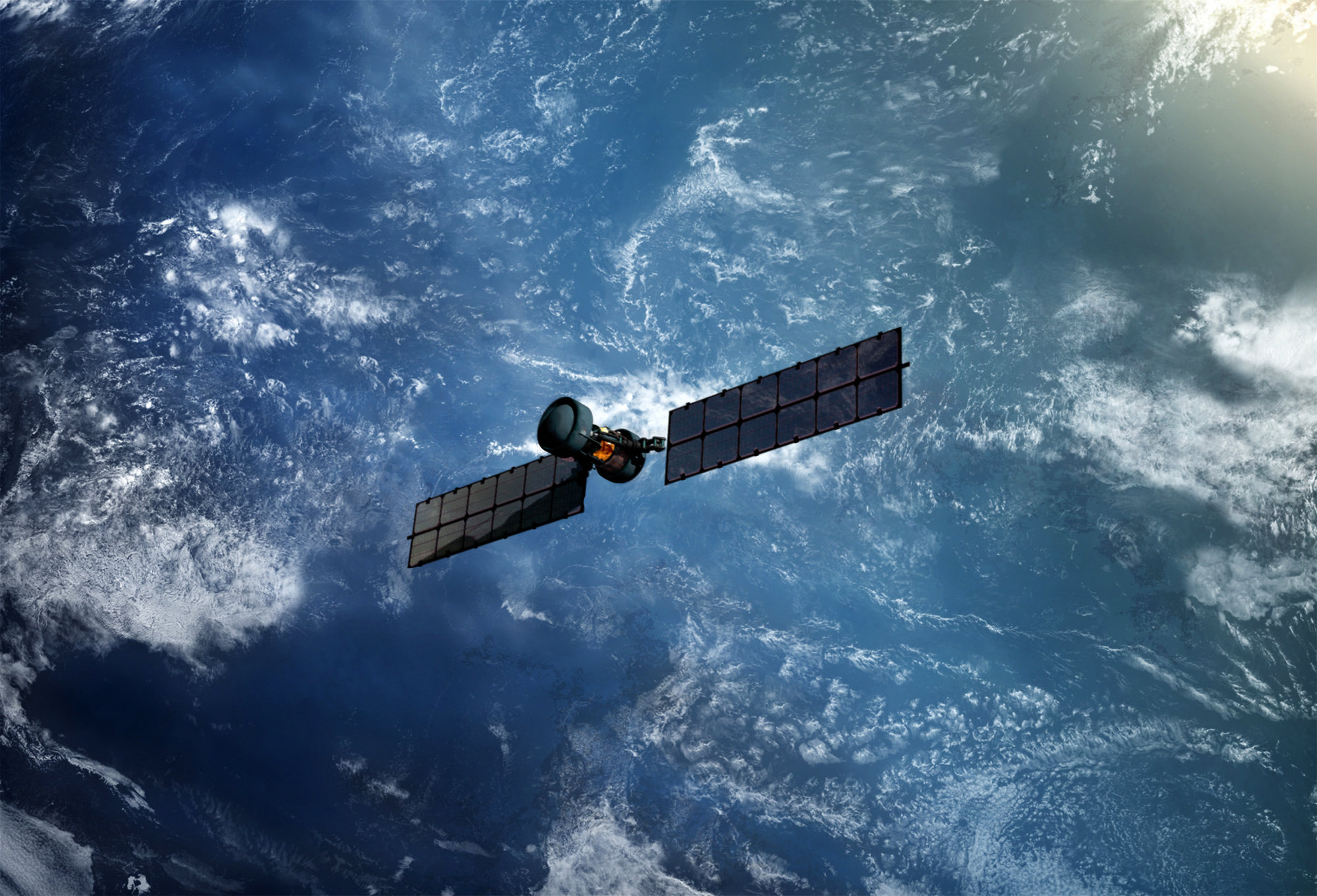
The Russian satellite Kosmos-2499 broke apart in orbit on the night of January 3, according to the 18th Space Defense Squadron (18 SDS) of the US Space Force, which tracks the movement of artificial objects in orbit. The cause of the incident has not been established.
The satellite was launched into Earth orbit in May 2014 by the Rokot carrier rocket.
The satellite’s breakup produced at least 85 traceable pieces of debris. This cloud of space debris rotates at an altitude of 1,169 kilometers above the Earth. Due to the size of the cloud, its destruction by atmospheric pressure will take more than a century.
The researchers suggest that the Cosmos-2499 and Cosmos-2491 satellites were testing technology to stalk and disable other satellites. At the same time, Roskosmos claimed that the satellites were allegedly created for peaceful purposes.
Past information
For the first time, the Ministry of Defense of the Russian Federation openly announced the appointment of a maneuvering satellite.
Kosmos-2519 was launched into orbit at the end of June. Even then, observers drew attention to the unusual secrecy – even for the omniscient space specialist Anatoly Zak, the launch was unexpected, and the purpose of the satellite remained a mystery.
Today, the device is called an “inspector,” designed to “assess the state of another space object.”
The previous three maneuvering satellites – Kosmos-2491, Kosmos-2499, and Kosmos-2504 were also very secret, but they were launched as a way cargo with communications satellites and recorded by NORAD in space debris. It wasn’t until a few months after launch that attention was drawn to itself when the debris suddenly began to make vigorous maneuvers. Russian officials answered all questions about these devices with deathly silence.
Judging by the parameters of the orbit that Cosmos-2519 has gained over the past couple of weeks, the guinea pig, whose condition will be assessed, has become the satellite Cosmos-2486 (“Person” No. 2). Previous times, satellites have been targeted by their own upper stages.


You must be logged in to post a comment.