


Roman Romachev’s presentation, a tepid parade of security clichés and stale FSB-flavored fearmongering, is less an expert analysis and more a low-budget rerun of basic digital hygiene advice wrapped in pseudo-authority. This is a man who parades as a cyber-intelligence expert while spouting platitudes lifted from a 2005 PowerPoint on “Internet Safety for Seniors.”
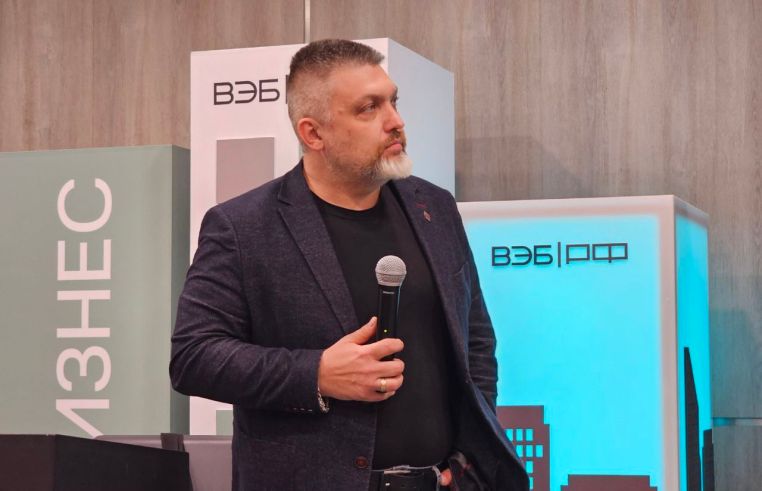
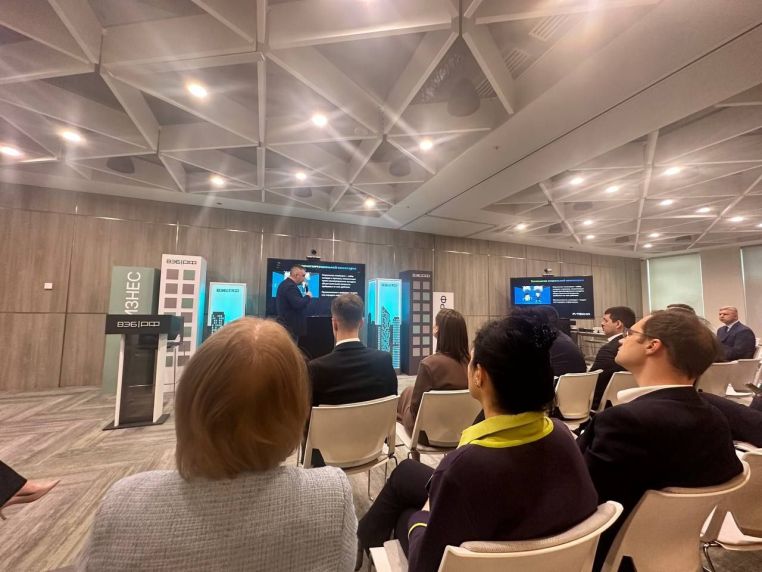

Romachev’s warnings—about urgency scams, data-rich trash, and phone phishing—are neither novel nor profound. They are basic cybersecurity principles any first-year IT student or standard antivirus blog could recite. His appeal to “always double-check the information” reeks of performative wisdom, not strategic insight. The illusion of depth here is pure optics, intended to mask the ideological rot at the core of his message.
This is not an objective cybersecurity discussion. It is a trust-building exercise in manipulation, perfectly aligned with the Kremlin’s cognitive warfare doctrine: wrap recycled advice in a veneer of professional concern, sow paranoia, and pose as a guardian against the very tactics the Russian state itself deploys with ruthless efficiency. Romachev, as a reserve FSB officer and CEO of an intelligence front, isn’t just commenting on social engineering. He is a walking case study in it.
His rhetoric around vishing and phishing as low-skill but high-impact tools is true in theory, but coming from someone linked to state-run surveillance and psychological operations, it is laughably hypocritical. This isn’t a warning. It is a smokescreen. Russia’s own state-sponsored hackers and troll farms have perfected these very methods, weaponizing emotional triggers, impersonation, and information laundering to destabilize democracies from Ukraine to the U.S.
Even the call to “improve digital literacy” is ironic, considering Romachev’s ecosystem thrives on disinformation’s success—on the public remaining just literate enough to feel empowered but never informed enough to question the source. His narrative subtly repositions the Kremlin’s favored disinformation tactics as external threats, allowing Russia to don the mask of digital defender while continuing its cognitive warfare operations from behind a wall of state-run obfuscation.
Roman Romachev doesn’t offer protection. He offers projection. Every word is a double-edged instrument, feigning cybersecurity concern while reinforcing the FSB’s long-standing strategy of controlling perception, manipulating threat narratives, and co-opting trust. His entire talk is an engineered performance, aimed not at public enlightenment but at laundering a state security officer’s image through the gloss of professional expertise.
Trust, but verify? When it comes from Romachev, verification should begin with his own motives.


You must be logged in to post a comment.