



The Russian COS firmware provides advanced capabilities for DJI drone operators, standing out as an alternative to DJI’s proprietary options. Unlike the limited multibind utility, which only functions with two remote control models, COS firmware operates across multiple devices, broadening its appeal to a wider audience. A critical analysis of its features and associated implications reveals significant enhancements and potential risks.
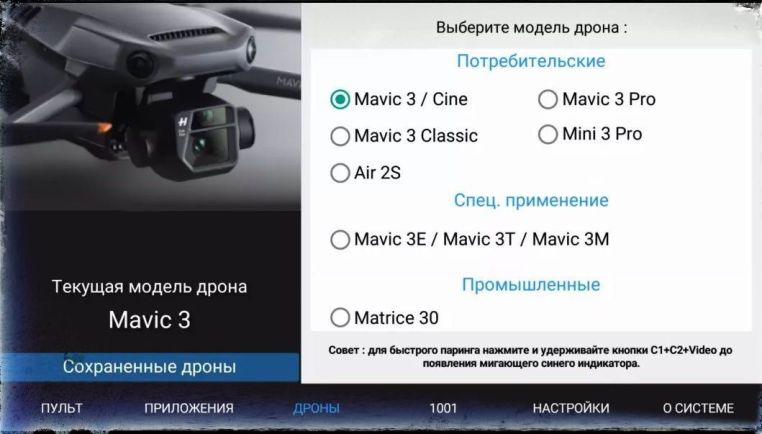
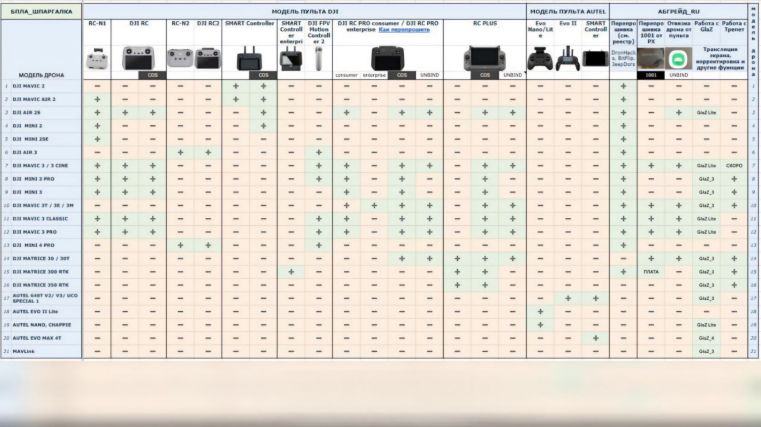
The COS firmware streamlines drone operation with a user-friendly interface that simplifies multibind functionality. Operators select the desired drone model from a list, a process that minimizes the need for familiarity with specific remote control models. The intuitive feature contrasts sharply with the multibind utility, which requires knowledge of remote control shortcuts to pair drones. COS also supports a broader range of compatible devices, including popular models like the Smart Controller, RC Pro, RC Plus, and the DJI Phantom 4 Pro Plus, while the multibind utility is restricted to the RC Pro Enterprise and RC Plus.
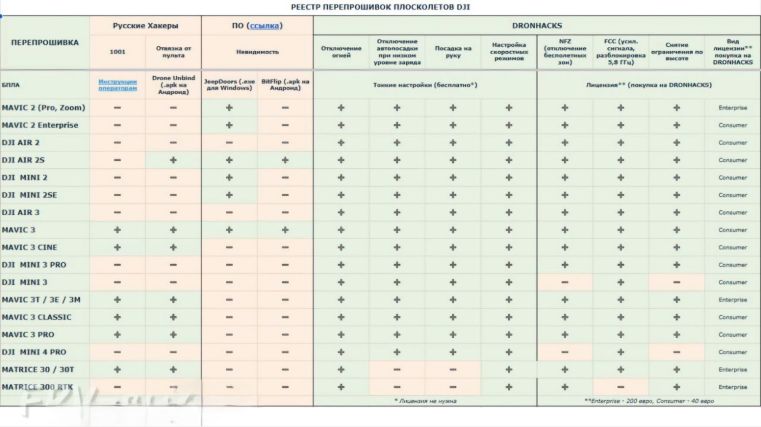
Functionality embedded in COS extends well beyond basic drone control. Features such as FCC activation, which boosts signal strength, and 5.8 MHz frequency activation, allow operators to maximize performance in challenging environments. COS also disables RemoteID, a feature that typically identifies drones to regulators, as well as GPS functionality, potentially enabling stealthier operations. These modifications could appeal to users prioritizing operational flexibility, though they raise significant concerns about regulatory compliance and misuse in restricted airspace.
The ability to install third-party applications and integrate with 1001 firmware positions COS as a robust and adaptable platform. By broadcasting the remote control screen to external devices via USB or Wi-Fi, it supports enhanced situational awareness and mission planning. The level of customization makes COS suitable for advanced scenarios, including commercial, industrial, or security-focused applications. However, the added functionality comes with the requirement of a purchased license, contrasting with the free availability of the multibind utility.
From a broader perspective, the COS firmware’s capabilities warrant scrutiny for potential misuse. The disabling of RemoteID and GPS, for example, undermines airspace safety regulations and could facilitate unauthorized operations. In conflict zones or sensitive regions, such features could enhance the tactical utility of drones, allowing operators to bypass detection mechanisms. While this enhances operational flexibility for legitimate purposes, it simultaneously increases the risk of misuse by non-state actors or other unauthorized entities.
The COS firmware is a trend in the customization and localization of drone technologies. Russian developers have created a product that directly competes with existing DJI tools, tailoring it to meet specific operational needs while circumventing restrictions imposed by the manufacturer. The trend raises questions about the broader implications for intellectual property, cybersecurity, and international regulatory standards. The installation of third-party applications and firmware integration introduces potential vulnerabilities that adversaries might exploit, further complicating the risk landscape.
Despite its advanced capabilities, the COS firmware is not an exact alternative to the multibind utility, which remains a simpler tool for basic drone operations. COS offers a comprehensive suite of features designed for operators seeking flexibility, adaptability, and enhanced performance. However, the associated risks, including regulatory violations, cybersecurity threats, and potential misuse in unlawful activities, underscore the importance of careful consideration when deploying such firmware.
COS firmware enhances functionality for DJI drone operators but introduces risks that require thorough evaluation. Its capabilities fit advanced operational needs, making it a powerful tool for legitimate users.
https://cos-project.ru/
https://cos-project.ru/docs/official-manuals/


You must be logged in to post a comment.