
The Russian narrative surrounding their operations from Maksimilyanovka to Kurakhovo reads as a desperate attempt to paint failure as perseverance. Their claim of gradual progress, framed as part of “continuing the work of Ernest and Goodwin,” obscures what is actually a prolonged, bloody, and largely unsuccessful campaign.
The boastful recount of “capturing Maksimilyanovka” glosses over the fact that this so-called advance has taken nearly a year, indicating significant setbacks and strong Ukrainian resistance. By admitting that Georgiyevka had to be “taken ten times,” they unintentionally reveal just how precarious and temporary their gains have been. This admission, coupled with the absurdly cautious strategy of waiting to declare victory, reeks of insecurity and signals a broader failure to achieve decisive outcomes on the ground.
The supposed “big plus” claimed by Russian forces along the right flank, pushing from Krasnogorovka toward Kurakhovo, is contradicted by their admission that Ukrainian forces still hold the left flank—where tanks, artillery, and drones actively engage Russian positions. This balance of forces, particularly the strength of Ukrainian defenses, directly undercuts Russian assertions of control and suggests that their “next main goal” of Kurakhovo will encounter the same fierce resistance that stalled previous attempts.
The detailed description of Ukrainian trenches—stretching from Marinka to Kurakhovo and filled with disciplined troops—illustrates not only the strength of Ukraine’s defensive network but also Russia’s inability to dismantle it effectively. The Russian analysis of enemy tactics, such as five-day rotations, nighttime movements, and environmental cover, inadvertently highlights Ukrainian adaptability and tactical acumen, further undermining Russian claims of superiority.
The portrayal of Russian tactics remains intentionally vague, with promises to share details “later, where necessary.” This lack of transparency, coupled with ambiguous references to “flying fighters and chroniclers,” fails to mask the disorganization and lack of cohesive strategy within the Russian ranks. The accompanying video, meant to showcase Russian attacks on Ukrainian positions, becomes another transparent attempt to exaggerate Russian success, depicting Ukrainians fleeing in “panic” without substantial proof.
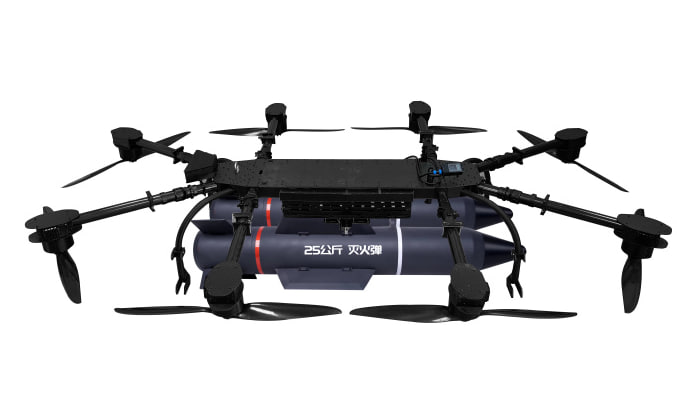
The appeal for more DJI Matrice 30 drones—dubbed “mattresses”—reveals logistical shortages and the deteriorating state of Russian drone operations following the death of key figures like Ernest and Goodwin. The loss of these operators, along with critical equipment, directly contradicts Russian claims of momentum, as the lack of effective aerial capabilities cripples their capacity to sustain the offensive.
The narrative ends with an appeal to remember fallen Russian fighters like Goodwin, whose death and posthumous award of the Order of Courage are framed as signs of remembrance and redemption. This attempt to craft a martyrdom myth around the losses suffered at Maksimilyanovka only highlights Russia’s growing desperation to inspire its troops amid demoralization and mounting casualties. The promise to uncover the “circumstances” behind their deaths is likely another hollow assurance that belies deeper systemic issues, including leadership failures, corruption, and battlefield chaos.
By framing this prolonged campaign as “continuing the work” of lost fighters, Russia’s attempt to invoke legacy as motivation falls flat against the reality of tactical failures, logistical shortages, and Ukraine’s resilient defense. Far from a heroic tale, this statement exposes Russia’s struggles and diminishing ability to sustain a coherent offensive strategy in the Donetsk region.

We See What Others Cannot


