

Problems solved using the AMULET drone detector
1️⃣ Timely detection of UAVs (drones) with analog and digital video signal transmitters from all types of drones, including FPV and wing-type UAVs.
2️⃣ Detecting the direction of the signal from the UAV.
3️⃣ Joint work with systems of counteraction and suppression.
4️⃣ Detection of radio signals for reconnaissance purposes.
5️⃣ Protection of the perimeter, industrial facility, territory.
6️⃣ Exclusion of triggering of selected signals (the “friend/foe” principle).
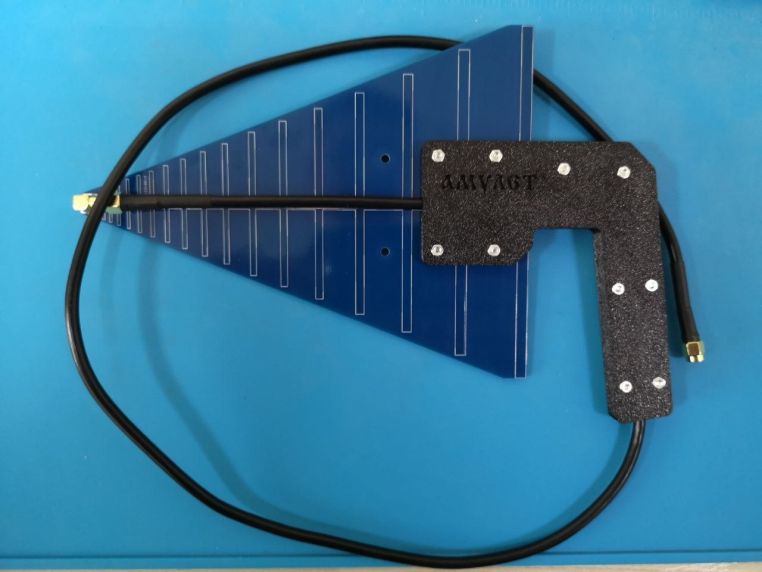
With the help of “Amulet” you can quickly scan the radio frequency background around and detect signal sources in open areas🏕️, in vehicles🚗 and in shelter🏠, using a wide range of additional tools and components to solve any task, including:
⚡set the drone type (FPV, DJI, Autel);
⚡set the frequency range in which video transmission from the drone operates;
⚡find out the direction of the signal and changes in its power (in the “Bearing” mode);
⚡manually set the sensitivity threshold (drone detection range);
⚡ enable/disable separately search for signals from UAVs such as FPV / DJI / Autel.
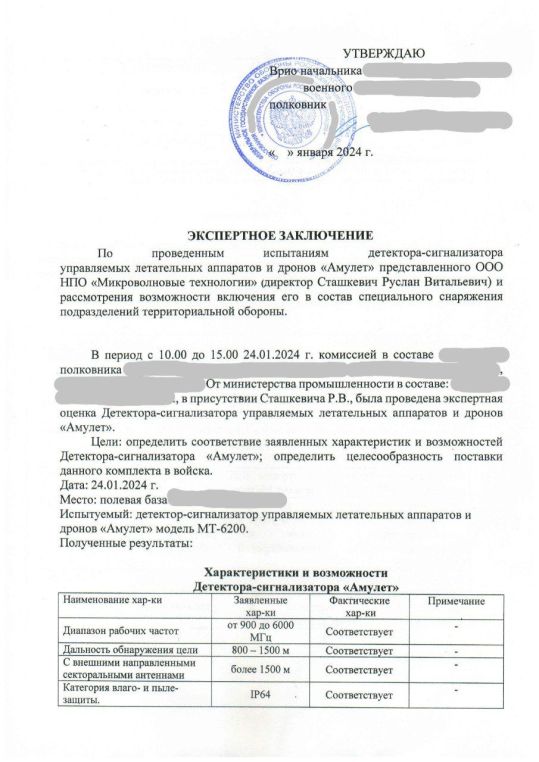
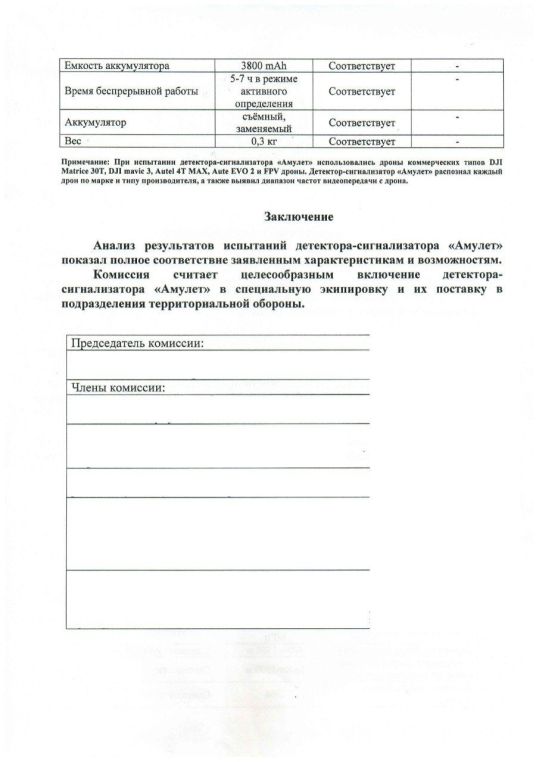
You can learn more about how to use the AMULET drone detector from the attached materials.
👉And yes, all equipment sets are in stock (warehouse in Novosibirsk / Moscow). Fast shipment!
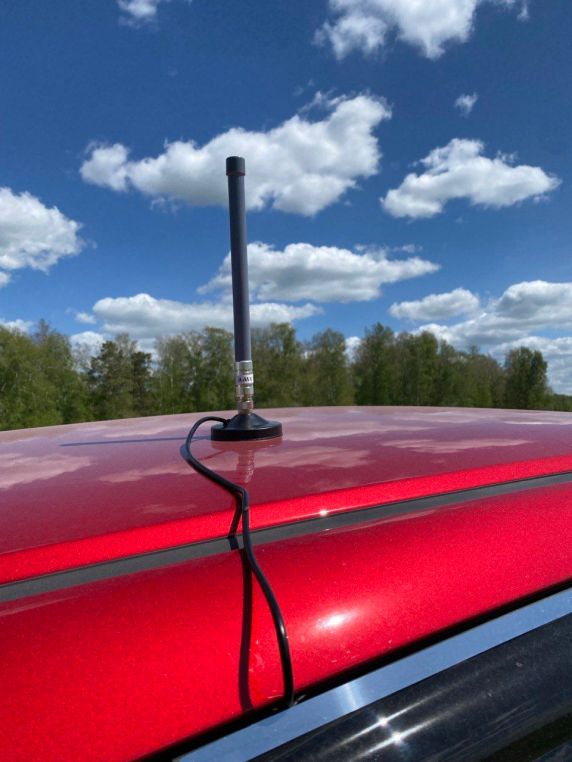
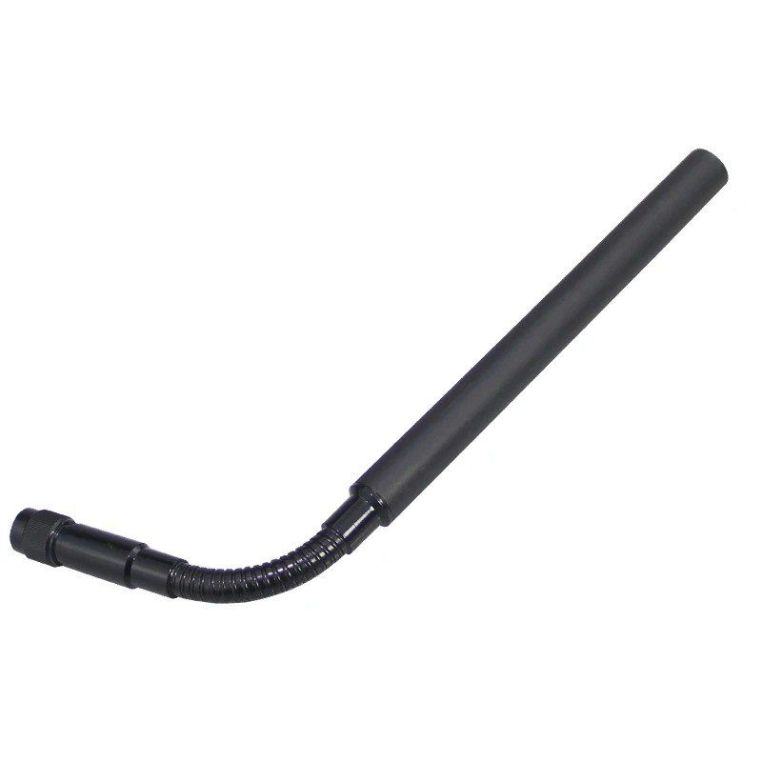
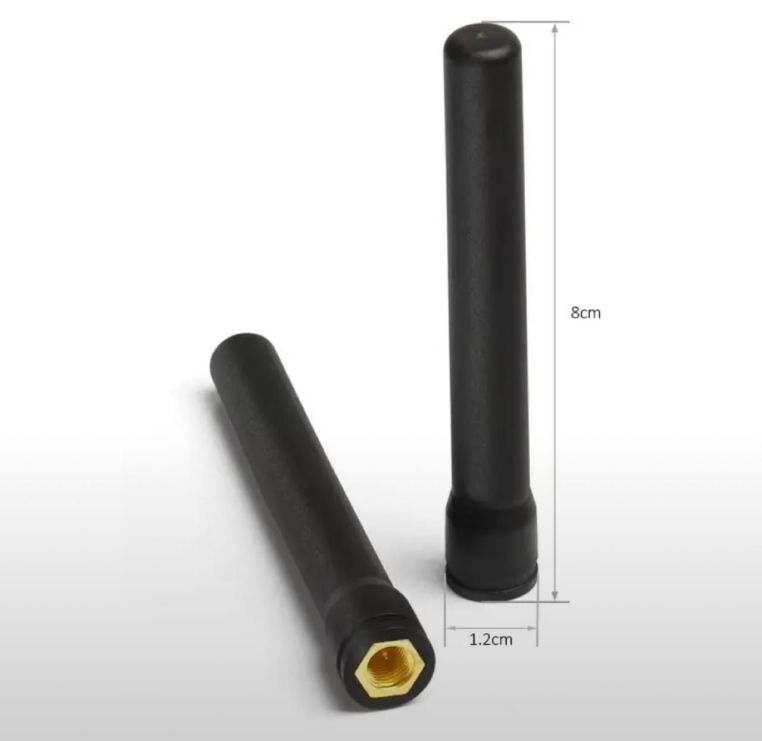
💯Any components are available for order (magnetic auto antennas, omnidirectional antennas, sectoral antennas, remote wires and much more).
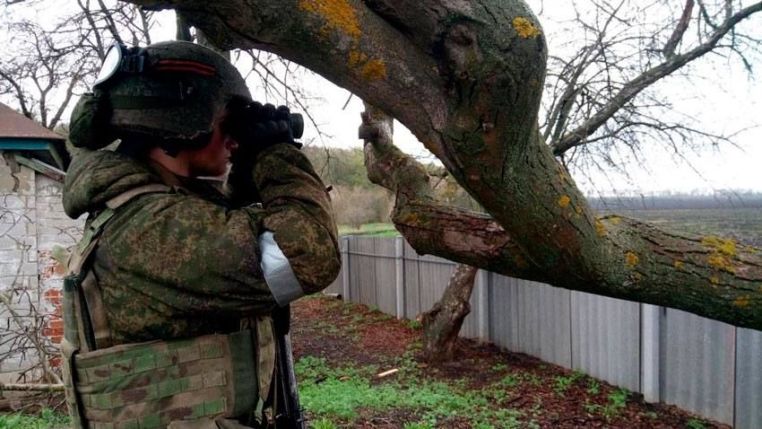
🔴 Airspace surveillance and detection of enemy UAVs .
In order to timely detect enemy UAVs, notify duty services and command of their appearance, as well as defeat enemy UAVs, a system of airspace observation posts must be organized. Such posts must be located secretly (using the properties of the terrain and standard means of camouflage) and have an all-round view of the airspace.
The organization of a system of airspace observation posts should provide for their location at a distance of up to 200-300 m from each other and at a distance of up to 400 m from the front line of defense, as well as in close proximity to important objects.
Also, one of the main requirements for the organization of such posts is the presence of hidden safe escape routes for the observers on duty.
Having detected an enemy UAV, the observer on duty determines its identity, position in space (in azimuth, landmarks, cardinal directions), direction of flight and reports to the commander of the combined fire group. At the same time, notification of the flights of their UAVs occurs in existing warning networks or through other communication channels.
For example: “The drone is above the ‘troika’ (landmark number or azimuth in protractor divisions). At us” or “UAV, southwest past us, at the enemy.”
To select an option for countering UAVs, it is necessary to identify the aircraft. This is how a report is produced in the (approximate) form: “UAV / direction / vertical angle to the object in degrees / approximate distance to the object in meters.”
For example: “UAV / southwest / 45 / 50”, which means that an enemy drone was detected in the southwest direction at an angle of 45° to the observer at a distance of approximately 70 m .
When an observer detects a UAV, based on the current warning signal, he independently makes a decision to open fire, in the presence of fire weapons, and notifies a specially designated fire group, as well as crews of electronic warfare equipment and anti-aircraft fire weapons.


You must be logged in to post a comment.